Kenyan Nutritionist Sparks Outrage with "Ugali Is Useless" Comment
The Debate Over Ugali and Nutrition
Nutritionist Issa Habib recently made headlines with his bold statements about healthy eating, particularly in a world where many foods are linked to serious lifestyle diseases. During an interview, he spoke at length about the importance of making informed dietary choices and highlighted the need for people to move away from less nutritious options.
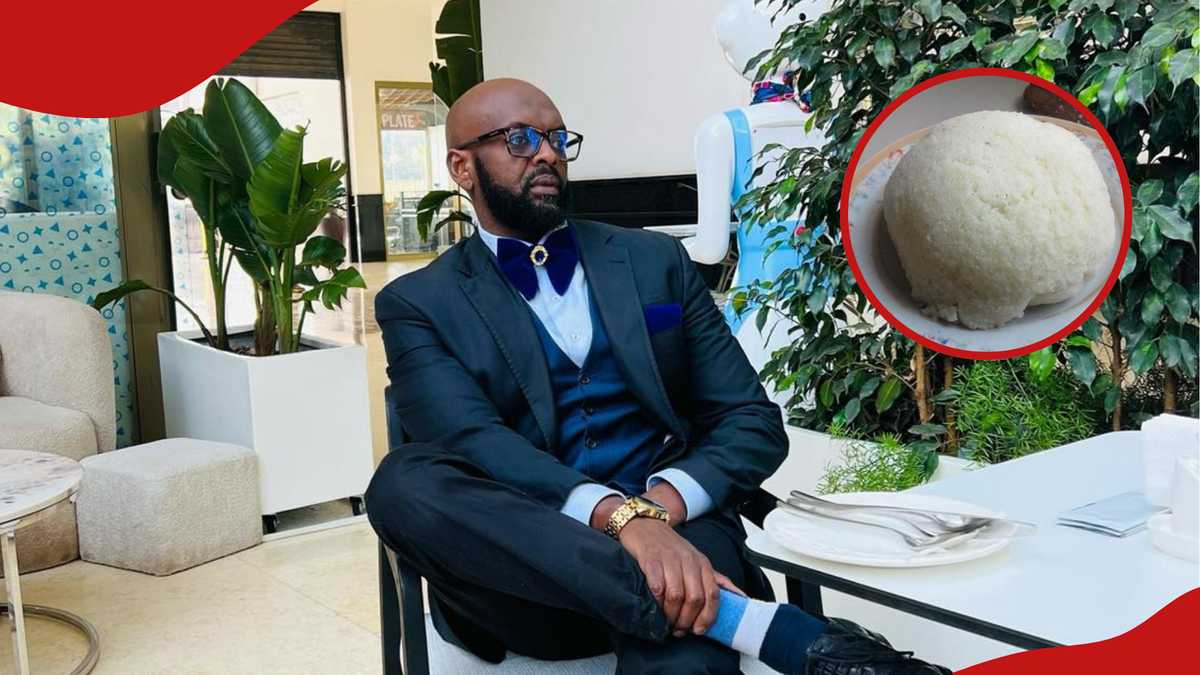
One of the most controversial points he raised was his criticism of ugali, a staple food in Kenya. He described it as one of the most useless meals one can consume, sparking a heated debate among Kenyans online. Many people took to social media to express their disapproval, while others questioned what Habib himself eats at home.
Habib emphasized that ugali, which is primarily made from maize, provides temporary fullness but little nutritional value. He argued that it does not contribute significantly to the body’s overall health or function. Instead, he encouraged people to focus on foods rich in protein, especially from animal sources.
Protein Sources and Health Advice
According to Habib, animal-based proteins are more bioavailable, meaning they are easier for the body to absorb. He listed dairy products, eggs, and red meat as some of the best protein sources. He also challenged the common belief that red meat should be avoided, stating that it is often misunderstood.
“Red meat is good, but it should always be consumed with fat,” he said. This advice contradicts recent trends that have discouraged the consumption of red meat due to concerns about heart disease and other health issues.
Habib also addressed the long-held belief that saturated fats are harmful. He argued that sugar, rather than saturated fats, is the real cause of many modern health complications. He suggested that eliminating sugar from one’s diet could lead to significant health improvements within a short period.
“Saturated fats are not the culprit here; it’s sugar. It’s inflammation caused by sugar. If you remove sugar from your diet, you will see a turnaround within a few weeks, you won’t even recognize yourself,” he explained.
Public Reaction and Cultural Sentiment
The nutritionist's comments generated a wide range of reactions from the public. Many Kenyans expressed their disappointment, arguing that ugali is a vital part of their culture and daily life. Others questioned whether Habib’s recommendations were practical for the average Kenyan.
Social media users shared their thoughts, with some expressing strong opinions about the issue. For example:
- @thee_darque wrote: “Hiyo ni ugali inakosewa heshima hivi?” (Is this how we treat our traditional food?)
- @i.a.m.o.d.h.i.a.m.b.o commented: “Bora wewe si Onyango ama Wafula maoni yako ya ugali wachana nayo.” (You’re not Onyango or Wafula, don’t speak like that about ugali.)
- @saadatfaruq said: “Wacheni hii maneno kabisa.” (These words are true.)
- @tjwise254 remarked: “Hii ndio maana sitaki kua na ddevu.” (This is why we don’t want to eat).
- @man_wamalwa added: “Sisi huwa tunakula kushiba. Diet tuwachie wazungu.” (We are used to eating, but we follow foreign diets.)
- @thee_tiggop said: “Unakosea ugali heshima. Let me call my fellow Luhyas.” (You disrespect ugali. Let me call my fellow Luhyas.)
- @thee_bold noted: “But he is very correct, it's not African, it's a Portuguese crop introduced in Africa and yet we made it our staple food.”
A Broader Conversation on Food and Culture
Habib’s remarks sparked a broader conversation about food, culture, and health. While his focus on nutrition is valid, the way he approached the topic raised questions about cultural sensitivity and the role of traditional foods in modern diets. His critique of ugali highlights the tension between scientific advice and cultural practices, a challenge that many nutritionists face when discussing dietary habits.
Ultimately, the debate reflects the complexity of nutrition in a globalized world, where traditional foods often clash with modern health trends. Whether or not one agrees with Habib’s views, his comments have certainly opened the door for a more nuanced discussion about what it means to eat well in today’s society.
Post a Comment