Wine Industry Struggles as Communal Dining Declines
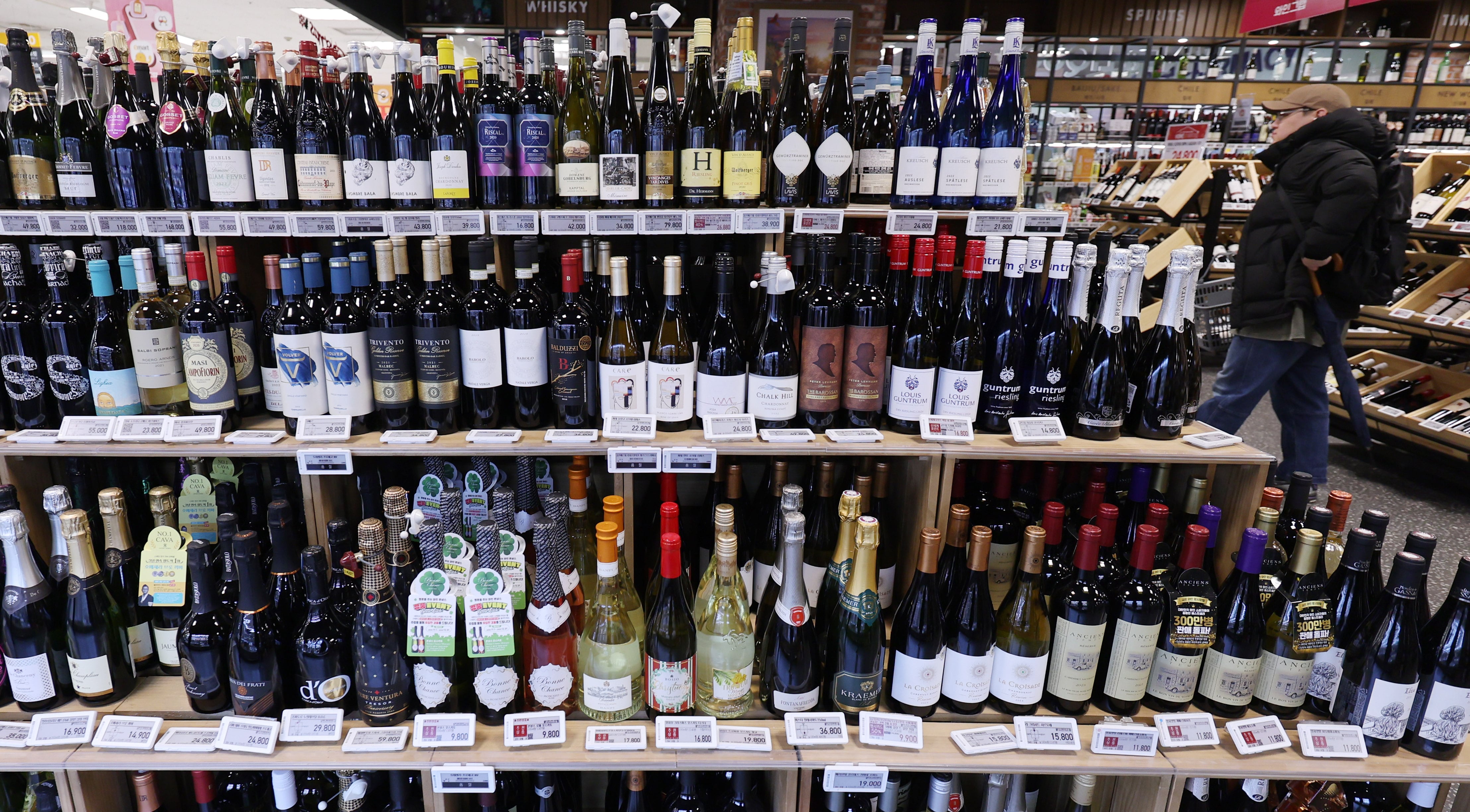
The Decline of Wine in Modern Society
Office worker Yoo Hye-won, 31, has never been a fan of wine. Instead, she prefers "chimaek" — fried chicken with beer — or tteokbokki paired with non-alcoholic beer when socializing with friends. She mentioned that even at work, when teams vote on after-work drinks, wine rarely wins. "Soju mixed with beer is always the favorite," she said. Additionally, she recalled that company dinners centered around wine often felt tedious, with long speeches from senior staff making the event less enjoyable.
A bartender in Utah, U.S., who goes by the name A, shared similar sentiments on Reddit. He explained that even the most expensive and high-quality beers are more affordable than entry-level wines. Moreover, he could buy multiple premium spirits for the price of a mid-tier bottle of wine. This economic factor played a role in his lack of interest in wine.
The wine industry, which dates back over 7,000 years, is now facing a significant decline. According to the International Organisation of Vine and Wine (OIV), global wine consumption reached approximately 21.5 billion liters in 2024 — the lowest level since 1961. Although there was a brief increase in 2021 during the pandemic, consumption has dropped by an average of 3% each year for three consecutive years starting in 2022. Experts predict that this trend continued into 2025, despite the lack of official statistics.
The Disappearing Culture of Shared Meals
While most alcoholic beverages have seen a slight decline in consumption since the pandemic, wine is experiencing a more severe downturn. According to IWSR, a liquor data company, global consumption of most types of alcohol has been gradually decreasing. However, wine is in a state of "structural decline," with sales falling across all price ranges. Low-priced wine sales are expected to drop by 2% annually, and even premium wines are growing at a slower pace compared to beer or distilled spirits.
This decline suggests that consumers are moving away from the traditional culture of slow, communal dining. Over the past decade, global wine consumption has fallen by 11%. The Economist analyzed that unlike beer, which is often associated with parties, or distilled spirits used for spontaneous drinking, wine is linked to small gatherings, meals, and conversations. As communal dining decreases, so does wine consumption.
Marion Demossier, a professor at the University of Southampton, noted that post-pandemic, younger generations are becoming more isolated. Participation in team sports has declined, while individual activities like running or cycling have increased. She described a growing sense of disconnection in society, with the way people live together beginning to collapse.
The Rise of the Sober Curious Movement
Another factor contributing to the decline in wine consumption is the emergence of the "Sober Curious" movement. This term refers to individuals who consciously avoid alcohol, often due to health-conscious lifestyles. Younger generations, who prioritize fitness and wellness, tend to steer clear of alcohol. Even if wine is inexpensive, buying a full bottle for just a few sips is seen as impractical.
Tariff Increases and Global Trade Challenges
The struggling wine industry also faces challenges from trade policies. The U.S. imposed a 15% tariff on EU imports, including European wines, last August. According to Liv-ex, a wine exchange, U.S. consumers’ purchases of premium wines dropped by about 44% by the end of November last year. Global wine trade volume, which exceeded 11 billion liters in the early 2020s, fell below 10 billion liters by 2024.
President Trump has used the situation to leverage diplomatic pressure. When France refused to join his proposed "Board of Peace" mediation body for the Gaza Strip conflict, he threatened to impose a 200% tariff on French wines and champagne. This move targets France, the largest wine exporter in the world.
Forbes pointed out that as consumers increasingly seek affordable options or prefer wines from trusted producers, a "dual market structure" is emerging. This makes it difficult for mid-priced wines to compete effectively in the current market.
Post a Comment