Why Fans Are Leaving Stadiums — And How to Win Them Back
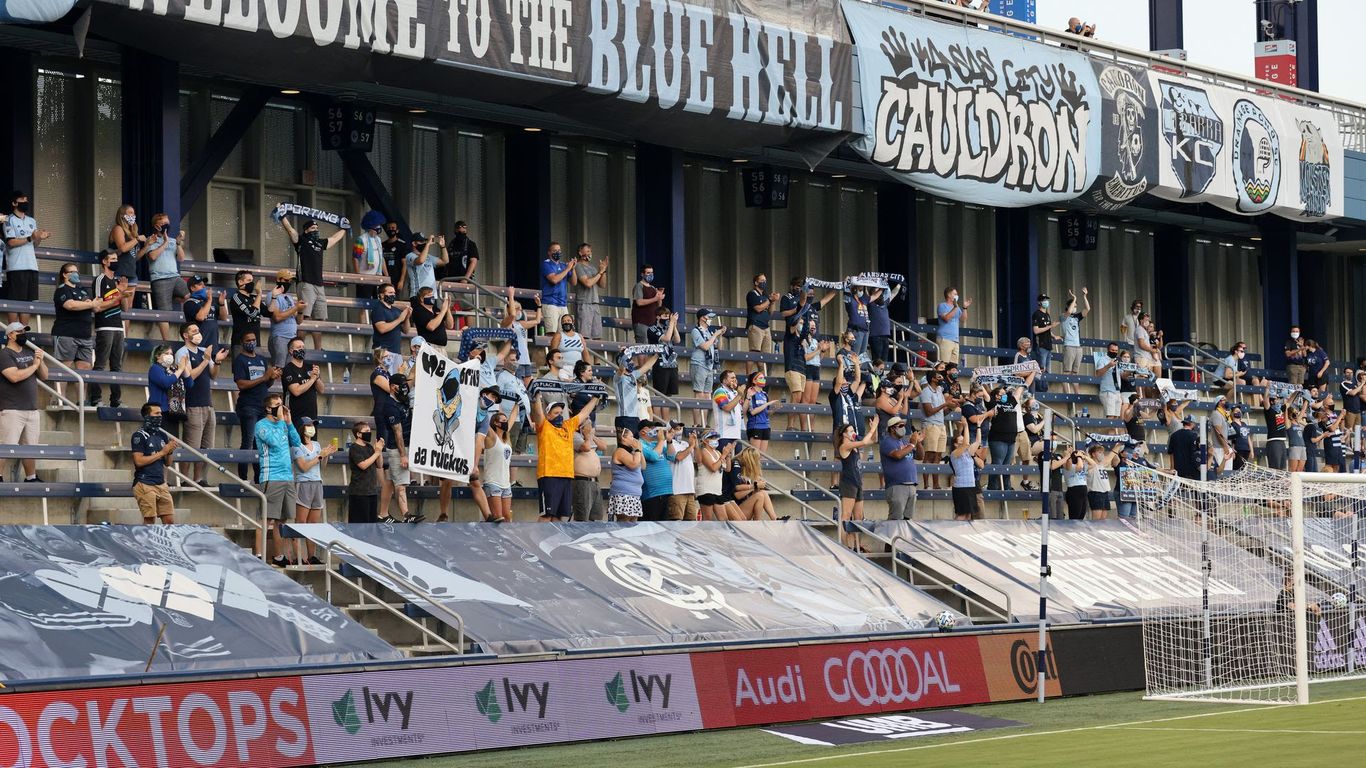
The Decline of Rwandan Football Fans: A Complex Challenge
Rwandan football fans are increasingly opting to stay away from local league matches, driven by a mix of economic, social, and experiential factors. The modern matchday experience is struggling under the weight of rising costs, such as transport and ticket prices, while the convenience of watching games from home has become more appealing. Additionally, there is a noticeable cultural shift in how younger fans consume football, with many preferring digital platforms over traditional stadium attendance.
At the same time, there is a growing perception that the standard of play in the national league has declined, leading to a loss of interest among supporters. Many fans now prefer watching European leagues like the English Premier League, where teams such as Arsenal, Manchester United, and Chelsea offer a faster and more entertaining product than what is currently available locally.
The decline in matchday attendance in the Rwanda Premier League (RPL) has become one of the most pressing challenges for local football. While the statistics are alarming—attendance this season has fallen by 58.5% compared to previous campaigns, and stadium revenues have dropped by over 64%—the underlying issues go beyond ticket prices or kick-off times. For many supporters, the core issue lies in the on-pitch product.
Fans want to be entertained. They seek intensity, creativity, goals, drama, and ambition from their teams. Although league administrators claim that competitiveness has improved, a significant portion of the fan base feels disconnected from what they see on matchdays. Slow tempo, lack of tactical identity, poor finishing, and inconsistency are frequently cited as reasons for staying away.
In an era where top European leagues can be streamed instantly on mobile phones, local football must offer a compelling reason for fans to attend matches. This responsibility falls heavily on the clubs themselves. Big teams such as Rayon Sports and APR FC, which have the largest followings in the country, play a crucial role in reversing the decline in attendance. When these clubs play attractive football, win consistently, and perform well in CAF competitions, fans respond in large numbers.
For smaller clubs, the challenge is greater but not impossible. Clear playing philosophies, investment in youth development, strong community engagement, and a well-defined identity can help build loyal followings even without regular success. Fans want to feel represented—knowing that their club reflects their neighborhood, values, and sense of pride.
Beyond the quality of football, the matchday experience itself remains a major deterrent. Poor stadium facilities, limited food and beverage options, and a lack of pre- and post-match entertainment all contribute to the perception that attending games is more of a burden than a pleasure. Improving infrastructure, crowd management, and fan services is therefore not a luxury for the RPL—it is a necessity.
Modernizing how the league presents and markets its product is also essential. A weak digital presence, limited broadcast reach, and persistent negative perceptions have allowed the league to fade from everyday public conversation. In today’s football economy, visibility is everything. Fans need to constantly see, hear, and engage with the league across radio, television, and social media platforms.
The media plays a key role in this process. However, cooperation cannot be one-sided. Media houses are businesses too, and sustainable partnerships must be built on shared value. Fair broadcasting rights agreements, improved content access, and revenue-sharing models can ensure the league receives adequate coverage while media platforms remain commercially viable.
Sponsors and corporate partners also have a role to play by supporting fan-focused initiatives, promotions, and community programs that make matchdays more attractive and affordable. Football thrives when it feels inclusive.
Ultimately, fans are not merely spectators; they are active participants. Their presence energizes players, intimidates opponents, and can turn ordinary teams into formidable forces. Empty stands drain life from the pitch. Full stadiums inject belief, urgency, and pride.
This is why the concept of home and away advantage exists. Players perform better when they feel supported, and teams fight harder when they know thousands are behind them. Unfortunately, most Rwandan clubs do not own their own stadiums, which contributes to a lack of identity. It is difficult to imagine a meaningful and successful future without a strong sense of self.
Local clubs must engage in honest self-reflection. They need to define their identity if they are to grow into serious football institutions worthy of their names and attractive to potential sponsors. Rwandans love football—this has never been in doubt. What supporters are asking for is simple: better football, better experiences, and a league that respects their passion.
Bringing fans back into stadiums will not be achieved through slogans or surveys alone. It will require accountability from clubs, innovation from the league, commitment from the media, and investment from sponsors. If all stakeholders play their part, the reward will be more than full stands. It will be a stronger, more vibrant Rwanda Premier League.
If the RPL fails to raise its standards to meet supporters’ expectations, fans already have an alternative—the English Premier League.
Post a Comment