Top 10 Reasons to Relocate to the Algarve: Affordability, Safety, and Lifestyle
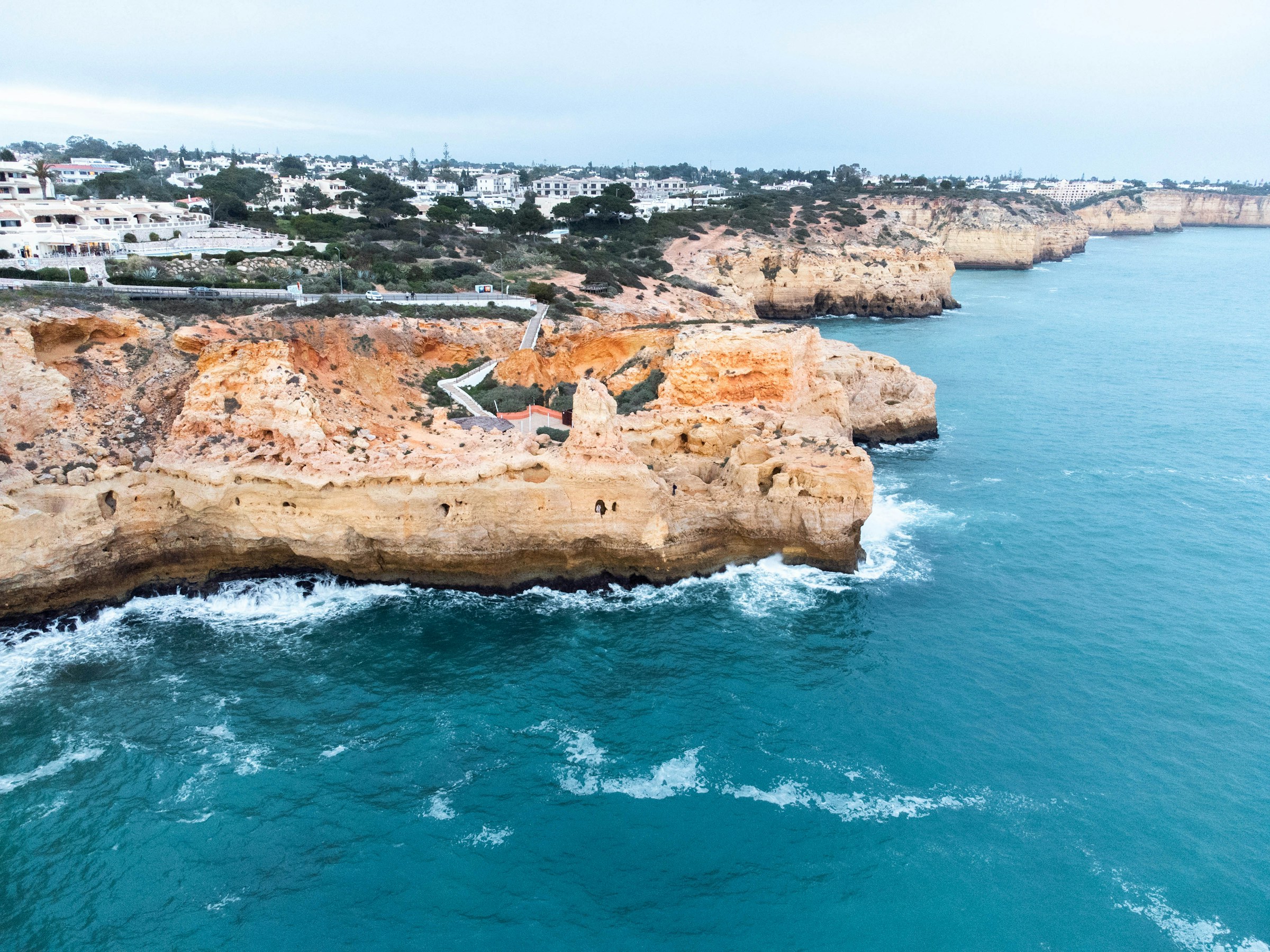
Why the Algarve is a Top Choice for Relocating
The Algarve region in Portugal continues to be a popular destination for those looking to move to a coastal area. Its appeal lies in a combination of natural beauty, a relaxed lifestyle, and practical amenities that make it an attractive option for people from various backgrounds. From long, sunny days along the Atlantic coast to a slower pace of life, the Algarve offers a unique blend of comfort and charm.
Established Expat Community
One of the key factors that make the Algarve appealing is its well-established expat community. Towns such as Lagos, Albufeira, Portimão, Vilamoura, and areas around Faro have become hubs for international residents. People from the UK, Germany, the Netherlands, Ireland, Scandinavia, and increasingly from the US and Canada, have made the Algarve their home. This diversity fosters a sense of belonging and support through social clubs, hobby groups, business networks, and language exchanges. English is widely spoken, making the transition smoother for newcomers while they learn Portuguese.
Favorable Climate
The Algarve's climate is one of its most significant attractions. With over 300 days of sunshine annually, the region enjoys dry summers and mild winters. Average winter temperatures hover around 15°C, rising to about 30°C during the summer months. Even in winter, the weather remains pleasant, with daytime highs ranging from 16–17°C and nighttime lows of 10–11°C. The region receives approximately 5–6 hours of sunlight daily in winter, compared to around 11 hours in summer, ensuring a comfortable living environment throughout the year.
Accessible Healthcare
Residents of the Algarve can access Portugal’s national health service (SNS), which includes public hospitals and local health centers. While public healthcare is generally affordable and of good quality, waiting times can vary depending on the area and specialty. Many expats opt for private health insurance to ensure quicker access to medical care. The region also boasts a growing private healthcare network, making it a reliable choice for those planning to retire or relocate with families.
Diverse Entertainment Options
Beyond its beaches and golf courses, the Algarve offers a variety of entertainment options. Visitors can explore the Old Town in Lagos, climb up to the castle in Silves, take a boat trip to the Benagil caves, or enjoy the cooler air and walking trails in the Monchique hills. Marinas like Vilamoura and Portimão feature bars and restaurants, while open-air markets sell local produce. Throughout the year, the region hosts food, wine, and music events, ensuring there is always something to do. Evening activities include theaters, cinemas, live music venues, and late-night spots in larger coastal towns.
Safe Environment
Portugal is consistently ranked among the safest countries in the world, and the Algarve is no exception. Crime rates are relatively low, and there is a visible police presence in resort areas, especially during the summer. Many beaches meet strict safety standards, with lifeguards on duty during peak seasons. The region also has decent infrastructure and reliable emergency services, making it an ideal place for families or individuals seeking a secure environment.
Residency Considerations
Moving to the Algarve depends on your nationality and personal circumstances. EU/EEA/Swiss citizens can live and work in Portugal with relative ease, following a straightforward registration process upon arrival. Non-EU citizens typically require a visa or residence permit, depending on their purpose—such as work, family reunification, study, retirement, or remote work. Portugal has undergone several changes to its immigration and tax regimes in recent years, including revisions to schemes like the Golden Visa, D7 visa, and the Non-Habitual Resident (NHR) regime. It is advisable to check the latest information from official sources before making any decisions.
Cost of Living
The cost of living in the Algarve is generally lower than in many parts of Northern and Western Europe, though it has risen in recent years, particularly in popular coastal areas. Everyday expenses such as groceries, public transport, and coffee are reasonably priced compared to cities like London, Dublin, or Munich. However, housing and dining out tend to be more expensive. Inland towns and residential areas often offer better value, allowing for a more budget-friendly lifestyle.
Family-Friendly Environment
For families, the Algarve provides a welcoming environment with plenty of outdoor spaces, gentle waves on some beaches, and a slower pace of life. Schools in areas like Faro, Loulé, and Tavira offer a mix of public, private, and international options, catering to different curricula and language needs. The region also features water parks, zoos, surf schools, sailing clubs, and sports facilities, ensuring children have plenty of activities to enjoy. Healthcare for children is accessible through both public and private providers, and many expat parents find the region safe and manageable compared to larger cities.
Rich Culture and History
The Algarve is not just about beaches and relaxation—it has a deep cultural and historical heritage. Coastal towns retain traces of Roman, Moorish, and maritime influences in their architecture, churches, and museums. Inland villages like Alte offer a glimpse into traditional Portuguese life with whitewashed houses, stone fountains, and cafés. Local festivals, wine events, medieval markets, and religious processions add to the vibrant cultural scene. Food plays a central role in daily life, with dishes like grilled sardines, cataplana, pastel de nata, and regional sweets made from almonds and figs.
Real Estate Opportunities
Property in the Algarve is no longer considered "cheap," but it still offers good value compared to other European coastal regions. As of December 2025, average property prices in the Algarve were around €3,870 per m², with rental prices at approximately €15.1 per m². Prices vary significantly by location, with prime resort zones such as Quinta do Lago, Vale do Lobo, and central Vilamoura commanding higher prices. In contrast, more residential or inland areas provide more space for the same budget. Properties range from apartments and townhouses to detached villas and rural homes, offering a variety of options to suit different lifestyles and renovation preferences.
Post a Comment