Surviving Abuse Through Self-Defence Classes
A Journey of Healing and Empowerment
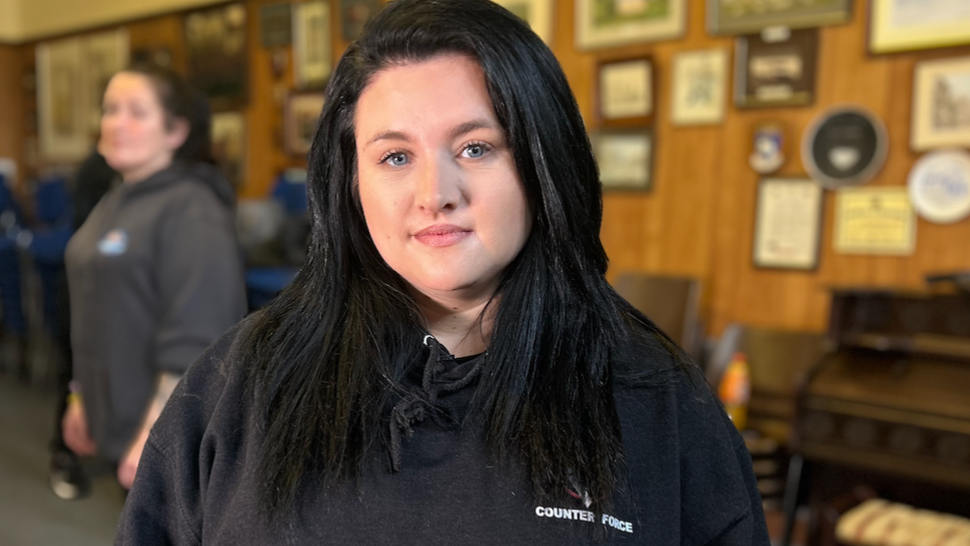
Emma Lewis has faced a lifelong battle with self-esteem, stemming from abuse and coercive control that began in her early years. After years of feeling anxious about everything, she decided to take action last June by joining a class run by Counter Force, an organization dedicated to supporting survivors of abuse through activities like martial arts and self-defence training. This decision marked a turning point for Emma, who now feels she has been given a new start. She aspires to become a self-defence instructor herself, driven by the desire to help others in the same way she was helped.
"I've learned that not everyone is going to hurt me," Emma shared. "This awareness has brought me comfort in my daily life." The sessions have had a profound impact on both her physical and mental well-being. She explained that while she still deals with flashbacks from her past, the tools she has gained have allowed her to be more aware of her surroundings and transform her pain into strength. "It's helped me take a breather in my everyday life," she added. Emma wants to be the person she didn't have when she was recovering from her experiences.
Carl Fitzpatrick, another survivor of abuse, founded Counter Force as a community-led initiative to support individuals who have gone through similar challenges. He leads the classes at a community hub in Hopkinstown, Rhondda Cynon Taf, where the demand for these programs is growing rapidly. Carl described the classes as unorthodox, emphasizing that the teaching methods are varied and include education for the mind and safety. "We also focus on keeping people safe," he said.
Participants in the classes often find them enjoyable, which Carl believes is crucial when addressing issues like abuse. "There are different ways to train people," he noted. "It's a lot of fun and a lot of laughter; we don't take things too seriously."
The social aspect of Counter Force is just as valuable as the physical training, according to participants. Scott Richards, 37, from Pontypridd, credits Carl with changing his life. "I don't know what path I'd be on today if I hadn't met my hero, Carl," Scott said. He struggled with alcoholism for many years but is now a year and two months sober. Scott admitted that he once dealt with anxiety during his recovery. "It's just little things to keep you focused, rather than going to the pub every day," he explained. When he first joined the class, he didn't expect to be dressing up, but he found it to be a fun experience. "I've even started buying my own masks and banana outfits to bring to the sessions—it's great."
Johanna Robinson, Wales' national advisor on violence against women, highlighted the importance of improving access to services for victims. "We need to improve services across the board so there are safe and complete spaces for people to seek support," she said. She emphasized that the number of people affected by such issues is often underestimated. "We hear on the news all the time that it's an epidemic. We totally underestimate the number of people who experience this."
Robinson also praised the potential benefits of self-defence classes. "It's really important that we have spaces where people are able to claim back their power," she added. The Welsh government has taken steps to support victims and survivors, providing over £2 million in additional funding, totaling more than £12 million, to offer support and advice across Wales.
For those seeking information or support related to the issues discussed, contact the Karir DigitalAction Line.
Post a Comment