Smaller Sizes, Same High Prices: Grocery Trends Revealed
The Hidden Inflation: How Food Manufacturers Are Reducing Product Sizes
In recent years, consumers have noticed that the products they once bought for a certain price now seem smaller or less substantial. This phenomenon, known as "shrinkflation," is becoming increasingly common across various food and household items. As production costs rise, manufacturers are finding clever ways to maintain their profit margins without directly increasing prices. Instead, they subtly reduce the volume or weight of their products while keeping the pricing the same.
This practice is not illegal, as long as the updated product size is clearly mentioned on the packaging, even if it’s in small print. However, the impact on consumers can be significant, especially when these changes go unnoticed. Here are some of the most affected items:
1. Candy
Chocolate and candy bars have not been spared from shrinkflation. Many brands use the excuse of updating recipes or improving texture to justify reducing the size of their products. Some have cut the weight by up to 10% or more, yet the price remains unchanged. This means consumers are paying the same amount for less product, often without realizing it.
2. Cereal Bars
Cereal bars have become a prime example of this trend. Brands are quietly reducing the weight of their bars—sometimes by just a few grams—but the price stays the same. This leads to a higher cost per unit, making the product less valuable than before. Despite maintaining their "healthy" image, these bars offer less content for the same price.
3. Bread
Bread has also fallen victim to shrinkflation. Many loaves and sliced bread have become smaller, with thinner slices that make it harder to prepare sandwiches. While the price hasn’t changed, the practicality and generosity of the product have decreased significantly.
4. Canned Fish
Canned fish, such as tuna, has seen a noticeable reduction in portion size. Previously, cans often contained 200g of fish, but today, the standard is around 150g or less. Consumers still pay the same price, meaning they have to buy more cans to get the same amount of food.
5. Canned Soup
Canned soup has also experienced a reduction in volume. Several brands have decreased the size of their cans by about 5%, without adjusting the price. This makes the soup less filling and less appealing, particularly for those on a tight budget.
6. Salad Dressing
Salad dressing bottles have also been affected. Some brands have reduced the size by about 11% while keeping the price the same. Additionally, the texture of the dressing has sometimes become more diluted, leading to a perceived drop in quality.
7. Coffee
Coffee bags have seen a significant reduction in size. Major brands have replaced 1.5kg bags with 1.2kg ones, and high-end coffee has also been affected, with 500g bags now being 350g or even 300g. This means consumers are paying the same for fewer beans, which increases the cost per cup.
8. Soda
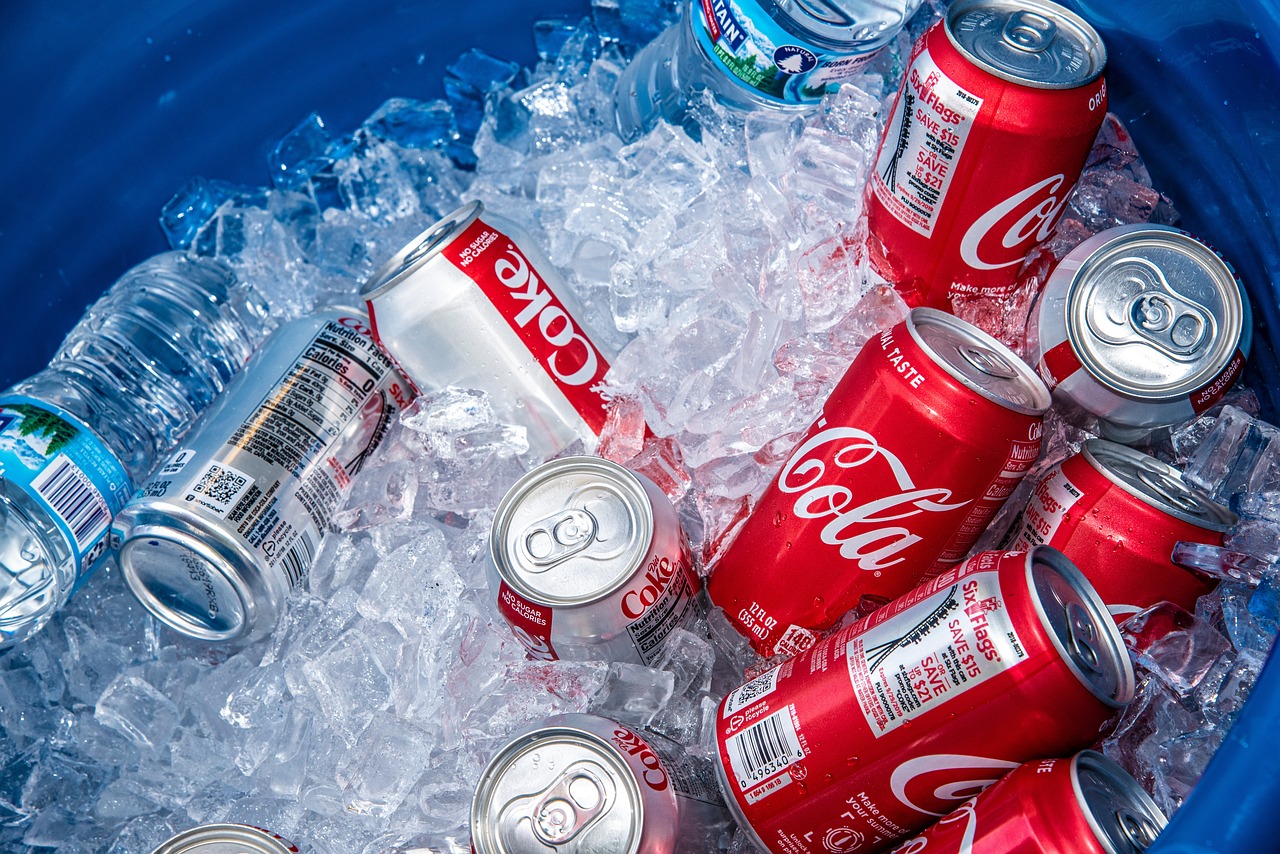
Soda bottles have adopted a slimmer design, which often hides a reduction in capacity. For example, Coca-Cola has gone from 650g to 500g, a reduction of about 15%, without lowering the price. Consumers believe they are getting the same product, but in reality, they are paying more for less.
9. Packaged Cookies
Packaged cookies have also suffered from shrinkflation. The number of cookies in a package has decreased, and there is more space between them. Some brands have reduced the size of their packages by about 20%, all while keeping the price the same. This results in fewer cookies for the same amount of money.
10. Toilet Paper
Household products like toilet paper have also been impacted. Manufacturers have discreetly reduced the number of sheets per roll, often by about 100, while keeping the packaging identical. This means the rolls run out faster, leading to more frequent purchases and increased long-term costs.
These examples illustrate how shrinkflation is subtly affecting everyday purchases. While the changes may seem minor at first glance, they add up over time, ultimately increasing the real cost for consumers. It's a quiet but persistent form of inflation that is reshaping the way we shop and spend.
Post a Comment