Scotland Benefit Recipients Get £56k-Worker-Level Pay, Tories Claim
The Debate Over Scotland’s Welfare System
The Scottish welfare system has become a focal point of political debate, with the Scottish Conservatives criticizing what they describe as an unsustainable and overly generous benefits structure. According to the party, individuals receiving welfare payments in Scotland are taking home the same amount as someone earning £56,000 annually after tax deductions. This claim has sparked significant discussion about the financial implications of the current system and its impact on employment incentives.
Conservative Pledge to Curb Welfare Spending
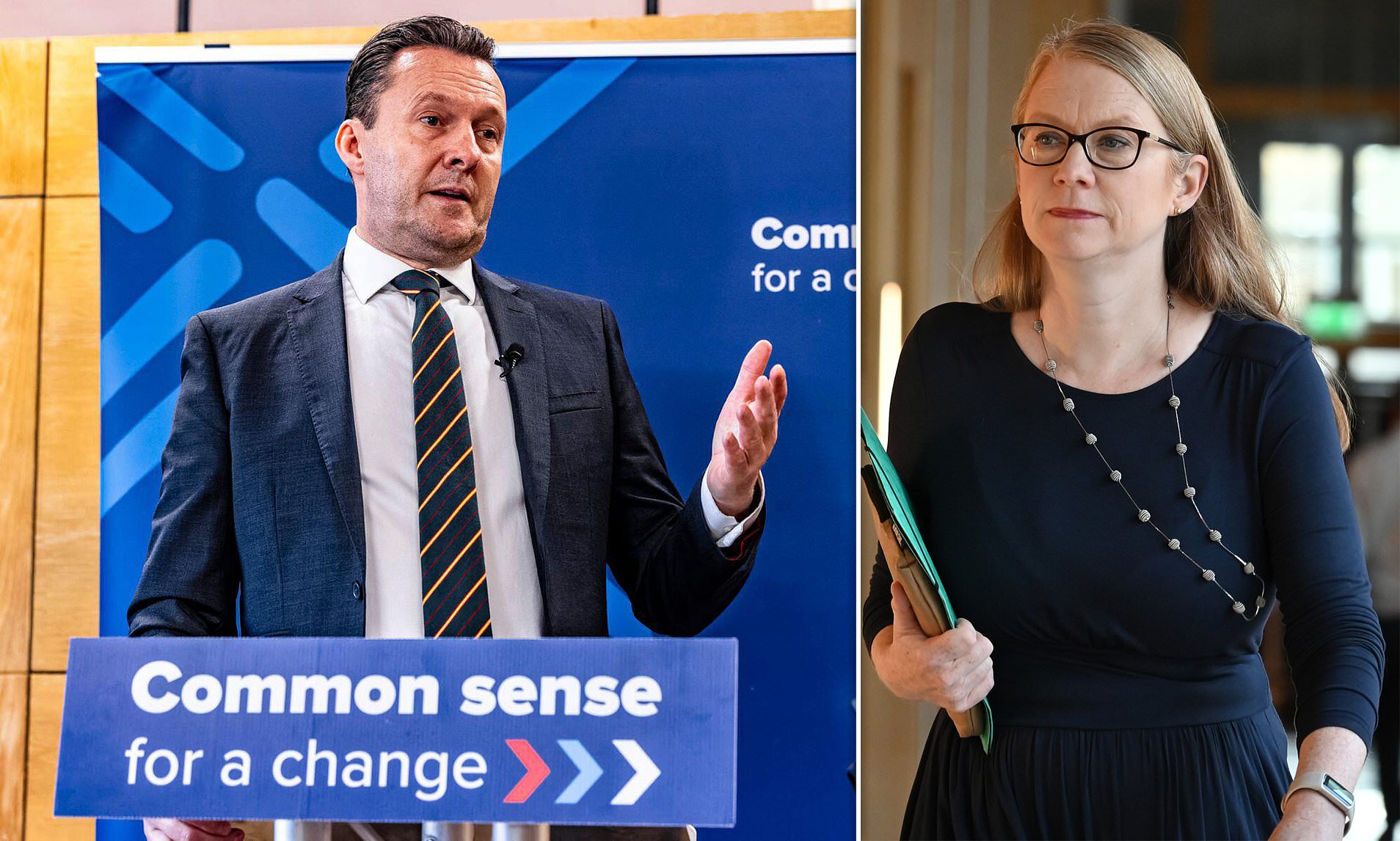
In their election manifesto, the Scottish Conservatives have pledged to reduce the welfare bill by £1 billion. Their leader, Russell Findlay, argues that the current benefits system under the SNP has "spiralled out of control." He points to data showing that a parent with three children could receive nearly £42,000 per year through various welfare programs. To match this income, an individual would need to earn £56,000, which only 15% of Scots currently make.
Findlay claims that the SNP's approach is encouraging parents to work fewer hours or even leave the workforce entirely. He cites an example where a worker asked their employer not to give them a raise because it would result in a £300 monthly loss in benefits. This highlights concerns about how welfare support can inadvertently discourage people from seeking higher-paying jobs.
Proposed Changes to Benefits
Under the Tories’ plans, the SNP’s weekly benefit payment of £27.15 for children would be limited to the first two children in a family. Currently, there is no cap, and research indicates that one in eight recipients have reduced their working hours or stopped working altogether. Findlay argues that this measure is necessary to ensure that benefits remain a safety net rather than a lifestyle choice.
He emphasizes that hardworking individuals who struggle financially should not be worse off due to reliance on benefits. The party also warns that the cost of the Scottish Child Payment is set to exceed £500 million in the coming years, prompting calls for a more sustainable approach.
SNP’s Response to Tory Proposals
The SNP has strongly criticized the Conservatives' proposals, calling them "cruel" and "arbitrary." Social Justice Secretary Shirley-Anne Somerville argues that limiting benefits to the first two children would push families into poverty and negatively affect future generations. She highlights that the Scottish Child Payment supports approximately 322,000 children and helps keep around 40,000 out of poverty each year.
Somerville defends the welfare system as a vital investment in people and a fundamental human right. She stresses the SNP's commitment to maintaining and expanding support for families, including a proposed premium top-up for eligible parents with children under one. This initiative aims to assist about 12,000 children while delivering the strongest cost-of-living package in the UK.
Broader Implications of the Debate
The gap between the SNP's welfare spending and that of the UK Government is expected to widen significantly. By 2023, the Scottish Government's social security spending is projected to increase by nearly 25% to £9.2 billion. The Conservatives argue that this level of expenditure is unaffordable and unfair, noting that around £1 in every £7 spent by the SNP goes toward benefits.
In addition to capping the Scottish Child Payment, the Tories plan to introduce new assessments for those claiming benefits based on mental health grounds. They believe these changes could save taxpayers £1 billion. The party also intends to end "light-touch reviews" of benefit recipients, requiring some claimants to undergo face-to-face assessments to prove they still meet eligibility criteria.
Conclusion
The debate over Scotland’s welfare system reflects deeper disagreements about the role of government in supporting citizens. While the Conservatives advocate for stricter controls to ensure affordability and encourage work, the SNP emphasizes the importance of maintaining robust support for vulnerable families. As the political landscape continues to evolve, the outcome of this debate will have far-reaching consequences for both families and the broader economy.
Post a Comment