Rising Costs Challenge International Students in Australia
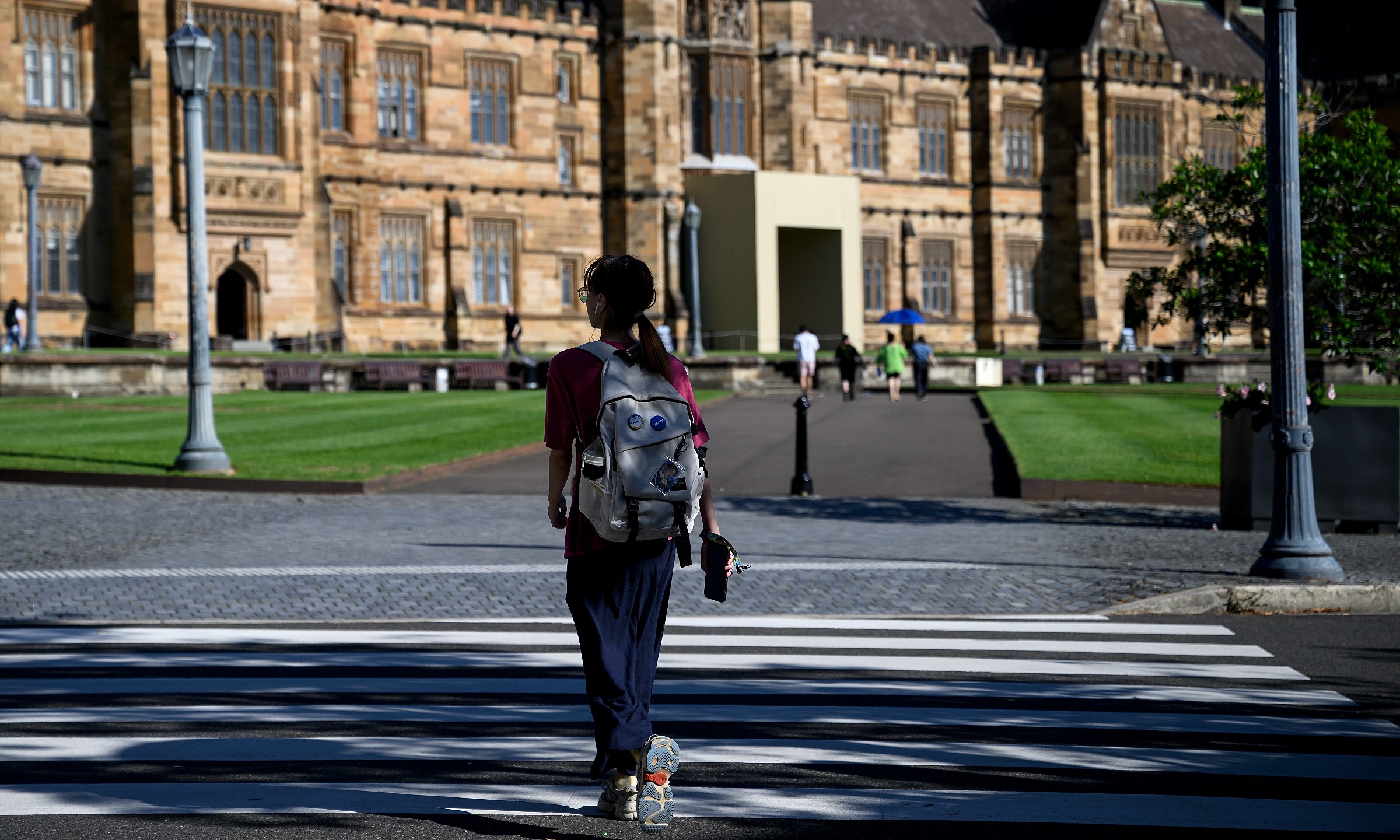
Financial Struggles of International Students in Australia
International students in Australia are facing significant challenges as they try to balance their academic responsibilities with part-time work to manage rising living costs. Many are struggling with the high expenses of food, housing, and tuition fees, which have become a major source of stress.
At the Australian National University in Canberra, an international student from China shared her experience of being overwhelmed by the cost of food. She mentioned that she initially relied on instant noodles and fast food until she found employment. To support herself financially, she took on jobs, working up to the maximum 48 hours per fortnight allowed under Australia’s student visa rules. However, this balance between work and study soon became too much, leading to intense stress and sleepless nights.
This situation is not unique. According to the 2024 State of Student Healthcare Report by Allianz Partners Australia, 30.7% of international students regularly skip meals due to grocery costs, and nearly one in four cannot afford fresh fruits and vegetables. Housing insecurity has also become a growing issue. Sean Stimson, a senior solicitor at the Redfern Legal Centre’s International Student Legal Service, noted that homelessness among international students has increased over the past 18 months due to rising rent prices.
Erin Longbottom, a nurse unit manager at St Vincent’s Hospital in Sydney, described international students as the "hidden face of homelessness." Research published by the Student Accommodation Council in 2024 highlighted that international students face disadvantages in the private rental market. They often lack previous rental history and may not have income statements when applying for leases, making it difficult to secure affordable housing.
Although students must demonstrate access to A$30,000 (US$20,700) to obtain a visa, these funds can be quickly depleted by rising living costs. The financial strain extends beyond housing and food, as tuition fees for international students have also been increasing at a rate faster than inflation. Dr. Abul Rizvi, an immigration expert, pointed out that higher-tier universities and extensive courses like medicine are particularly expensive.
More than 583 courses charge international students over $250,000, with 445 of those offered by Group of Eight universities. In some cases, the total cost of a degree can exceed A$850,000. These students pay up to eight times more in fees than their domestic counterparts, according to government data obtained by the International Students Representative Council of Australia.
Ariye Sunilkumar Monee, an international student from India pursuing a master’s degree in professional electrical engineering at the University of Sydney, relies on an education loan to cover the costs. She emphasized that she does not want to burden her parents financially.
Impact of Financial Stress on Students
The Allianz report revealed that more than 61% of surveyed international students said daily expenses were higher than anticipated, with accommodation costs being the most underestimated. Healthcare, dining out, travel home, and groceries also contributed to financial strain. Only 18.2% felt financially secure, while 40.2% experienced financial stress or hardship, relying on credit, family support, or welfare organizations to cope. Some 28.1% considered dropping out due to financial pressure.
Alan Morris, a professor at the University of Technology Sydney, highlighted the immense stress and anxiety faced by international students. He noted that many prioritize survival over their studies, which can negatively impact their academic performance.
Potential Solutions and Adaptations
While Australia's relatively generous work rules for international students are often seen as an advantage, experts caution that increasing work hour limits may not solve the underlying financial issues. Phil Honeywood, CEO of the International Education Association of Australia, warned that this could compromise academic results. Morris added that students juggling multiple jobs often experience a decline in their academic performance.
Instead, Morris suggested looking at Canada’s innovative housing model, where international students are paired with older residents in exchange for cheaper rents. This arrangement involves students helping with household tasks, creating a win-win situation for both parties.
Many international students are also adapting on their own to manage rising costs. Queenie Kwan Yee Siu, a researcher at the Australian National University, noted that students are using the financial squeeze as an opportunity to develop practical skills, such as cooking or driving, to save money.
Despite the hardships, many students still view studying in Australia as worthwhile. Sunilkumar Monee acknowledged the high cost but believed the experience was ultimately worth it.
Post a Comment