Oxford Abandons Admissions Tests for Classics and Languages
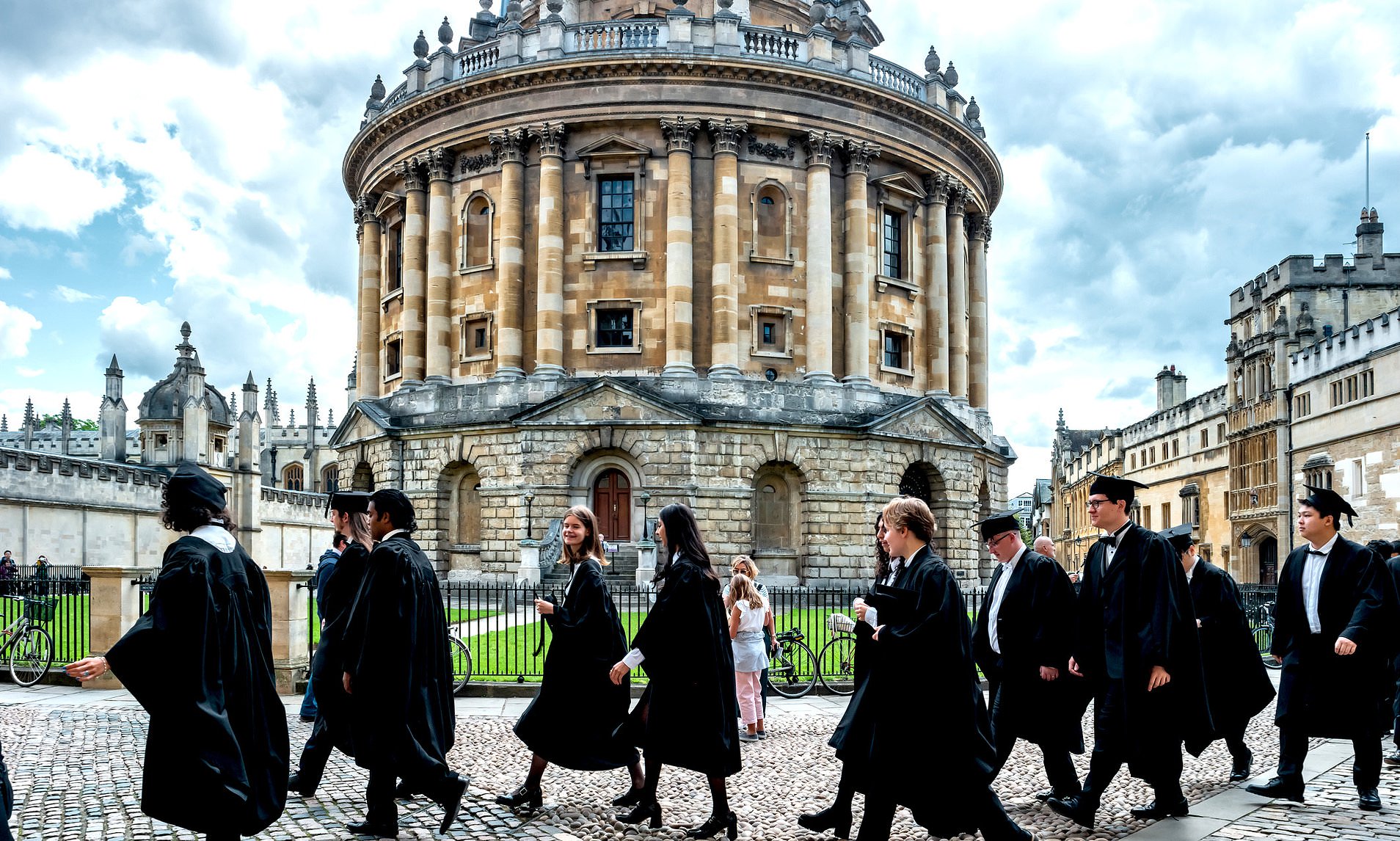
Major Changes in Oxford Admissions Process
Oxford University has announced significant changes to its admissions process, removing in-house entrance tests for several subjects. This move affects courses such as Classics, Philosophy, and all language programs. The decision marks a major shift in how the university evaluates potential students.
Under this new policy, a number of Oxford’s internal admissions tests will be phased out without replacement. For example, the Archaeology and Ancient History course will no longer require an entrance test. Additionally, the History Aptitude Test (HAT) was discontinued in 2025, and the English Literature Admissions Test (ELAT) was removed in 2024. These changes are set to take effect for applicants entering in 2027.
The university claims that these adjustments aim to streamline the admissions process. Instead of using its own bespoke exams, 16 courses—including Mathematics, Physics, and Politics, Philosophy and Economics (PPE)—will now use generic tests administered by Pearson. These tests are also used by other top universities, making it easier for students to apply to multiple institutions with a single exam.
Despite the removal of entrance tests, Oxford insists that the selection process remains rigorous. Interviews will continue to play a central role in assessing candidates. However, some critics argue that the old exams were valuable in identifying students who were best suited for specific courses.
Professor Anthony Glees, a security expert at Buckingham University and an Oxford alumnus, expressed concerns about the decision. He stated that the changes could lead to students enrolling in courses for which they lack aptitude, resulting in costly mistakes. He also warned that discarding established benchmarks might undermine Oxford’s reputation as a center of academic excellence.
The in-house tests being eliminated include the Classics Admissions Test (CAT), the Philosophy Test (PhilAT), the Modern Languages Admissions Test (MLAT), and the Ancient History and Classical Archaeology Admissions Test (AHCAAT). These tests were known for their subject-specific questions, which often favored students with prior exposure to the subject.
Addressing Accessibility Concerns
The decision to remove these tests comes amid growing concerns about accessibility in higher education. Many state schools lack the resources to provide extensive preparation for less popular subjects like Classics, Philosophy, and languages. As a result, privately-educated students have dominated these courses, making up 57% of the intake despite only accounting for 44% of the university’s population.
Evelyn Pike, a specialist in Oxbridge applications, noted that the old tests sometimes gave an advantage to students from well-resourced backgrounds through rote learning. However, she emphasized that the removal of these tests does not necessarily make it easier to gain admission to Oxford. Interviews remain a crucial component of the process, and they have become increasingly complex in recent years.
Pike also suggested that Oxford may be seeking more “raw talent” from a broader pool of applicants while trying to prevent students from relying on AI during the admissions process. The interviews, which often involve unseen text interpretation and response, are seen as a way to assess independent thinking and engagement with new ideas.
New Exam System
To support the transition, Oxford is adopting a new exam system provided by UAT-UK, a partnership between Cambridge University and Imperial College. The three tests used are the Engineering and Science Admission Test (ESAT), the Test of Academic Reasoning for Admissions (TARA), and the Test of Mathematics for University Admission (TMUA).
This shift aims to simplify the application process for students, allowing them to sit for one exam that can be used across multiple top universities. An Oxford spokesperson confirmed that the university’s admissions process remains rigorous and focused on identifying academic potential. They highlighted that interviews continue to play a key role in evaluating candidates’ ability to think independently and engage with new ideas.
Every year, Oxford conducts over 20,000 interviews for approximately 10,000 applicants. These interviews allow tutors to assess a candidate's readiness for the academic challenges at the university. While the removal of certain entrance tests has sparked debate, the university maintains that it is committed to ensuring its admissions processes meet the needs of both students and educational institutions.
Post a Comment