New World Bloodshed: Leadership Shaped Colonial Destiny
The Evolution of American Power: From British Colonies to Global Supremacy
The United States has reached a significant milestone this year, celebrating its 250th anniversary. Since gaining independence in 1776, the country has undergone remarkable territorial expansion and population growth. Its territory has grown by about 11 times, while its population has increased by an astonishing 135 times. A century ago, it became the world's leading economic power. But how did the British colonies in the New World evolve into the superpower that it is today? Understanding this historical journey is crucial as the U.S. and the global community face new challenges and opportunities.
The roots of modern America can be traced back to Britain. American history began with the declaration of independence by the 13 British colonies. Despite their eventual separation, the two nations still share common values such as popular sovereignty, representative government, rule of law, and freedom. This shared heritage highlights the deep historical ties between them.
However, the path to American dominance was not straightforward. The story of North America involves intense competition between European powers, particularly Britain and France. The French, for instance, had a strong presence in the region before being outmaneuvered by the British. Why did France, a major European power, eventually lose its foothold in the New World? And what allowed Britain to dominate North America?
The Expansion of French Colonies
During the Age of Exploration, Portugal and Spain were the pioneers of colonial expansion. Their strategic locations on the western edge of the Mediterranean gave them a natural advantage in exploring the Atlantic. However, their dominance was short-lived as other European nations, including Britain and France, began to challenge their control.
France, in particular, sought to establish a presence in North America. Unlike the Spanish colonies in Central and South America, France targeted the vast, unclaimed territories of North America. Early explorers like Jacques Cartier laid the groundwork for French settlement. Although internal conflicts in France initially slowed progress, the country eventually rekindled its interest in the New World after Henry IV ended religious wars.
Samuel de Champlain played a pivotal role in solidifying French influence. He founded Port-Royal in 1605 and later established Quebec in 1608. His efforts to build relationships with Native American communities helped the French settle peacefully and expand their influence.
The Golden Age of French Colonies
Under the leadership of Cardinal Richelieu, France took significant steps toward building a colonial empire. He established the New France Company, which turned colonial development into a national project. The golden age of French colonization came during the reign of Louis XIV, who worked closely with his minister Colbert to expand French influence.
Governor Frontenac expanded French control to the Great Lakes region, while explorer La Salle claimed the Mississippi River basin for France, naming it Louisiana. The dream of uniting Canada and Louisiana to create a vast French empire in North America seemed within reach. However, this ambition ultimately failed due to a lack of strong leadership.
Britain’s Rise to Dominance
In contrast, Britain produced exceptional leaders who helped it gain control over North America. The 18th century saw Britain and France clash over global supremacy. Conflicts such as the War of the Spanish Succession, the War of the Austrian Succession, and the Seven Years’ War were pivotal in shaping the future of the continent.
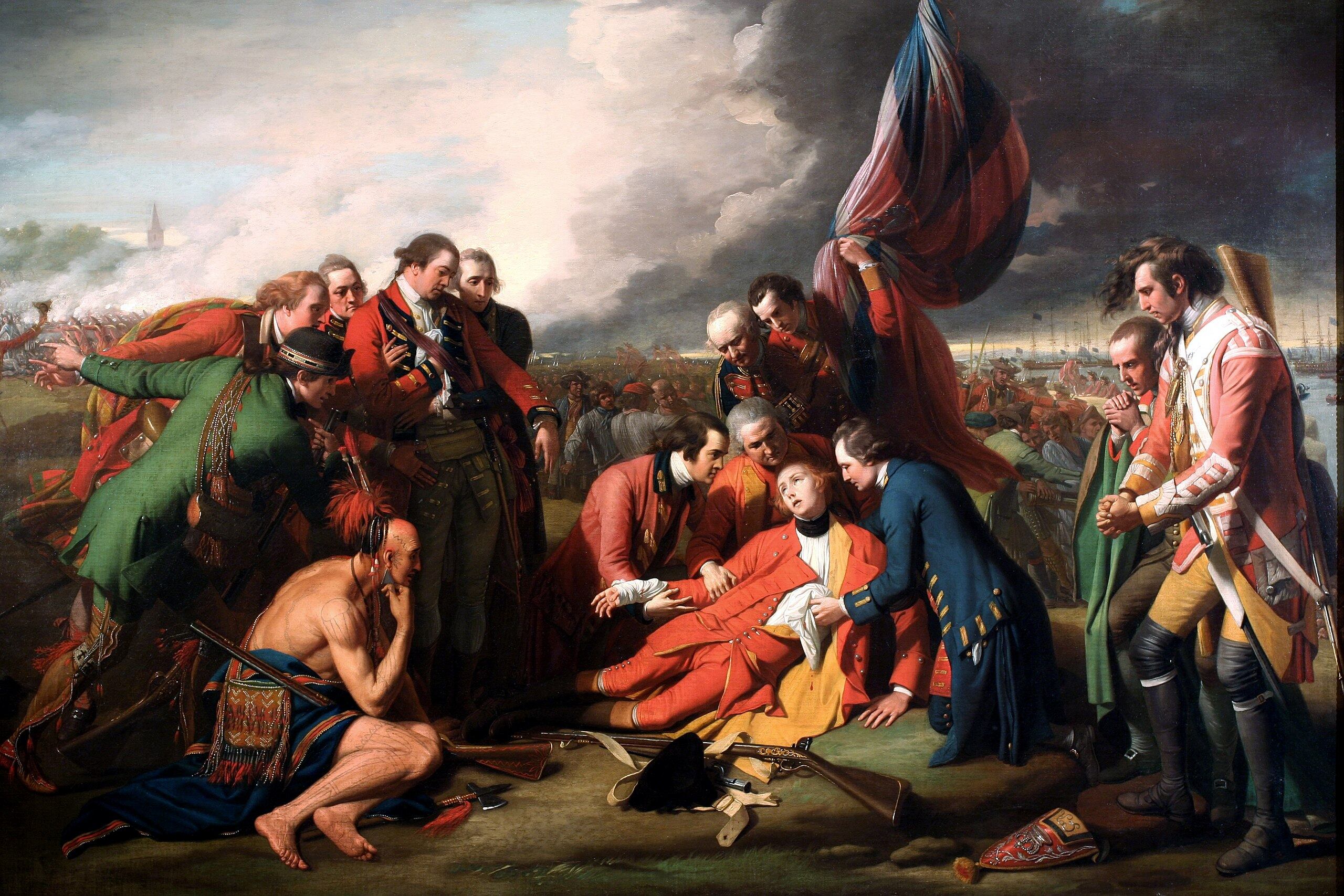
Initially, France held the upper hand, but Britain's focus on maritime power and trade allowed it to gain the advantage. William Pitt, known as the "Great Commoner," played a crucial role in shifting Britain's strategy. He prioritized colonial warfare, leading to key victories such as the capture of Quebec in 1759. These successes culminated in the Treaty of Paris in 1763, which marked the end of French dominance in North America.
From Rivals to Allies
Despite centuries of rivalry, Britain and France eventually found themselves united against a common threat. Their historical conflicts, often referred to as the Hundred Years' War, spanned several centuries. The third Hundred Years' War (1689–1815) was particularly significant, as it centered on global empire-building. Britain emerged victorious, claiming the most valuable territories, while France focused on peripheral regions.
Today, the relationship between Britain and France is one of mutual respect and cooperation. Their historical rivalry serves as a reminder that international politics is driven by national interests rather than permanent alliances or enmities. As the world continues to change, understanding these historical dynamics remains essential for navigating the future.
Post a Comment