Nepal Expands Food Contamination Inquiry Amid Election-Driven Market Anomalies
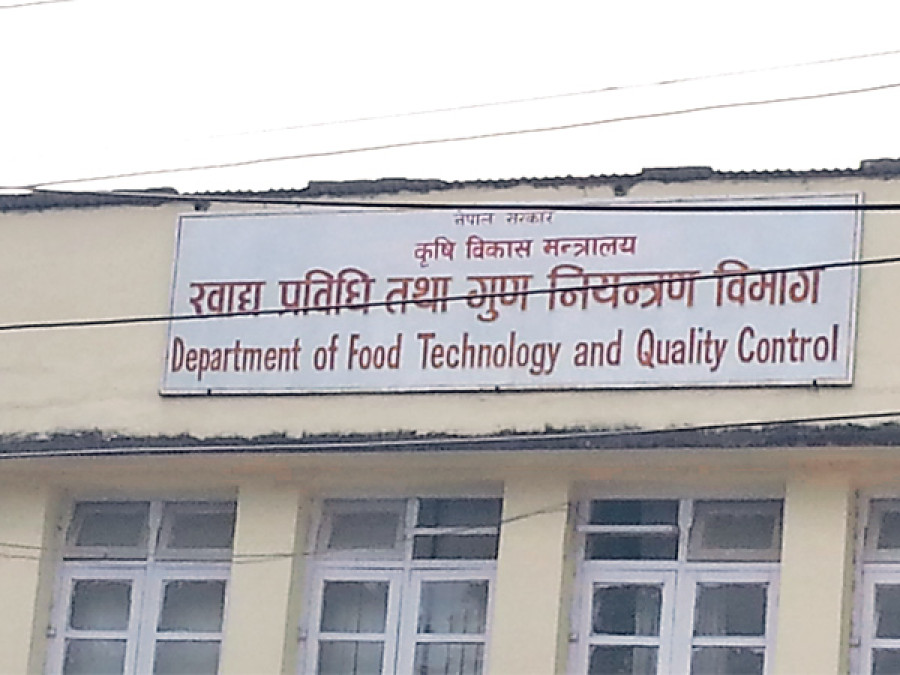
Expanding Food Safety Investigations in Nepal
Nepal's food safety authority has expanded its probe into contaminated food products, as concerns grow over the presence of harmful substances in market goods. This comes amid heightened public awareness and increased scrutiny, especially with the upcoming March elections creating a politically charged environment.
Consumer rights advocates have raised alarms about potential surges in substandard products during this period, suggesting that some producers may exploit lax oversight to prioritize profits over public health. The Department of Food Technology and Quality Control (DFTQC) has been actively involved in addressing these issues, but critics argue that more needs to be done.
In the last fiscal year, the department collected 3,394 food samples, of which 173 were found to be unfit for consumption. During the same time, legal cases were filed against 183 food and feed companies across various district courts and administrative offices. These actions highlight the ongoing challenges in ensuring food safety standards are consistently met.
Within just one month, the DFTQC has recalled five substandard food items from the market, including juice, processed drinking water, and snack products. Despite these efforts, consumer rights groups continue to express concerns about the adequacy of current inspections, pointing out that millions of food products remain unchecked, posing significant risks to public health.
Recent recalls include the NMR 107M1 batch of Hygen Ruhsh, a mango drink, after laboratory tests revealed it did not meet government standards. The product is manufactured by Hygen Packs Nepal in Kamal Rural Municipality, Jhapa. Similarly, the WC.330P batch of Royal Assam tea was recalled after failing quality checks. Both incidents underscore the need for continuous vigilance.
On January 9, the department ordered the recall of 61 batches of Ananda Water, a processed drinking water product sold in 20-litre jars. This action followed tests that showed substandard quality. Another recall involved the JM12 batch of Raybot Refresh Fruit Drink, a mango beverage produced by Raybot Spring's Mineral Water in Kathmandu.
In December, the DFTQC also recalled three batches of Bhaleshwor, a mixed dalmoth snack, after failing quality tests. Authorities destroyed 102 sacks containing 25 packets each, valued at Rs519,600. Additionally, samples of processed drinking water from Heritage Beverage in Bhaktapur were found to be substandard.
The department also took action against Khajurico brand puff snacks, which were found to contain industrial trans-fat levels exceeding permissible limits. Over 5,200 packets were crushed and buried within the factory premises.
According to Bal Kumari Sharma, spokesperson for the DFTQC, manufacturers of substandard products can face up to six months' imprisonment and a maximum fine of Rs300,000. Once a recall order is issued, companies are required to recall the specified batch and notify the department within a week. Food inspectors then oversee the destruction of the products brought back, and failure to comply can result in further legal consequences.
Substandard food items often fail to meet quality or safety standards due to reduced key ingredients, adulteration, or contamination with harmful substances. While not always immediately dangerous, these products can lead to serious long-term health impacts.
Consumer rights activists argue that the government's focus on the election campaign has weakened oversight, increasing the risk of adulterated and low-quality food entering the market. Prem Lal Maharajan, president of the National Consumer Forum, stated that the department has not been able to conduct intensive market inspections, encouraging producers to neglect consumer health.
Maharajan also highlighted the issue of milk packets tied with rubber bands going unchecked and lentils allegedly treated with pesticides to extend shelf life. He further pointed to the sale of Indian basmati rice in Nepal without adequate oversight, emphasizing the need for stronger regulatory measures.
"The limited capacity and negligence by the country's quality watchdog compromise public health," he said, calling for more rigorous enforcement of food safety standards to protect consumers.
Post a Comment