Michael Flatley's Monaco Millionaire Lifestyle Built on Borrowed Millions, Court Hears
Legal Dispute Over Financial Management and Intellectual Property
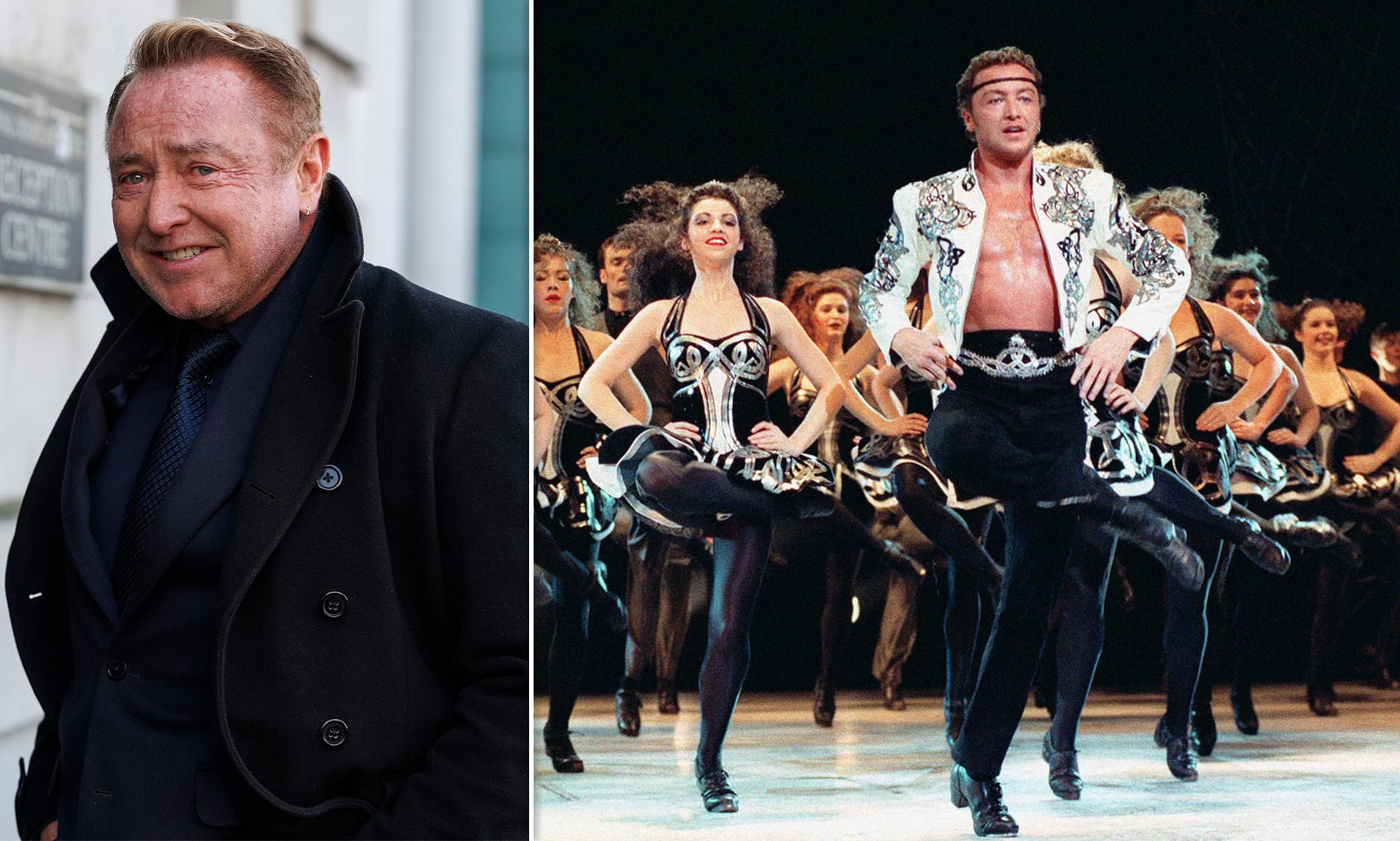
Michael Flatley, the renowned Irish dancer and choreographer, is currently involved in a high-profile civil court case in Belfast. The legal battle centers around allegations that he has been living an extravagant lifestyle, borrowing money to maintain his status as a "Monaco millionaire." According to the court, Flatley has demonstrated an "insatiable appetite" for "lifestyle cash," which includes significant expenditures such as a £65,000 birthday party.
Flatley, who rose to international fame through his performance of Riverdance at the Eurovision Song Contest in 1994, is now embroiled in a dispute with Switzer Consulting. The firm is taking legal action against him for alleged breach of contract related to an agreement that allowed it to manage his dance shows. Switzer has already secured a temporary injunction to prevent Flatley from interfering with the productions, while Flatley’s legal team argues that his involvement is crucial to the success of the show.
Financial Allegations and Legal Arguments
The legal dispute hinges on a terms of service agreement under which Flatley transferred the intellectual property rights for The Lord of the Dance to Switzer. In return, Switzer was required to provide business management services, including accounting and payroll. Under this agreement, Flatley agreed to pay the company £35,000 per month for the first 24 months, increasing to £40,000 a month thereafter.
Gary McHugh KC, representing Switzer, argued that an injunction was necessary to protect the firm's interests because Flatley's financial situation would leave him unable to pay damages if found liable. A statement from Flatley's former financial advisor, Des Walsh, claimed that Flatley had borrowed money to maintain a facade of wealth, despite lacking the necessary funds to support such a lifestyle.
According to the statement, Flatley ignored advice not to enter into a wealthy circle, instead using other people’s money to sustain his image. This behavior was exacerbated by what Mr. Walsh described as "horrendous business mistakes" that led to additional borrowings. Instead of cutting back on expenses, Flatley continued to borrow more money, creating a cycle of financial dependency.
Counterarguments from Flatley’s Legal Team
David Dunlop KC, representing Flatley, pushed back against claims that the dancer was a poor manager of his affairs and faced substantial debts. He argued that Switzer's legal team had made ad hominem attacks on Flatley's character rather than addressing the core legal issues of the case.
Mr. Dunlop highlighted that Flatley had managed to generate and make available £433,000 overnight, which was held by a solicitor in Dublin to settle the contract with Switzer. He suggested that it was Switzer, not Flatley, who faced financial difficulties in the case.
He also criticized Switzer's argument that the financial arrangements in the contract were meant to protect The Lord of the Dance from Flatley's financial reputation. Mr. Dunlop stated that if there was damage to the show, it would be Flatley's responsibility since it was his intellectual property. He further argued that Switzer, as an agent, had no incentive to protect the value of the intellectual property, as it was only entitled to a service fee.
Ongoing Legal Proceedings
The court is expected to deliver a ruling later in the week. The case raises important questions about the responsibilities of both parties in managing the intellectual property and financial obligations associated with The Lord of the Dance. As the legal proceedings continue, the outcome could have significant implications for the future of the production and the relationship between the artist and the management firm.
With the 30th anniversary tour of The Lord of the Dance set to begin in Dublin's 3 Arena, the legal battle adds an extra layer of complexity to the already high-stakes world of stage performances and intellectual property rights.
Post a Comment