Lee Proposes Tobacco-Style Sugar Tax for Public Health
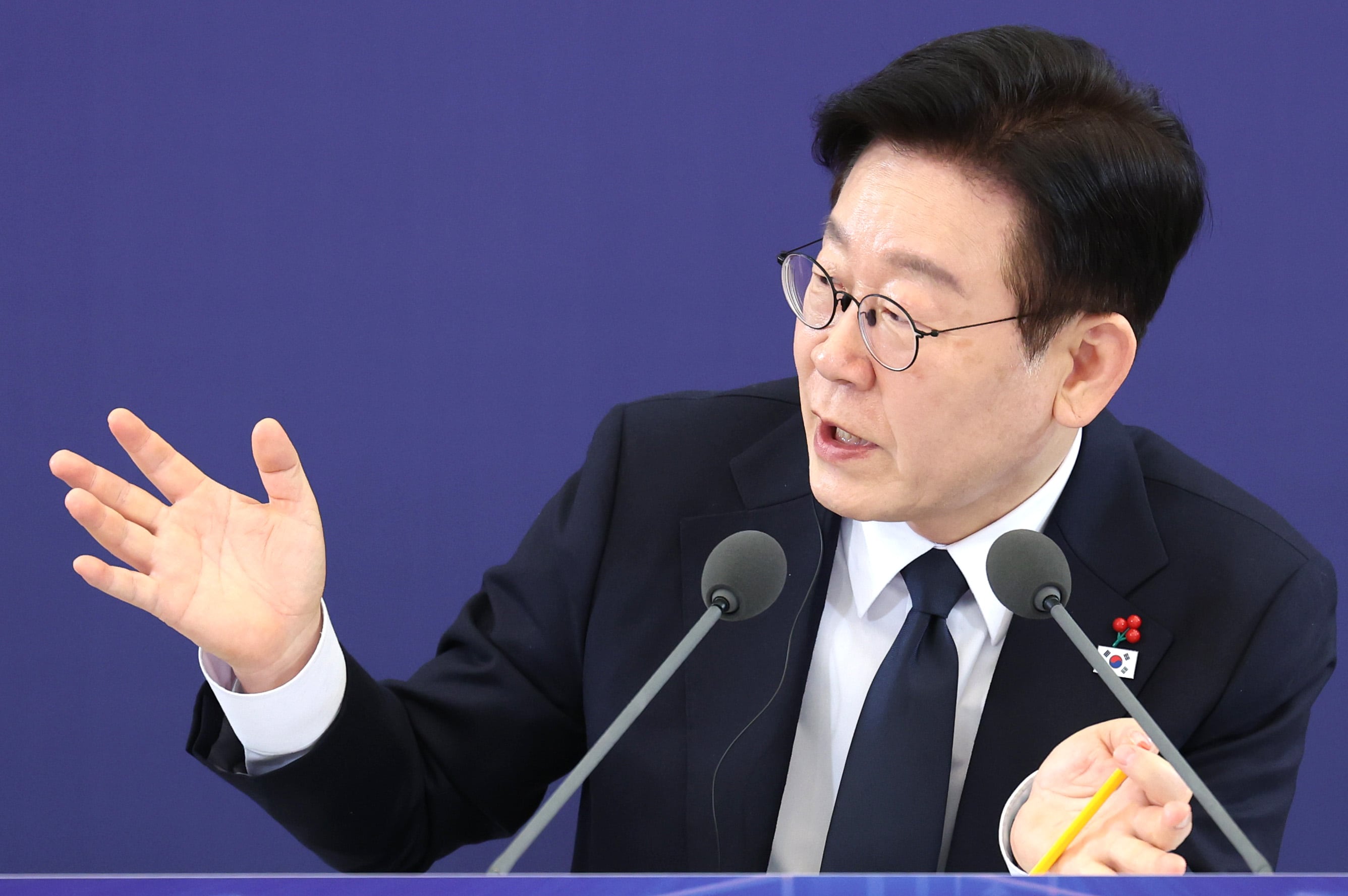
President Lee Jae Myung Proposes Sugar Levy to Address Public Health Concerns
On the 28th, President Lee Jae Myung introduced a proposal for a "sugar levy" on products with high sugar content. The president questioned, “What about a ‘sugar levy’ like tobacco?” He shared his thoughts on X (formerly Twitter), stating, “How about suppressing sugar use through a sugar levy and reinvesting the revenue in strengthening regional and public healthcare? What are your opinions?”
The proposal aims to introduce a “sugar tax” as a measure to reduce sugar consumption and channel the collected funds into public healthcare initiatives. President Lee also highlighted an article featuring a public opinion survey showing that 80% of citizens support the introduction of a sugar tax.
A “sugar tax” is a levy imposed on sugary beverages and other foods containing added sugars to prevent health issues such as diabetes and obesity. It functions as a “health levy” on businesses that provide harmful products or services, similar to how tobacco is taxed. Approximately 120 countries, including Norway, France, Italy, and some U.S. states, have already implemented this type of tax. Vietnam will also impose an 8% excise tax on sugary beverages containing 5g or more of sugar per 100ml starting next year, increasing it to 10% from 2028.
In South Korea, a revised bill of the Health Promotion Act was proposed in 2021 to impose taxes based on the amount of sugar per liter of beverage. The proposed tax rates were 1,000 Korean won for 1kg or less of sugar per 100 liters, 2,000 Korean won for 1–3kg, and up to 28,000 Korean won in tiers. However, the bill was not discussed in the National Assembly and was ultimately discarded. A Cheong Wa Dae official stated, “We plan to review opinions from various sectors regarding the utilization of the sugar levy.”
Sugar Tax Implemented by 120 Countries
A Cheong Wa Dae official explained that President Lee’s sudden proposal stemmed from his recognition of the disproportionate impact of obesity and diabetes on low-income groups. The official added, “Many advanced countries have implemented sugar restriction policies, so it is time for us to consider it as well.” President Lee had previously instructed a review of health insurance coverage for obesity treatment during a work report in December of last year.
Despite this, the government has not yet initiated formal discussions on introducing the sugar tax. The official noted, “This is a step to gauge public opinion and initiate social discussions.” A survey conducted by Seoul National University’s Health Culture Business Unit, commissioned by Hankook Research, found that 80.1% of respondents supported the sugar tax, 75.1% supported taxing carbonated drinks, and 72.5% supported taxing snacks, bread, and rice cakes.
Countries that have implemented the sugar tax have seen positive outcomes in reducing sugar consumption. According to Seoul National University’s Health Culture Business Unit, the UK reduced sugar content in taxed beverages by 47% after introducing the “Soft Drinks Industry Levy (SDIL)” in 2018. In Europe, major companies like Coca-Cola and PepsiCo adjusted their products to reduce sugar content by 30–50%.
However, concerns remain about the potential impact of the sugar tax on low-income households. Denmark implemented a similar “fat tax” on high-calorie foods but abolished it after a year due to increased household costs and cross-border shopping. People Power Party senior spokesperson Park Sung-hoon criticized, “After wasting taxpayers’ money on empty gestures, they now seek to control citizens’ dining tables with taxes. This will likely only cause side effects like inflation from price hikes.”
Post a Comment