Is Sushi Healthy? Top Rolls to Order and Avoid
The Rise of Sushi in the UK and Its Health Implications
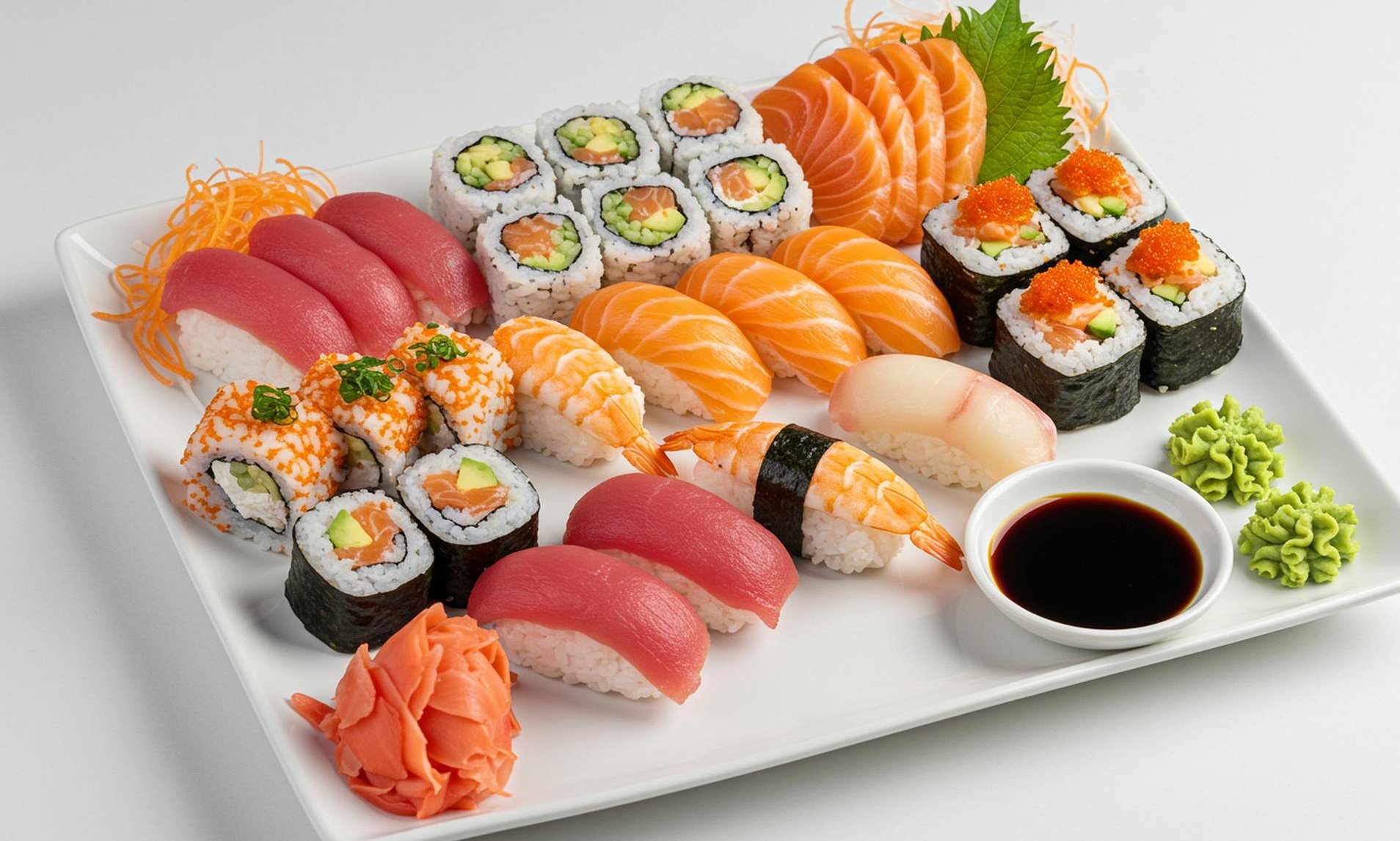
Sushi has become a staple in British cuisine, offering a healthy and flavorful alternative to traditional meals. Supermarkets across the country sell over 11,000 tonnes of sushi annually, with many people choosing it as a low-fat option for lunch. In addition, there are more than 2,800 sushi bars and restaurants in the UK, each serving a variety of creative dishes that reflect both traditional Japanese flavors and modern Western influences.
The popularity of sushi is partly due to its nutritional benefits. The lean protein from fish, combined with micronutrients found in seaweed, fish eggs, wasabi, and pickled ginger, makes it a dish that supports overall health. These elements are believed to contribute to the long lifespan of many Japanese people, who often live beyond 100 years. However, not all sushi options are equally beneficial, and some variations can be high in calories, fat, and sodium.
Amanda Serif, a nutritional therapist and member of the British Association of Nutrition and Lifestyle Medicine, emphasizes that while sushi can be a healthy choice, the type of sushi and how often it's consumed play a crucial role in determining its impact on health. She explains that traditional Japanese sushi items, such as nigiri and sashimi, are generally healthier compared to Westernized versions that include fried elements, mayonnaise, and spicy sauces, which tend to be higher in fat, salt, and calories.
Healthiest Sushi Options
Salmon Nigiri
This classic dish consists of a slice of raw salmon placed on a small block of rice. It is rich in omega-3 fatty acids, vitamin D, and B12, all of which support heart, brain, and immune health. Although white rice is a refined carbohydrate, the presence of protein and healthy fats from the salmon helps slow down digestion, preventing blood sugar spikes.
Tuna Naruto Roll
This variation uses cucumber instead of rice, making it a lower-carb option. Tuna is another lean protein source, packed with omega-3s, selenium, and vitamin B6. For those managing their blood sugar or following a low-carb diet, this is a better choice than traditional nigiri.
Mackerel Temaki Roll
Shaped like an ice-cream cone, this roll combines mackerel, rice, and nori (seaweed). Mackerel is one of the richest sources of omega-3 fatty acids, which can improve heart health and reduce cholesterol levels. Nori adds essential nutrients like iron and zinc, making this a highly nutritious option.
Battleship Ikura
Ikura, or fish roe, is a nutrient-dense ingredient rich in omega-3s, vitamins B12 and D, and antioxidants. While the texture may be divisive, it offers significant health benefits when consumed in moderation.
Unhealthiest Sushi Options
Swordfish Sashimi
Although swordfish is a good source of protein, it can accumulate high levels of mercury due to its position at the top of the food chain. Mercury exposure can harm the nervous system, especially in children and pregnant women. Experts advise limiting consumption of swordfish and similar species.
California Roll
This American-influenced dish uses imitation crab meat (surimi), which is processed and often high in sodium and additives. The high rice-to-protein ratio can lead to blood sugar spikes, making it less ideal for sustained energy.
Eel Nigiri
Grilled eel provides similar nutritional benefits to other fish, but the sweet glaze used in traditional preparations adds extra sugar and sodium. Eating multiple pieces in one sitting can have a negative impact on blood pressure and blood sugar levels.
Dragon Roll
This elaborate dish features tempura shrimp, avocado, and heavy sauces, making it significantly higher in calories and fat than traditional sushi. It is often described as the "burger and chips" of the sushi world due to its processed nature and lack of nutritional balance.
By understanding the differences between various sushi options, consumers can make more informed choices that align with their health goals. Whether opting for a simple piece of nigiri or a more indulgent roll, moderation and awareness of ingredients are key to enjoying sushi in a balanced way.
Post a Comment