International Students Hit by Major Tuition Increases in South Korea
Rising Tuition Fees for International Students in South Korea
South Korean universities are preparing to increase tuition fees for international students, with hikes ranging from 3% to 11%. This decision is driven by the need to address funding shortfalls for lecturer salaries and the development of practical training facilities. The move has sparked widespread debate among students and university administrators.
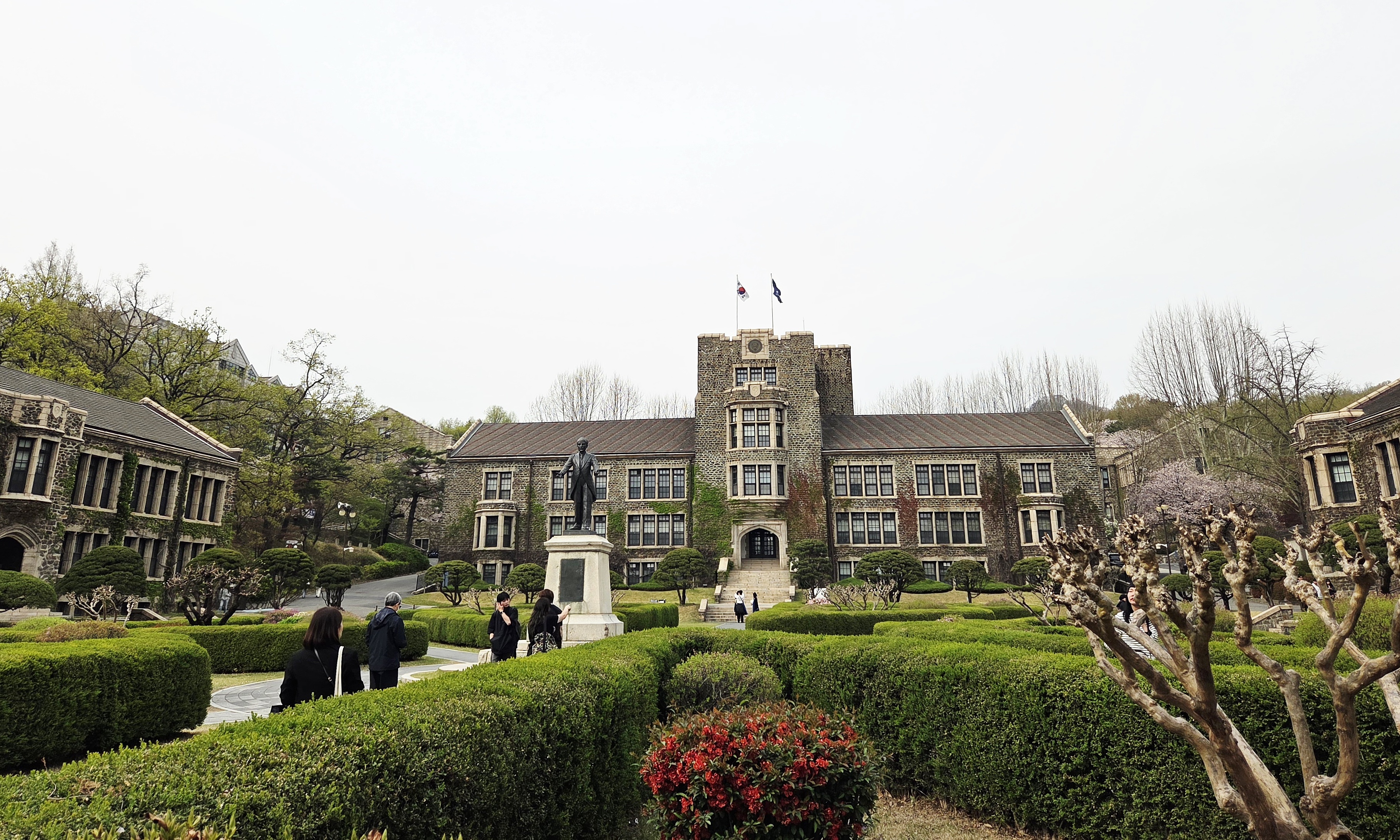
Yonsei University was one of the first institutions to announce a 6% increase in undergraduate tuition for international students. Students enrolled at Yonsei’s Underwood International College will face a smaller increase of approximately 3.2%, according to reports. The new tuition rates for international undergraduates at Yonsei are expected to range between 4.3 million won and 8.7 million won (around US$3,000 to $6,100) per semester in 2025, depending on the college. For the Underwood International College, the cost is around 7.9 million won per semester, while graduate programs typically range from 5 million to 10 million won per semester, based on the field of study.
Other leading universities have also announced their own fee increases. Ewha Womans University is applying a 7% hike across all international programs, from undergraduate to doctoral levels. Sogang University has followed suit with a 7% increase, while Sungkyunkwan University plans a 6% rise. Hanyang University and Kyung Hee University are set to increase fees by 5% each. The highest increase is anticipated at Korea University, where tuition for international students will rise by more than 11%. Current fees range from 5.8 million to 7.8 million won per semester, with postgraduate program increases varying between 2% and 5% depending on the discipline.
Domestic students will also experience higher tuition costs, but the increases are limited to 3.19%, which aligns with the government-mandated ceiling tied to the average consumer inflation rate over the past three years. Previously, only universities that froze or reduced tuition were eligible for certain government funding sources. Under current law, private universities may raise tuition by up to 1.2 times the average consumer price inflation rate over the past three years, resulting in this year's cap of 3.19%, down from 5.49% in previous years.
Student Protests and Concerns
The proposed fee increases have faced strong opposition from students, who argue that they have not seen tangible benefits from previous hikes. At Hankuk University of Foreign Studies, the student council criticized the university for increasing tuition by 5% last year despite widespread opposition. They claimed the institution failed to fulfill its promise to use most of the additional funds for student support.
Similarly, the Korea University student council stated that tuition hikes have not led to improvements in the curriculum. "Students are not the school’s ATM," the statement read. The Ewha Womans University student council echoed these concerns during a mid-January press conference, urging the university to seek more government funding and increase the financial responsibility of its foundation.
Universities Justify the Increases
University administrators defend the fee hikes, arguing that they are necessary to ensure financial stability. Hwang In-sung, secretary general of the Korean Association of Private University Presidents, highlighted the challenges faced by private institutions. "There is less government funding for private universities, yet they are expected to maintain low tuition," he said. He added that private universities must compete with national universities, but government-imposed tuition caps restrict their ability to improve educational quality.
Hwang noted that the government’s expansion of funding for regional public universities has further weakened the position of private institutions. Last year, more than 70% of universities nationwide decided to raise tuition, according to reports. A Ministry of Education report published in April 2023 indicated that 136 out of 193 four-year universities increased fees, accounting for 70.5% of total institutions. The remaining 57 institutions froze tuition, with an average increase of 4.1% across all universities.
Broader Implications
South Korea currently hosts more than 300,000 international students, with over one-third coming from Vietnam. Annual tuition at the country's top 10 universities now ranges from 2.7 million to 19 million won. As the cost of education continues to rise, both domestic and international students are closely watching how universities manage their finances and whether the increases translate into improved academic resources and opportunities.
Post a Comment