"His Own Bedroom": Couples Obsessed with Their Dogs
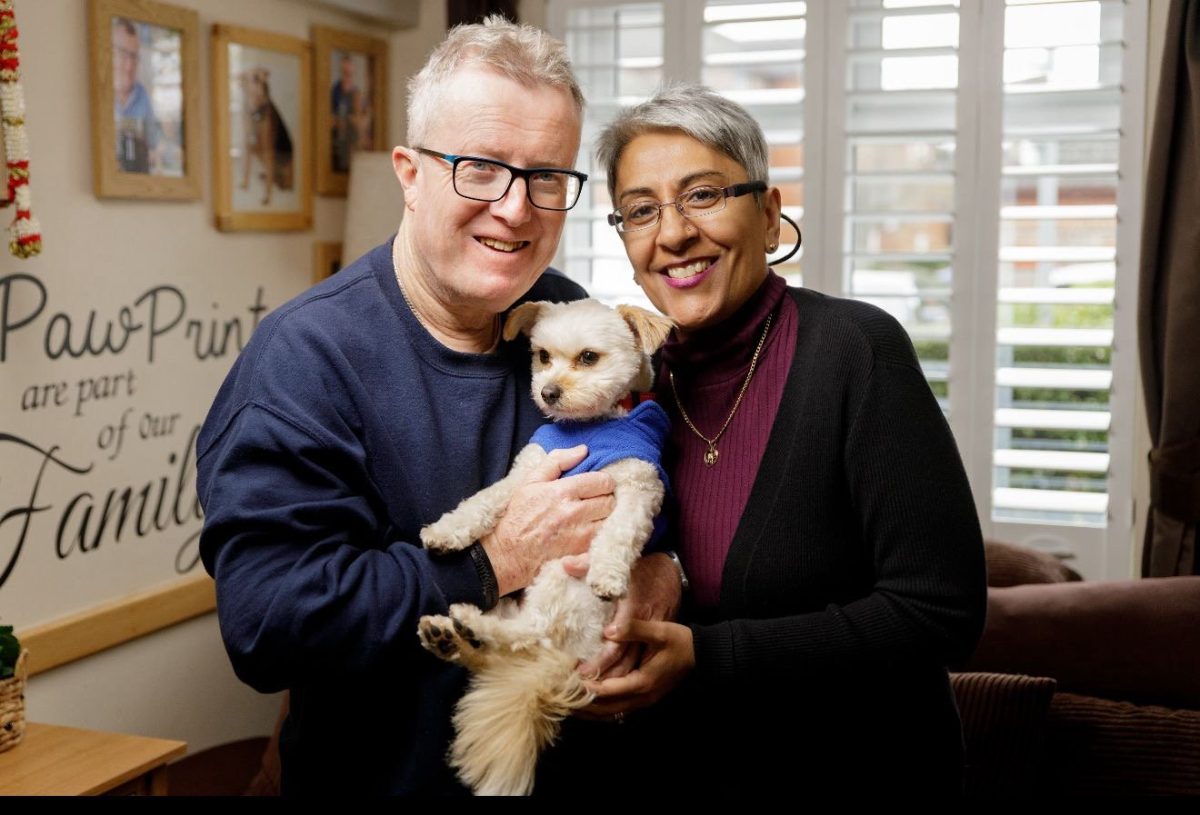
The Rise of Dinkwads: A New Definition of Family in Modern Britain
In modern Britain, a growing number of couples are redefining what it means to be a family. These individuals, often referred to as Dinkwads (double income, no kids, with a dog), are choosing canine companionship over traditional parenthood. From weekend park outings to carefully curated photo sessions, dogs are becoming the central figures in their lives. With around 13 million dogs now living in the UK, this shift is reshaping social norms and expectations.
A Love That Transcends Traditional Parenthood
Reeta, 58, a therapist, and Howard, 66, a driving instructor and Chelsea tour guide, are among those who have embraced this lifestyle. They adopted a bichon Chihuahua named TJ from Battersea Dogs and Cats Home after losing their previous dog, Honey, a Yorkie Jack Russell. “When I picked up TJ, she licked my nose, and that was all it took,” Reeta recalls. “Then she grabbed hold of Howard and wouldn’t let go.” Since then, the couple has revolved their lives around TJ, using a shared calendar to ensure someone is always with her.
For them, having a dog is more than just pet ownership—it’s a deep emotional bond. “TJ is the little girl we never had,” Reeta says. She adds that while they once tried for a baby, they eventually realized they weren’t ready. “I didn’t want one that badly, because otherwise I would have tried IVF or adoption.”
Howard also credits TJ with improving his health. He suffers from severe osteoarthritis, and having a dog keeps him active. “If I didn’t have TJ, I wouldn’t be as disciplined,” he says. Their commitment to TJ is evident, even during emergencies. When TJ fell ill, they spent an entire night by her side, ensuring she was comfortable.
Embracing Canine Companionship as a Lifestyle
Charlotte, 38, owner of PR agency Belle PR, and her husband, 43, have two miniature short-haired dachshunds named Waffle and Wilma. They adopted their first dog, Waffle, when they were in their late twenties, after researching which breed would suit their small apartment. “The super-sassy Waffle has ruled our lives ever since,” Charlotte jokes.
She says having dogs has made her more empathetic and inspired her to support various animal welfare campaigns. “We’re proud dog parents to our daughters, and our parents are referred to as their grandparents… we’re all in,” she explains. The couple celebrates their dogs’ birthdays with cards, cakes, and banners, treating them like family members.
Charlotte is also passionate about animal rights, supporting initiatives like Lucy’s Law, which banned the third-party sale of puppies under six months, and the 2024 Pet Abduction Act, which made stealing dogs a criminal offence. “Dogs deserve their own thought process. They are the centre of our universe,” she says.
A Unique Bond That Strengthens Relationships
Katie, 35, a communications officer, and teacher Crispin, 36, have a French bulldog named Diego. Katie’s sister had owned him, but due to allergies and the demands of caring for three children, she offered to take him in. “I already loved him from the few times I’d met him,” Katie says.
Diego brought the couple closer together, especially during weekends when they take long walks together. “He encourages a healthier lifestyle with daily walks even when we’re feeling lazy,” Crispin says. The couple spoils Diego, giving him his own bedroom and considering him before making major life decisions.
Katie now wants to become a dog trainer, inspired by the bond she shares with Diego. “He taught me so much and the fun we have is priceless,” she says.
The Challenges of Dog Ownership
Not everyone finds the transition to dog ownership easy. Ira, 59, founder of All Dogs Matter, and Philip, 65, a company director, have a French bulldog named Mimi. They have rescued four dogs over the years, starting with Monty, a Labrador they took in after he was kept in a garage by a neighbor.
“I believe it has worked out how it was meant to,” Ira says. However, she acknowledges the challenges of dog ownership. “It’s expensive—insurance fees can be huge,” she notes. “You can’t do things on a whim anymore. If we’re out for more than four hours, we start getting itchy, wondering if Mimi is OK.”
She also highlights the emotional toll of losing a dog. “Losing a dog can be harder when you don’t have children,” she says. “They are like your babies.”
While many find joy in canine companionship, the decision to choose dogs over children is not without its complexities. For these couples, however, it represents a fulfilling and meaningful way to build a family.
Post a Comment