Gov Unveils Plan to Revamp 34 Aging Public Buildings for 10,000 Families
Government Unveils Plan to Supply 60,000 Housing Units in Urban Areas
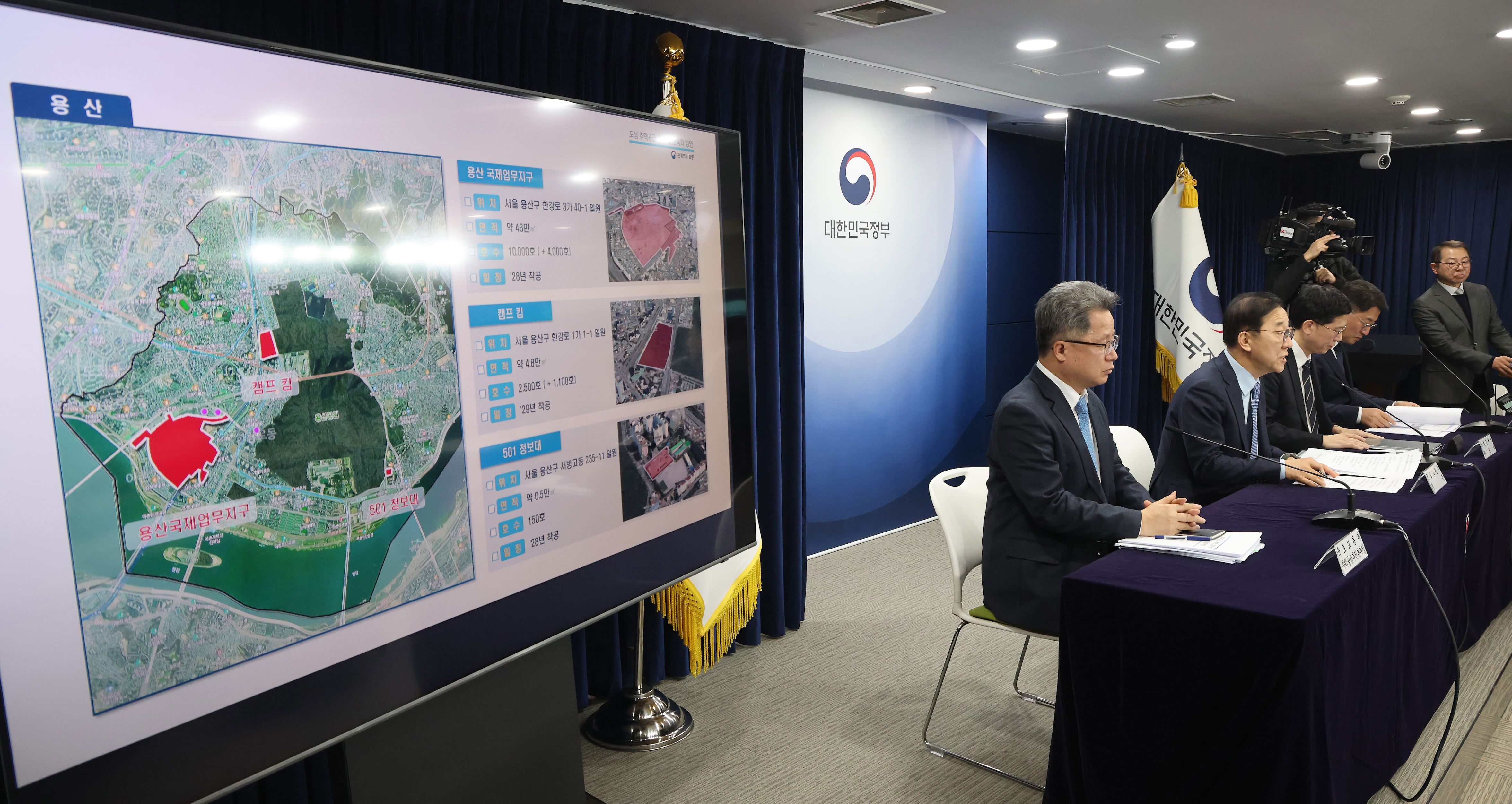
The government has announced an ambitious plan to provide a total of 60,000 housing units in urban areas, with a significant portion allocated to Seoul. This initiative includes the supply of approximately 10,000 households across 34 sites of aging public buildings such as district offices, post offices, and tax offices. The plan also involves large-scale developments like the Yongsan International Business District and Taereung Country Club.
The announcement was made during a ministerial meeting chaired by Deputy Prime Minister and Minister of Economy and Finance Koo Yun-cheol at the Government Complex Seoul. The meeting unveiled the 'Plan to Expand and Expedite Urban Housing Supply,' marking the first detailed disclosure of how to utilize idle land and public buildings within Seoul as part of the government's September 7, 2023 supply measures. These measures aim to start construction on over 1.35 million households in the capital region by 2030.
Breakdown of Housing Supply Targets
According to the government’s announcement, a total of 60,000 households will be newly supplied: 32,000 across 26 sites in Seoul, 28,000 across 16 sites in Gyeonggi Province, and 100 across two sites in Incheon. The government plans to push forward with speed, targeting construction starts as early as 2027.
In addition to these targets, the government has included a plan to supply 10,000 households by redeveloping 34 aging public building sites. This involves demolishing old and outdated facilities such as district offices, tax offices, and post offices in urban areas and supplying housing in their place. While these sites are advantageous due to their proximity to subway stations, high preference among actual demanders, and existing lifestyle infrastructure, the scale varies from a maximum of around 1,100 households to just dozens.
Key Projects in Seoul
Several key projects have been identified in Seoul. For instance, 518 households will be supplied at the southern site of Seoul Medical Center, located near Samsung Station (Line 2) and Bongeunsa Station (Line 9). This site will combine business facilities such as a smart work center and shared conference rooms with housing. Construction is targeted to begin in 2028. Additionally, 360 households will be supplied at the site of the Gangnam-gu Office, and 160 households at the Bangi-dong complex public building in Songpa-gu.
The largest number of households—1,171—will be supplied at the aging public building site in Ssangmun-dong, Dobong-gu, Seoul, among the 34 sites. This complex will combine 623 public housing units and 548 dormitory units and is located near the Ui-Sinseol Line 4·19 Democracy Cemetery area. In Myeonmok Administrative Complex Town, Jungnang-gu, 712 households will be supplied, while 324 and 480 households will be supplied in the Yongsan Urban Regeneration Innovation District and Yongsan Rainwater Retention Basin, respectively. The former National Police Agency horseback unit site in Seongsu-dong will supply 260 households for young people and newlyweds.
Other sites in Seoul include the Gwanak Tax Office (25 households), Dongjak Post Office (30 households), Yongsan Post Office (47 households), Songpa Post Office (51 households), and the Southern Women’s Development Center in Geumcheon-gu (200 households). The government plans to aggregate public institution sites to supply housing.
Developments in Gyeonggi Province
In Gyeonggi Province, the Suwon Postal Concentration Bureau will be relocated to a new site, and the Korea Land and Housing Corporation (LH) will purchase the existing site to supply 936 public housing units. The site will be developed as a housing complex specializing in newlywed families, featuring childcare facilities, small libraries, and safe playgrounds.
Projects already underway, such as the Uijeongbu Prison site (2,567 households, started last month) and military sites in Daebang-dong (1,326 households, targeted for 2028 construction) and Namtaeryeong (832 households), were not included in the 10,000 households announced this time.
Future Plans and Legal Measures
The government stated it will continue to identify aging public building sites suitable for complex development. It aims to enact a special law to accelerate project timelines within the year. This comprehensive approach highlights the government's commitment to addressing housing shortages and improving living conditions in urban areas.
Post a Comment