Designer Hung La Reveals the Inspiration Behind His 'Bad Boy' Brand Lu'u Dan
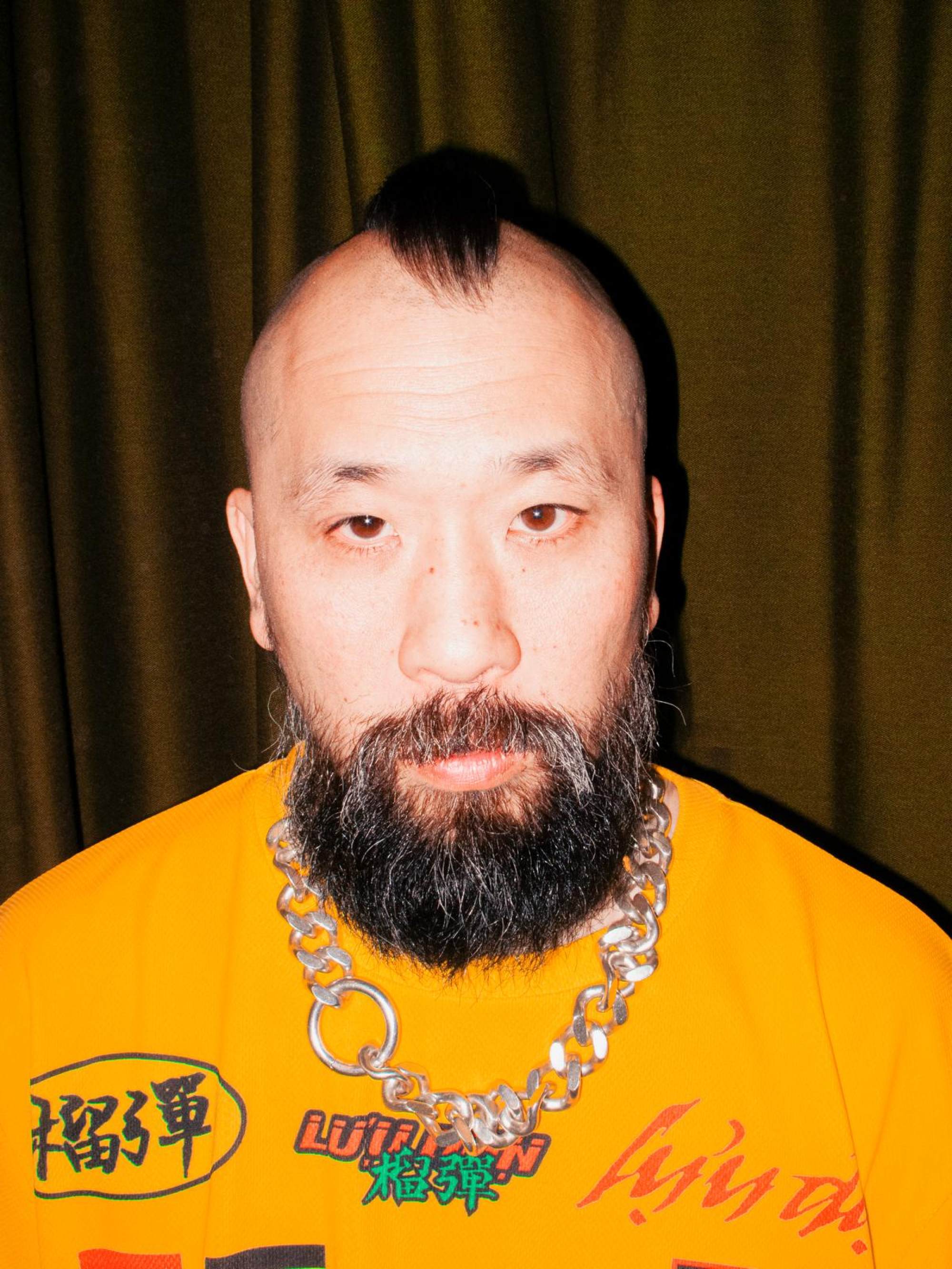
A Journey of Reconciliation and Rebellion
London-based designer Hung La, the creative force behind menswear brand Lu'u Dan, has built a unique aesthetic rooted in his formative years. His style is a reflection of a life marked by potluck dinners, karaoke sessions, gambling, and smoking—experiences that have shaped his identity and artistic vision. As he leans back on a sofa during a recent stopover in Hong Kong, he reflects on how these moments have influenced his work.
La describes his journey as one of self-discovery and acceptance. "All the things I grew up embarrassed about, I've learned to appreciate," he says. This appreciation stems from late nights spent around bone broth, or pho, and the vibrant energy of community gatherings. Initially, he rejected these experiences, but now sees them as colorful and beautiful. For La, these memories are the foundation of Lu'u Dan, a brand that embodies the spirit of a "dangerous man" or "bad boy."
His rebellious streak, which is both a product of and a response to his Vietnamese-American heritage, continues through Lu'u Dan. La’s past included time in rehab during his early twenties, after which he embraced sobriety. His fashion career began with stints at Balenciaga and Celine, where he worked on projects that reflected the visions of others. However, it wasn't until he launched Kwaidan Editions, a luxury womenswear brand, that he found some success. Yet, he still felt disconnected from his own identity.
Fashion served as an escape for La, allowing him to distance himself from his past. However, the racial reckoning following the 2020 murder of George Floyd prompted him to reflect on his role as an Asian creative in a predominantly Western industry. He questioned why narratives like his were often overlooked and recognized the power dynamics at play within major fashion houses.
Reconciling with his childhood memories became the catalyst for Lu'u Dan. La drew inspiration from his rich experiences, including summers spent exploring Hong Kong and Kowloon, and family moments like sharing dim sum with his father. These elements formed the basis of the brand's visual language, transforming Lu'u Dan into more than just a fashion label—it became a movement for marginalized communities.
One of the brand's most notable initiatives is its rebranding of monosodium glutamate (MSG) as Most Selected Goods (MSG), a symbol of cultural pride. Additionally, Lu'u Dan hosts fashion week parties inspired by late-night clubbing and Chinese food, creating a space for Asian-Americans to celebrate their heritage.
La draws inspiration from figures like Willy Chavarria, a Chicano designer who empowers his community. He aims to do the same for his "LD gang," a term that reflects both camaraderie and a sense of edge. While he questions whether discussing these issues benefits his business, he remains committed to shedding light on inequalities he has witnessed throughout his career.
Lu'u Dan’s aesthetic is a stark departure from La’s previous work, which focused on sleek, luxury womenswear. The brand’s silhouettes are bold and unapologetic, featuring jeans with draped detailing, slouchy hoodies, and puffer vests. La sought to represent an identity that was raw and complex, moving beyond simplistic stereotypes of Asian identity.
He recalls the many "Asian bad boys" who were full of soul and wanted to honor them through Lu'u Dan. The brand captures the duality of Asian culture, reflecting the balance between light and darkness, much like the characters in iconic films such as Chungking Express and Park Chan-wook’s Vengeance Trilogy.
La emphasizes the importance of nuance in representing Asian masculinity, noting that it is often misunderstood as one-dimensional. He appreciates when people recognize the complexity in his voice and personal story, acknowledging the beauty in the strangeness of how these narratives have evolved.
The brand's popularity among celebrities like Justin Bieber, Billie Eilish, and Lewis Hamilton validates the need for diverse narratives in fashion. La believes that "specificity breeds universality," proving that he is making a meaningful impact in the world.
"I'm celebrating the 'low' culture: the grime, the grit, the crusty flavours," he says. Though the daredevil in him hasn’t disappeared, he is finally comfortable in his own skin. La sees his story as a testament to the power of self-acceptance and the importance of giving minorities space to thrive.
Post a Comment