Chicken, Beef, or Crocodile? Experts Reveal the Healthiest Meats
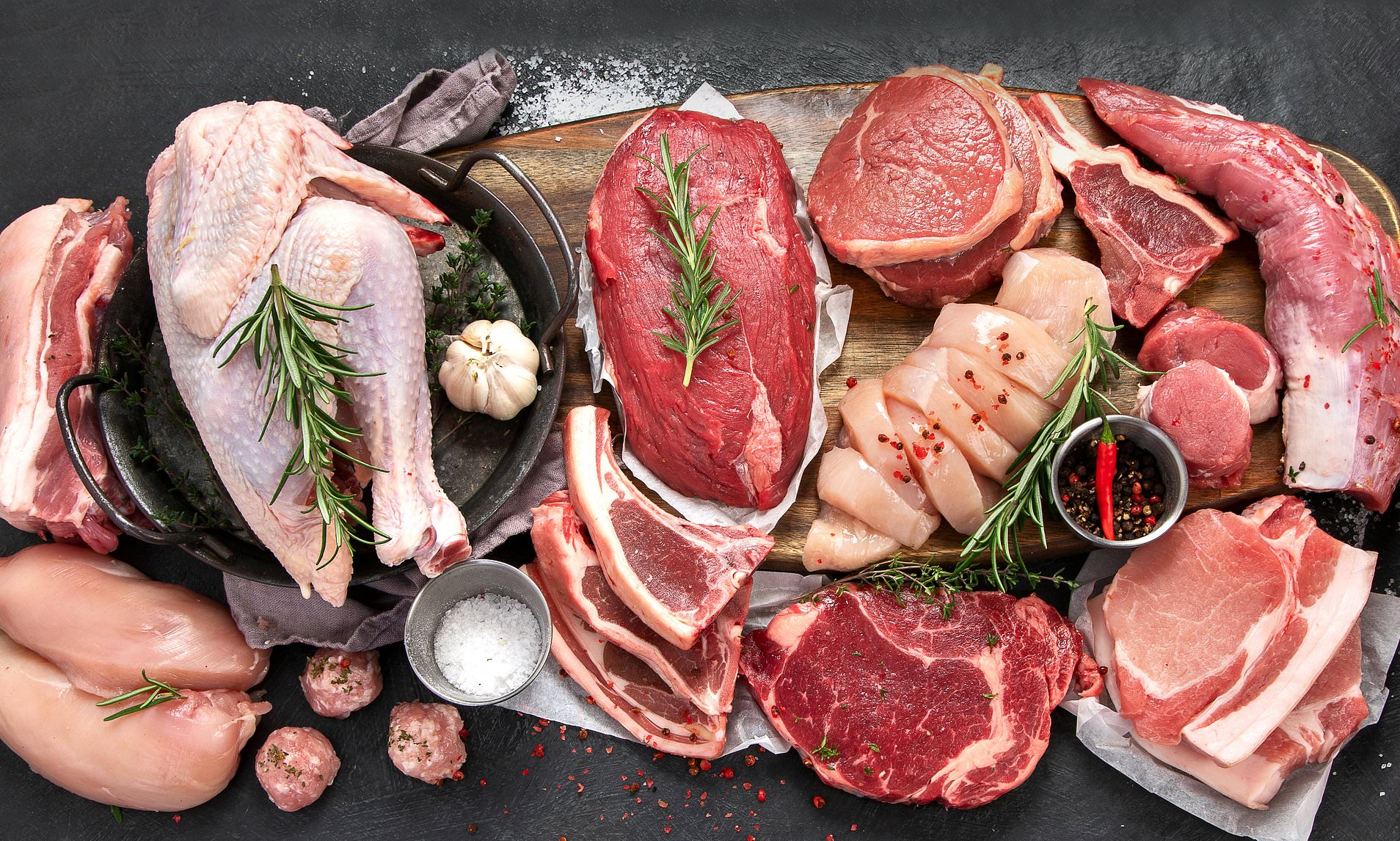
Understanding the Healthiest Choices in Meat Consumption
Meat plays a significant role in the diets of millions of people across Britain, ranging from budget-friendly hot-dog sausages to premium dry-aged beef. While meat can be an excellent source of protein, healthy fats, and essential micronutrients, it's important to consider how different types of meat are raised, prepared, and consumed. The World Health Organization (WHO) has classified processed meats as carcinogenic, highlighting the need for informed choices.
Nutritional therapist Amanda Serif emphasizes that even with the growing popularity of vegetarian and vegan diets, many individuals still rely on meat as a central component of their meals. She explains that fresh meat, when cooked properly, can provide essential amino acids, iron, and zinc, which are crucial for bodily functions. However, deep-fried or heavily processed options should be avoided for optimal health.
A 2024 study revealed that 50% of Britons consume meat at least five times a week. On average, British adults eat 10.6kg of red meat, 13.9kg of white meat, and 9.5kg of processed meat annually. To maintain a balanced diet, Ms. Serif recommends limiting fresh red meat intake to two or three portions per week and choosing lean cuts or trimming visible fat after cooking. Chewing meat thoroughly is also vital for nutrient absorption, as it aids in breaking down the fibrous structure, making digestion more efficient.
Chicken: A Versatile and Nutrient-Rich Option
Chicken is the most popular meat in the UK, with approximately 2.5 million tonnes consumed yearly. It is a complete protein source, containing all nine essential amino acids necessary for muscle repair and growth. The nutritional profile varies between chicken breast and thigh:
- Breast Fillet (Skin-Off): 28.9g protein, 147 calories, 2.2g fat.
- Thigh (Skin-On): 20.9g protein, 177 calories, 9.2g fat.
While breast meat is higher in protein and lower in fat, it requires more seasoning to enhance flavor. Thighs, with their higher fat content, offer richer taste and more iron and zinc. Removing the skin after cooking is a practical compromise, though occasional consumption of skin-on chicken is unlikely to be harmful.
Turkey: A Lean and Protein-Packed Alternative
Turkey provides more protein than chicken and less fat, making it a healthier option. The nutritional values include:
- Breast: 33.9g protein, 153 calories, 2g fat.
- Thigh: 29.4g protein, 177 calories, 6.6g fat.
It is rich in iron, zinc, phosphorus, and vitamin B6. A common myth suggests that turkey contains high levels of tryptophan, which causes sleepiness. However, this amino acid is not present in significantly higher amounts than other protein-rich foods, and the post-meal drowsiness is more likely due to overeating and alcohol consumption.
Goose and Duck: Rich in Nutrients but High in Fat
Goose and duck are fatty meats, often reserved for special occasions.
- Roast Goose: 28g protein, 310 calories, 21.2g fat.
- Roast Duck Breast (Skin-Off): 25g protein, 195 calories, 10.4g fat.
Both meats contain mono-unsaturated fats that can benefit cholesterol levels, but they should be consumed sparingly due to their overall fat content. Crispy duck dishes, while flavorful, are calorie-dense and may add salt and calories through sauces.
Beef: A Staple with Variability
Beef is a staple in the British diet, offering high-quality protein and readily absorbed iron. Different cuts vary in fat and calorie content:
- Fillet Steak: 28g protein, 184 calories, 7.9g fat.
- Brisket: 31g protein, 225 calories, 11g fat.
Mince beef can range from 5% to 20% fat, significantly affecting its nutritional value. The WHO classifies red meat as 'probably carcinogenic' and advises limiting intake to three servings per week.
Pork: Nutritionally Variable
Pork is the most popular red meat in the UK, with cuts ranging from lean to extremely fatty.
- Tenderloin: 34g protein, 170 calories, 4g fat.
- Pork Belly: Up to 580 calories, 53g fat.
Processed pork products like ham, bacon, and sausages often contain high levels of salt and saturated fats, increasing cardiovascular risks. The WHO warns that daily consumption of 50g of processed meat increases bowel cancer risk by 1%.
Lamb: Grass-Fed Benefits
Lamb, particularly grass-fed, is rich in vitamin B12 and Omega-3 fatty acids, which support heart health and brain function.
- Roasted Lamb Leg (Trimmed): 30g protein, 210 calories, 9.6g fat.
Mutton, from older sheep, is leaner but tougher, requiring longer cooking times to achieve tenderness.
Venison and Rabbit: Lean and Nutrient-Dense Options
Venison is the leanest red meat, with 36g protein, 165 calories, and 2.5g fat per 100g. It is rich in iron and Omega-3s, though care must be taken to avoid overcooking.
Rabbit, though less commonly available in the UK, is high in protein and iron, with 21g protein, 114 calories, and 3.2g fat per 100g. Its mild flavor makes it a versatile option.
Exotic Meats: Ostrich, Buffalo, Crocodile, and Goat
Ostrich meat is lean and high in iron, similar to beef but with less fat. Buffalo offers a strong, sweet flavor and is much leaner than traditional beef. Crocodile is a lean, protein-rich meat with a texture between fish and chicken, though it remains exotic in the UK. Goat, while less common, is healthier than lamb, with higher iron and potassium content.
Each type of meat offers unique nutritional benefits, but mindful selection and preparation are key to maximizing health advantages while minimizing risks.
Post a Comment