A Woman's Path to Oxford: From Scholarship Rejections to Postdoctoral Success
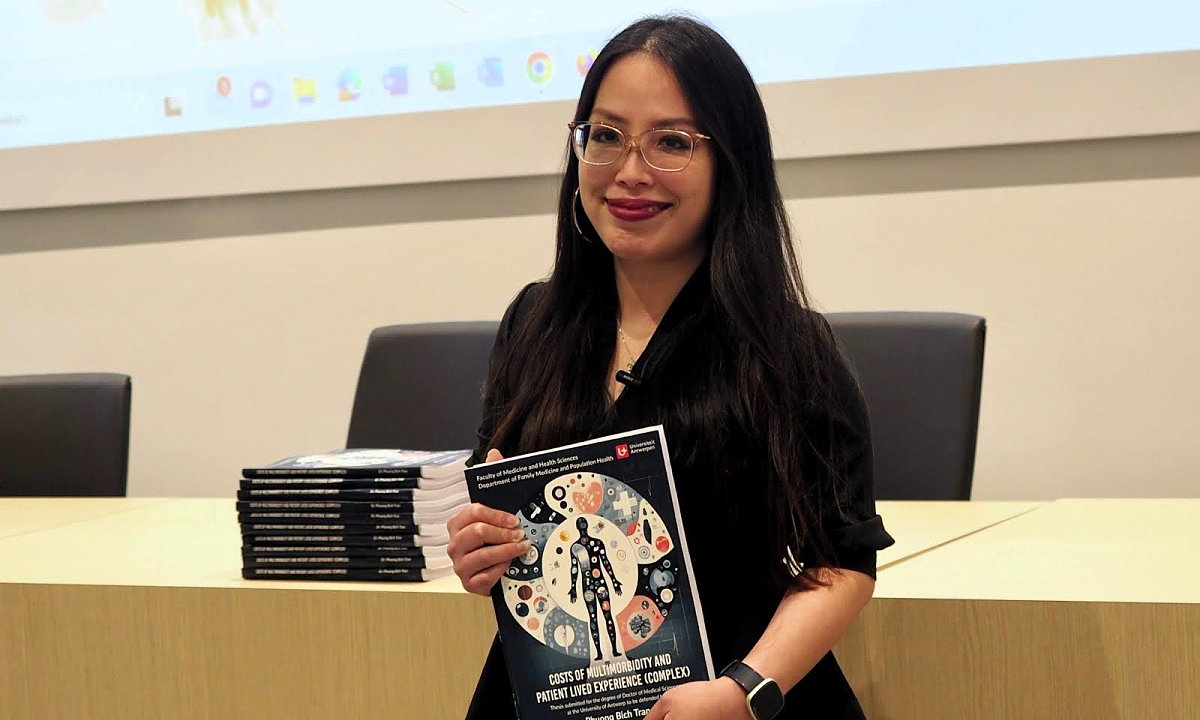
A Journey of Resilience and Academic Pursuit
Tran Bich Phuong's academic journey is a testament to the perseverance and determination required by young researchers aiming for international careers. Her path, marked by challenges and triumphs, offers valuable insights into the obstacles and strategies that can shape a successful academic trajectory.
Phuong, who once studied at British University Vietnam (BUV), is now a postdoctoral research scholar in health economics at the Department of Primary Care Health Sciences, Nuffield Department of Health Sciences, University of Oxford. Her current position is the result of years of hard work, adaptation, and resilience.
Before reaching this stage, she faced several hurdles. She encountered multiple scholarship rejections, undertook unpaid internships, and worked part-time jobs abroad to support herself. These experiences, though difficult, helped her develop a strong sense of determination and perseverance.
One of the major challenges Phuong faced was shifting from economics to public health. This transition required her to relearn research methods and core disciplinary knowledge, which placed her at a disadvantage when competing for international postgraduate opportunities. However, she used this challenge as an opportunity to strengthen her foundation.
To build her skills, Phuong spent two years working at the Center for Health Sciences Research at the University of Public Health. During this time, she developed essential research skills and gained practical experience that proved crucial for her postgraduate applications. She also revised and resubmitted her scholarship applications multiple times, facing five rejections before finally succeeding.
These setbacks did not deter her; instead, they motivated her to reassess her applications, identify areas for improvement, and continue refining her profile. She later reflected that this period was formative, helping her build persistence and resilience.
Like many international students, Phuong accepted unpaid internships and worked part-time in restaurants to cover living expenses. She recalls facing skepticism about the value of pursuing advanced education while doing manual or service work. These experiences reinforced her determination to continue on her chosen path.
A significant turning point came when Phuong was awarded a full scholarship to pursue a master's degree in global health at the Karolinska Institute in Sweden, one of the world's leading medical universities. The program required a high level of independent learning, critical analysis, and engagement with a diverse cohort of students, many of whom had substantial professional experience in the health sector.
At Karolinska, Phuong began integrating her background in economics with public health, recognizing the close relationship between the two fields in the context of evidence-based health policy. This interdisciplinary perspective led her to focus on health economics as a long-term research direction.
She later continued her academic journey in Belgium, enrolling in a doctoral programme that allowed her to deepen her research specialization. During her PhD, she developed the skills expected of an independent researcher, including study design, data analysis, academic writing, and conference presentation.
The training and experience gained during her master's and doctoral studies ultimately prepared Phuong for her current role as a postdoctoral scholar at the University of Oxford. She has noted that her undergraduate education at BUV contributed to her international outlook, self-directed learning skills, and confidence in navigating global academic environments, while instilling a lionhearted spirit that gave her the courage to face uncertainty and continue pursuing demanding academic goals.
Despite her current position, Phuong continues to reflect on the earlier stages of her journey, including the rejections, unpaid work, and financial pressures she faced. She views these experiences as integral to her development, shaping both her academic direction and personal resilience.
In her reflections, Phuong emphasizes persistence, adaptability, and the willingness to continue despite setbacks as key factors in achieving long-term goals. Her experience highlights the complex and often non-linear paths that underpin academic success in international research environments.
Post a Comment