A Heart Attack in My 60s – How I Rebuilt My Fitness
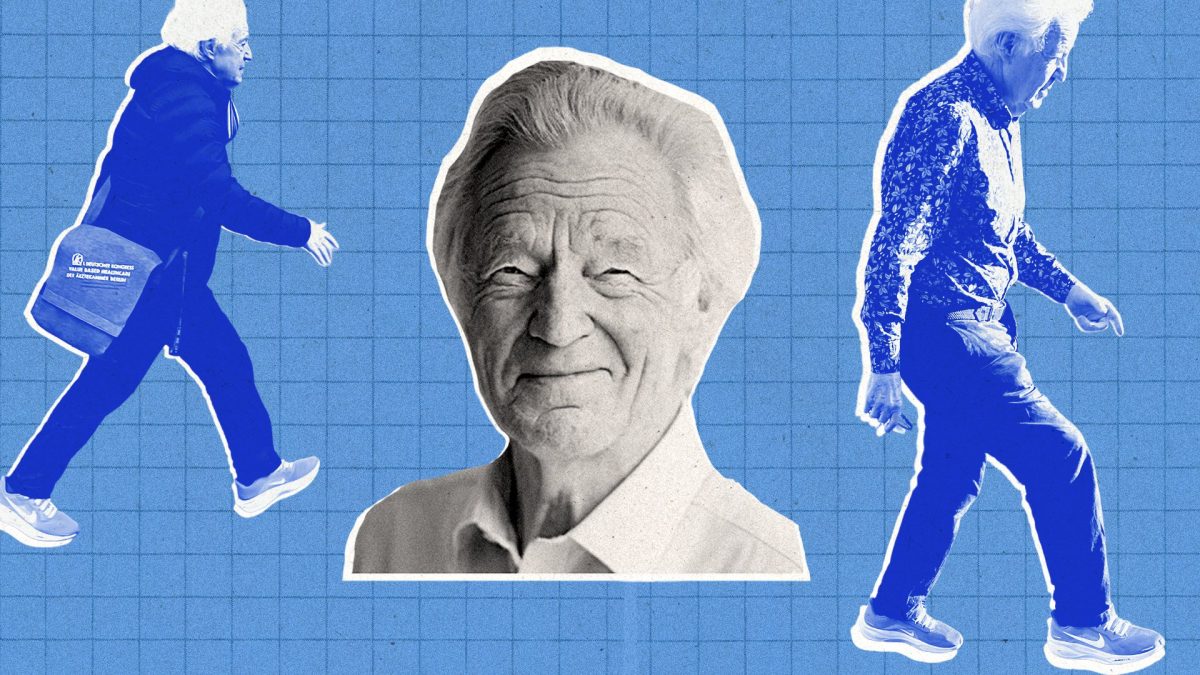
The Life and Routine of Sir Muir Gray
Sir Muir Gray, an 81-year-old doctor who has dedicated over five decades to improving the quality of life for others, has made a significant impact on public health through his work with the NHS. He resides in Oxford with his wife, Jackie, a publisher, and they recently celebrated their golden wedding anniversary. Together, they have two grown children. His mission has always been to help people live longer and better, and he continues to embody this philosophy through his daily habits.
The Importance of Daily Exercise
One of the primary challenges of modern life is inactivity. According to extensive research, 30 minutes of moderate-intensity exercise each day is the most effective way to combat this issue. Sir Muir Gray adheres to this guideline by walking briskly for 33 minutes every day. He explains that as people age, their bodies become less resilient, making it necessary to increase physical activity to maintain health. This principle is detailed in his book, Dr Gray’s Walking Cure.
As he aged, he gradually increased his walking time, starting with 31 minutes in his 60s, then 32 minutes in his 70s, and now 33 minutes in his 80s. In addition to walking, he uses this time to make phone calls, integrating productivity into his routine.
The Benefits of Brisk Walking
Brisk walking offers numerous benefits, including improved fitness, reduced risk of major health issues, and enhanced stamina. Stamina is one of the four key components of physical fitness, alongside skill, suppleness, and strength. To address these other aspects, Sir Muir begins his day with a structured routine known as the “daily dozen.”
A Morning Fitness Routine
Sir Muir typically wakes up around 7 am and spends twelve minutes on movements that focus on suppleness, skill, and strength. His routine includes:
- A two-minute plank while checking emails.
- A horizontal scissors movement with legs done 81 times (a nod to his age).
- Two minutes of upper body exercises using 5kg weights, varied to avoid boredom.
- 81 forward bends, ending with two minutes of standing on one leg while brushing his teeth.
This routine has been a part of his life for as long as he can remember, emphasizing consistency and adaptability.
A Healthy Diet and Lifestyle
Sir Muir follows a Mediterranean diet, avoiding ultra-processed foods as much as possible. His meals include:
- Breakfast: Cereal with yoghurt and banana.
- Lunch: Salad with wholemeal bread and ham.
- Dinner: Salmon with potatoes, fish pie, or shepherd’s pie.
He drinks about three glasses of wine per week and does not take any supplements. Instead, he takes seven pills a day for heart disease, including beta blockers and blood pressure medication. He also attends two gym sessions weekly, focusing on strength training with equipment designed for optimal results.
Overcoming Health Challenges
Sir Muir was once an avid runner but had a heart attack 12 years ago, which changed his lifestyle. Although he had never smoked or been overweight, the incident was unexpected. Since then, he has shifted to brisk walking and started using the NHS “Active 10” app to track his progress. Despite receiving good support initially, he notes that the NHS has not provided ongoing guidance on diet or exercise in the past 12 years, which he views as a gap in care.
Advocating for Better Health Practices
Sir Muir believes that many diseases are preventable and has long emphasized the importance of physical activity, especially for older adults. He has contributed to initiatives like the Live Longer Better programme, which aims to promote exercise prescriptions. Group activities in green environments are particularly beneficial, and he encourages people to engage in meaningful exercises, such as fundraising for charity.
Strategies for Healthy Aging
To age well, Sir Muir recommends the following steps:
- Awareness: Understand what is happening to your body as you age.
- Planning: Use resources like the Oxford Longevity Project website to create a personalized plan.
- Reducing Risk: Increase physical activity, follow a Mediterranean diet with low ultra-processed content, and accept NHS screenings or immunizations.
- Adapting the Environment: Modify surroundings to encourage movement, such as parking farther away or advocating for better pavements.
- Engagement: Volunteering and social interaction can reduce dementia risk by up to 40%, according to research.
Additional Tips for Brain Health
Maintaining good blood flow is essential for brain health, and vascular dementia shares similar risk factors with heart disease. Reducing blood pressure, eating a low-cholesterol diet, managing stress, monitoring drug use, and ensuring adequate sleep are all critical. Sir Muir sleeps well, typically falling asleep around 11:30 pm and sleeping through the night.
Post a Comment