A Century-Old Billboard Stands in Japan
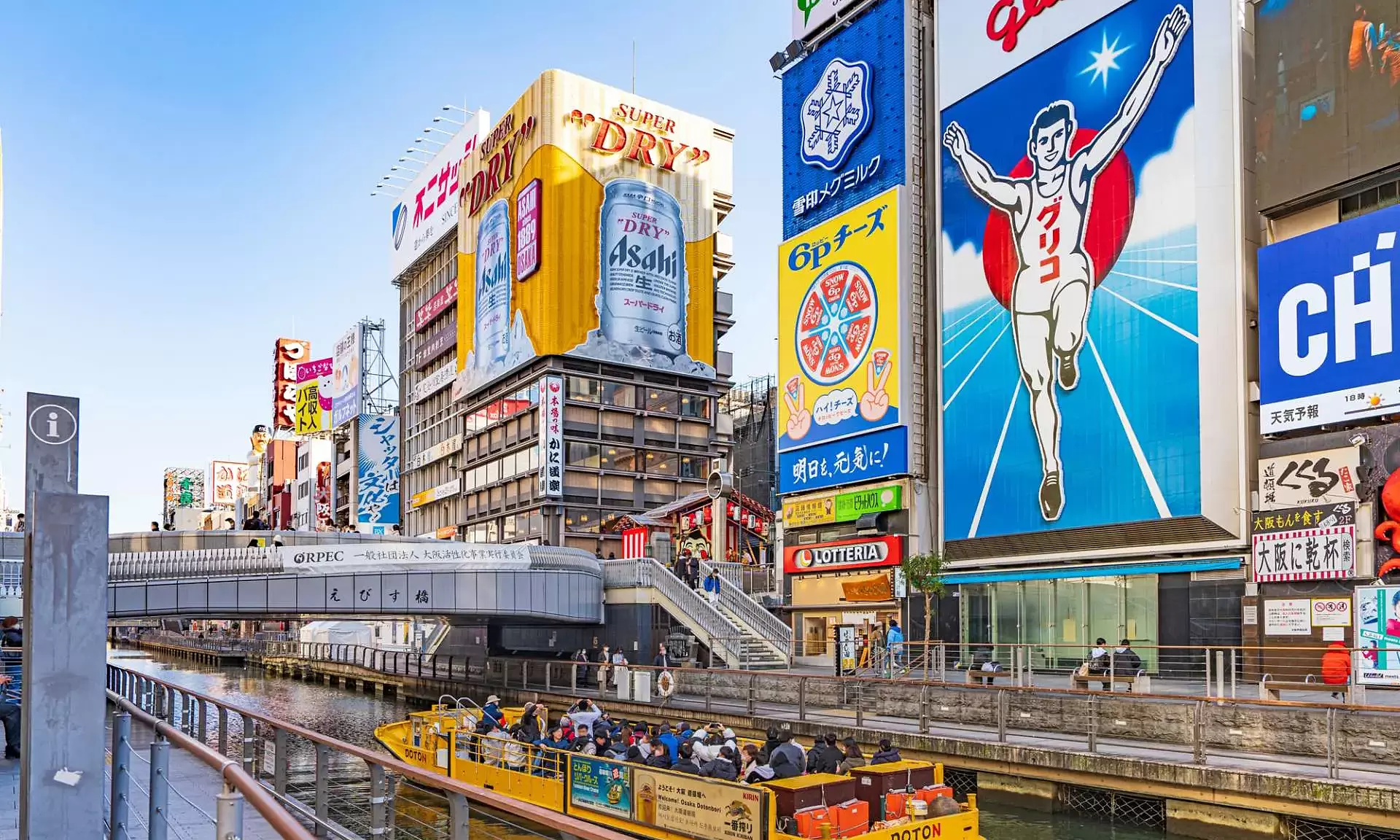
A Historical Icon in the Heart of Osaka
For over 90 years, the Glico's running man has stood as a prominent feature in Osaka’s Dotonbori District. Initially created as an advertisement for a caramel product, it has evolved into a cultural icon and one of the city’s most popular photo spots. Its presence on Ebisubashi Bridge makes it a must-visit location for both locals and tourists.
The Glico's running man is often regarded as the unofficial mascot of Dotonbori. It has remained at the same location since its debut in 1935, even as other billboards around it have changed or disappeared over time. This consistency has helped solidify its status as a symbol of Osaka's vibrant culture.
Origins and Evolution
The billboard was first installed by Ezaki Glico to promote its caramel products. The brand's history dates back to the 1920s when founder Riichi Ezaki developed Glico candy using glycogen from oysters, intending it to be a nutritious snack for children. The company linked the product with the idea that one piece could fuel a 300-meter run, which later became the image of a runner crossing the finish line with arms raised.
This image was chosen because the distance matched the caramel's calorie content. Over the years, the Glico's running man has never been replaced, although it has undergone several technological upgrades. While the position along the Dotonbori canal has remained unchanged, the design has evolved to incorporate more advanced materials and lighting systems.
Technological Advancements
In the early years, the billboard used neon lighting. However, in 2014, it was updated to an LED screen capable of displaying changing backgrounds based on seasons, events, or custom content. This modernization has allowed the landmark to stay relevant in the digital age.
Despite these changes, the core design of the runner has remained consistent across generations. Even during World War II, when the billboard was dismantled due to wartime metal shortages, it was reinstalled after the war, proving its enduring significance.
Global Recognition and Visitor Experience
Today, the Glico's running man attracts global attention through social media platforms like TikTok and Instagram. Visitors from around the world come to the spot to recreate the iconic pose of the runner with arms raised and one leg bent.
Reaching the site is easy, thanks to its central location in the Minami District. Namba Station serves as the most convenient transport hub, connecting multiple subway and urban rail lines. Travelers from Shin-Osaka Station can take the Midosuji Line toward Nakamozu and get off at Namba after about 15 minutes.
Those traveling from Osaka or Umeda stations can also reach Namba in about 10 minutes. For visitors staying in the Shinsaibashi area, walking south along the Shinsaibashi-suji shopping street for 10 minutes leads to Ebisubashi Bridge.
Getting There and Visiting
Exit 14 at Namba Station is the most convenient exit for reaching the Glico's running man. From there, visitors can walk north along the Dotonbori Canal, with Ebisubashi Bridge coming into view within three to five minutes. The billboard is located on the left side of the bridge.
Using transport cards such as ICOCA or Suica, or opting for day passes, makes travel more efficient. With multiple exits at Namba Station, using Google Maps with keywords like "Glico Sign" or "Ebisubashi Bridge" can help with navigation.
The LED lights on the billboard switch on approximately 30 minutes after sunset and remain illuminated until midnight. This makes the evening hours the most popular time for visits and photography, offering a stunning visual experience against the backdrop of the Dotonbori Canal.
Post a Comment