Urgent Arctic Freeze Alert Issued
A Rare Cold-Health Alert Impacts the Entire UK
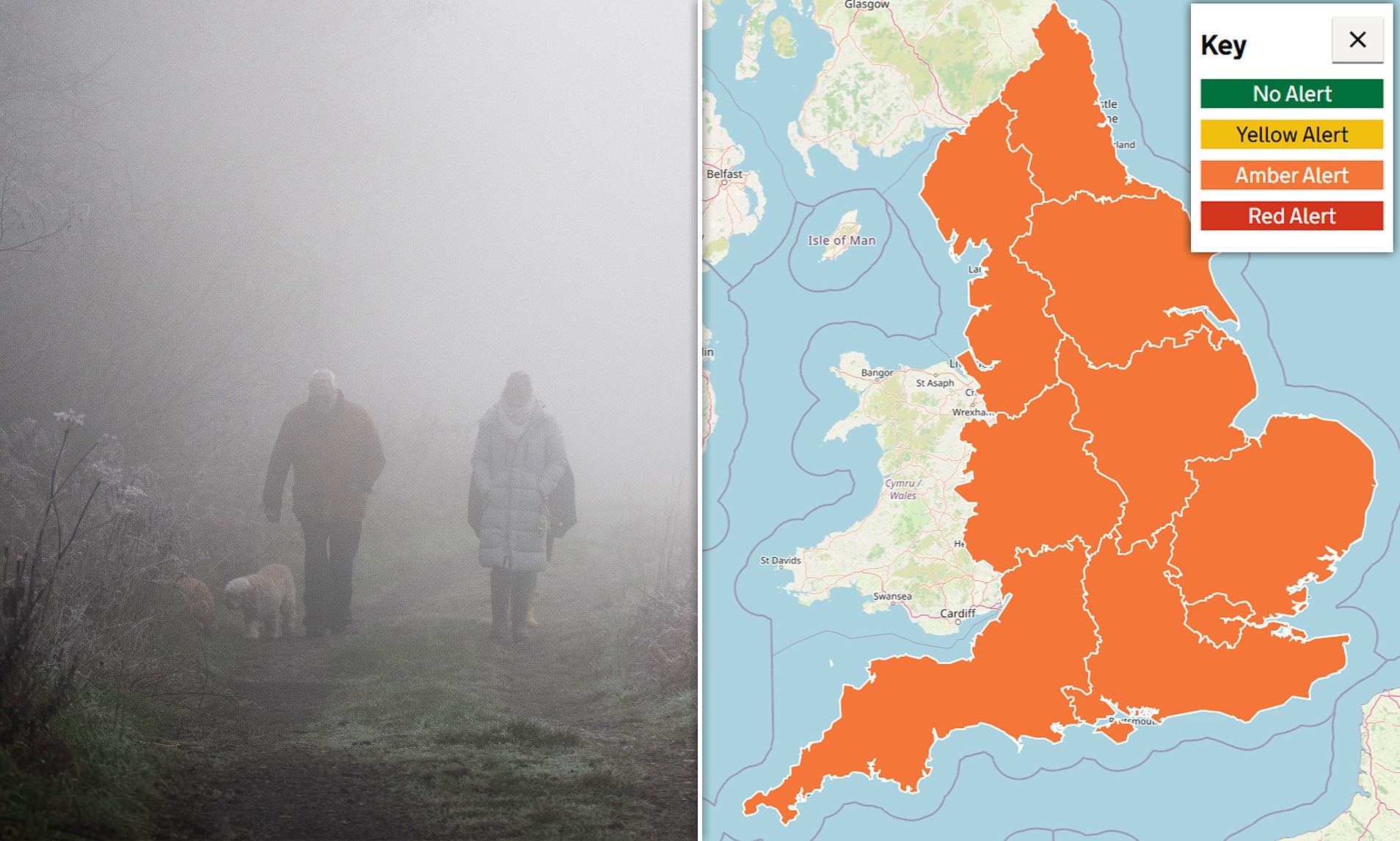
A rare cold-health alert has been issued for the entire country, signaling that the Arctic freeze sweeping in with the New Year could have severe consequences. The extreme weather is expected to last for a week, with temperatures already dropping to nearly -10°C and snow and ice forecasted across many parts of the UK, including London.
Amber cold-health alerts are currently active for all regions of England from 8pm this evening until the morning of January 6. These warnings indicate that the weather is likely to have significant impacts on public health, potentially leading to excess deaths among individuals over 65 and possibly affecting younger age groups as well. The government advises that people may struggle to maintain indoor temperatures above 18°C, and critical facilities such as hospitals and care homes could also face challenges.
Travel delays are anticipated, which might lead to staffing and service issues in various sectors. The UK Health Security Agency (UKHSA) has partnered with the Met Office to issue these alerts, although it's important to note that Wales, Scotland, and Northern Ireland are also experiencing the cold snap. Yellow warnings for snow and ice have been issued for these regions, extending to all four parts of the UK.
Dr. Paul Coleman, a health protection consultant at the UKHSA, emphasized that the coming days will be very cold across England. He warned that low temperatures can have serious health impacts, particularly for older people and those with pre-existing conditions. Exposure to the cold increases the risk of heart attacks, strokes, and chest infections. It is crucial to check on vulnerable friends, family, and neighbors during this time.
The Met Office has issued a yellow snow and ice alert covering large areas of England and Wales, including Chester and Greater Manchester down to Kent. Some regions may see up to 5cm of snow, especially in higher ground areas like North Wales and north-west England. Separate yellow warnings have also been issued for Northern Ireland and northern Scotland.
Transport disruptions are expected, with longer journey times by road, bus, and train services. The Met Office has also warned of injuries due to slips and falls on icy surfaces, which may develop quickly as sleet and snow clear.
The cold snap has already affected the UK, with Brits waking up to heavy frosts and freezing fog. The Met Office has issued several weather warnings, including snow and ice for northern Scotland, wind for North East Scotland, and snow and ice for Northern Ireland and parts of England and Wales.
New Year’s revelers have been advised that it will be cold regardless of their location as they head out for firework displays. In London, temperatures around midnight are expected to be just above freezing, while in Cardiff, the temperature will be slightly warmer. Edinburgh is expected to experience wind gusts of up to 25-30mph, along with a chance of showers and hail.
The UK Health Security Agency has issued amber cold health alerts for the North East and North West of England, which will remain in place until noon on January 5. Temperatures are expected to fall to 3-5°C during this period. The rest of England is covered by a yellow cold health alert, with concerns over 'significant impacts across health and social care services'.
The Met Office predicts 2cm to 5cm of snow by Friday morning, with higher amounts in certain local areas and even more on high routes and hills. The forecaster added that temperatures in the Highlands have already dropped to -8.4°C, with similar lows expected this week.
Met Office deputy chief forecaster Mark Sidaway highlighted that the UK is experiencing a taste of winter, with Arctic air and strong northerly winds bringing cold or very cold conditions. Widespread frosts and the first snow of the winter are expected, with more warnings for snow and ice likely as the new year progresses.
The UKHSA noted that the cold weather could impact younger people and increase demand for health services. It also warned that temperatures inside places like hospitals and care homes may drop below recommended levels, posing risks to vulnerable individuals.
As the cold spell continues, it is essential for people to stay informed about the latest forecasts and warnings. The situation remains fluid, and the potential for life-threatening cold conditions is a growing concern across the UK.
Post a Comment