Small Eateries in China Struggle as Spending Slumps
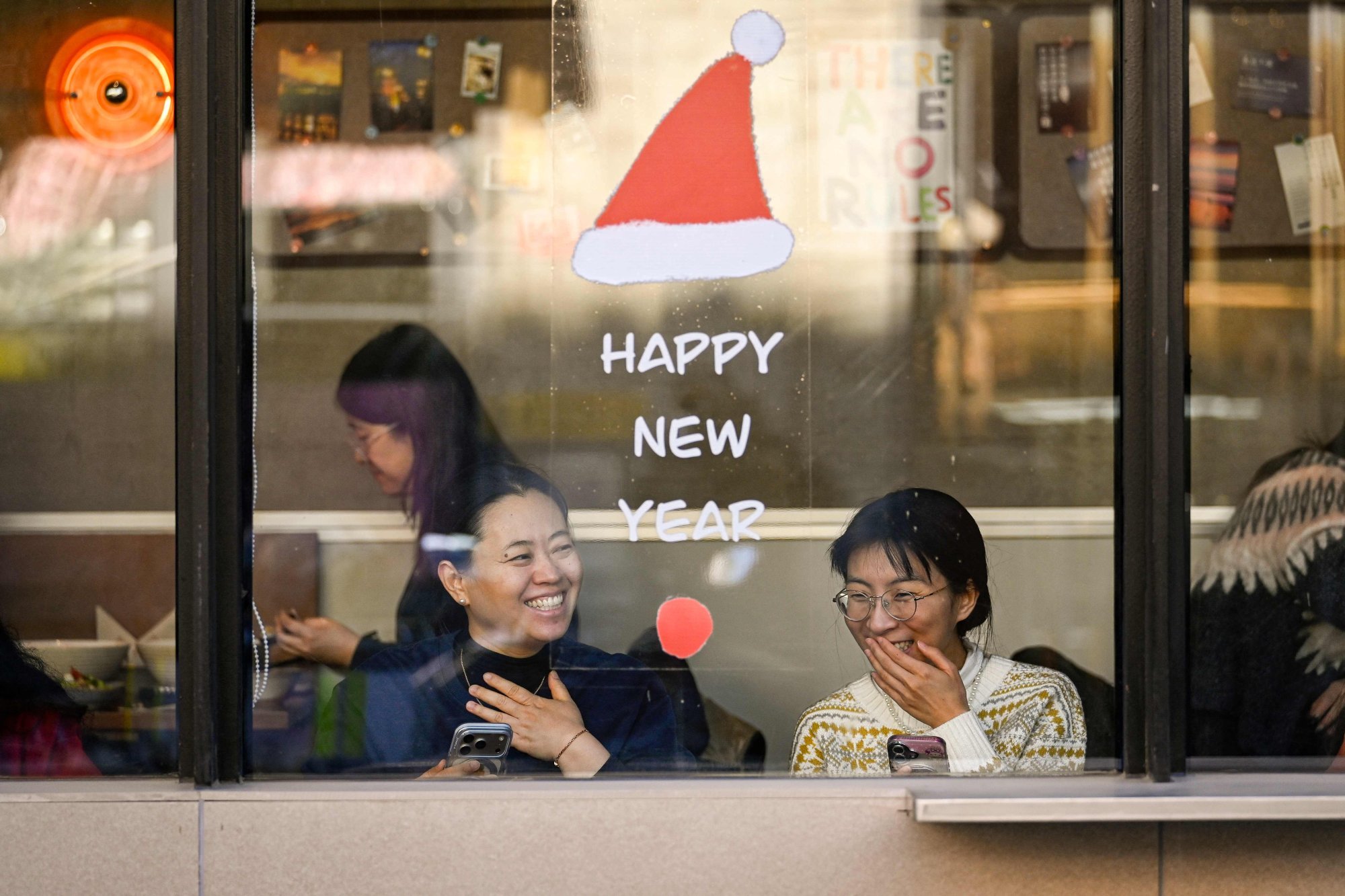
The Struggle of Small Restaurants in Mainland China
Small restaurants across mainland China are experiencing a significant downturn as budget-conscious consumers avoid dining out due to economic uncertainty and pessimism about their income. This shift has had a severe impact on the catering sector, which is a vital source of employment for over 20 million people.
Zhang Hongbin, owner of a canteen serving noodles and dumplings in Shanghai's Pudong New Area, shared his experience of this challenging period. "My family used to live on the restaurant, which generated strong cash flow for us," he said. However, the situation has changed dramatically, with fewer customers leading to revenue that fails to cover essential costs like rent, salaries, and food supplies.
The decline began in July and is expected to continue, especially during the winter season, which is typically a low period for restaurants. Zhang's story reflects the broader struggles of many small businesses in the catering industry, where persistent deflationary pressures have led to a downward spiral.
According to data from the National Bureau of Statistics, restaurant takings in the first 11 months of 2025 increased by 3.3% compared to the previous year, reaching 5.2 trillion yuan (US$744 billion). However, this growth rate is slower than the 4.1% increase in retail sales during the same period. In 2024, restaurant spending rose by 5.7% to 5.57 trillion yuan.
Chen Xiao, CEO of Shanghai Yacheng Culture, highlighted the challenges faced by mid- and small-size catering businesses. He noted that these establishments are losing customers as low-income consumers become more cautious about their spending. Data provider Canyin88.com reported that per-capita spending per meal had dropped by 23.6% since 2023 to 33 yuan.
In major cities, widespread closures have occurred, with some areas witnessing a significant number of restaurants shutting down or changing hands. On Lancun Road in Shanghai, Zhang mentioned that a third of more than 30 restaurants had either closed or been sold due to financial pressure. Monthly sales in these shops ranged from 200,000 yuan to 400,000 yuan.
This dire scenario is unprecedented in the past two decades. Economic insecurity, fueled by falling home prices, has deterred consumers, including the country's 400 million middle-income residents, from freely spending on meals and daily essentials such as clothing.
The average selling price of fast-moving consumer goods, including toothpaste, bottled water, and snacks, declined by 2.4% from a year earlier in the first three quarters of 2025, according to global consultancy Bain & Co and market research firm Kantar Worldpanel. Rachel Lee, general manager of Kantar in China, suggested that consumers might increase their purchase volume driven by anticipated price cuts from retail brands in the coming year.
Zhang Sheng, a white-collar clerk in Shanghai earning about 10,000 yuan a month, explained that many middle-income consumers are worried about potential job losses. "As we reduce the frequency of dining in restaurants, we can save several hundred yuan a month for the rainy days ahead," he said.
The catering industry's struggles in China date back to 2013 when the Communist Party initiated efforts to curb extravagant spending under President Xi Jinping's anti-corruption campaign. The sector was further impacted by strict Covid-19 policies between 2020 and 2022. However, business did not rebound to pre-pandemic levels after the policies ended in early 2023, as the property slump continued to affect the economy.
In November, Yum China Holdings, the operator of KFC and Pizza Hut chains, announced plans to expand into lower-tier cities. This strategy involves flexible store formats and a low-price approach to sustain business. Capital spending for a KFC outlet in smaller cities now ranges from 500,000 yuan to 700,000 yuan, compared to a 1.7 million yuan investment for a store in larger cities.
Post a Comment