Medical Firm Behind Controversial Eye Color Procedures Files for Bankruptcy
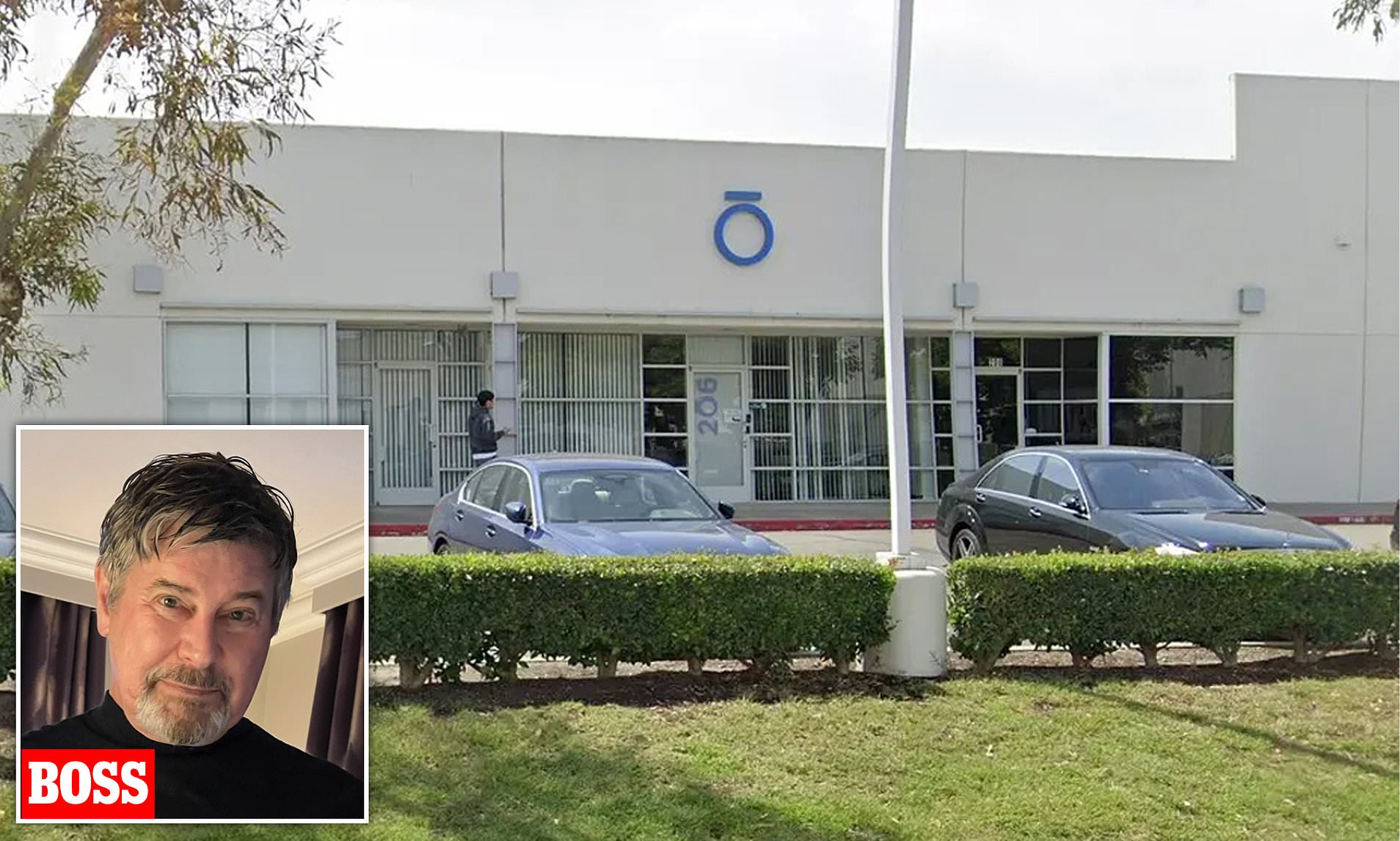
The Rise and Fall of Stroma Medical Corporation
Stroma Medical Corporation, a California-based medical company that once captured national attention with its promise to permanently change eye color to blue, has recently filed for Chapter 11 bankruptcy. This development marks the end of an era for a company that had once been at the forefront of a controversial and innovative technology.
In 2011, Stroma gained significant media attention when it unveiled a laser device that claimed to safely transform brown eyes into blue. Despite the procedure's potential, it never received approval in the United States. Now, the company is facing financial difficulties that have led to its bankruptcy filing.
Chapter 11 bankruptcy allows businesses to restructure their debts while continuing operations. This process can provide a company with a chance to recover and stay afloat. However, for Stroma, the situation has become increasingly dire. Although the company raised $70 million since 2009, recent filings show that it now owes over $2 million. These debts include more than $1 million to a Canadian engineering firm, thousands to multiple consultants, and even $160 to OpenAI.
The most significant legal challenge comes from former employee Samuel Blumberg, who is owed $1.46 million. The conflict between Stroma and Blumberg began in 2020, leading to a lawsuit over payment issues, company debts, and the management of his departure. Blumberg worked as a consultant for Stroma starting in 2012, receiving stock options instead of a paycheck. He also loaned the company $130,100 of his own money. In 2016, he accepted a full-time role with a modest salary of $18,000, while still receiving stock options.
After leaving the company in 2017, Blumberg signed a severance agreement that allowed him to retain his stock options as payment for five years of work, provided he met certain conditions. However, he claims he received nothing, and Stroma accused him of sharing confidential information and breaking the contract.
Over the years, Stroma faced several courtroom setbacks. In June, a California appellate court confirmed a lower court's decision that the company owed Blumberg over $1 million in punitive damages along with a $270,130 award. A month later, the Supreme Court turned down the company’s petition for review. Stroma returned to the Supreme Court in October, claiming Blumberg forfeited his stock options when he violated the contract. The company also alleged that Blumberg received a $130,100 check, including interest, though the court's response remains unclear.
The company's recent legal defeats led to its Chapter 11 filing, which pauses civil cases and allows Delaware's business-friendly bankruptcy court to manage ongoing disputes. Gregg Homer, Stroma's chairman and chief science officer, stated that the bankruptcy filing was intentional, providing a new legal avenue to fight the punitive damages and potentially overturn them.
Homer expressed hope that raising $25 million in funding would give Stroma breathing room and improve its chances of securing the funds. The company still plans to start a clinical study for the procedure in Germany next year, despite the delays and challenges.
When Stroma first announced clinical trials for the controversial procedure in the US over a decade ago, they estimated the technology would be available to Americans within three years. However, this deadline has long passed.
Before the company was founded, scientists explored eye color as a predictor of personality, finding that dark-eyed children tended to be bolder, while light-eyed individuals were more likely to misuse alcohol. Homer often emphasized that brown eyes are equally beautiful but believed people should have a choice in the matter. His plans faced criticism for tampering with inherited family genetics and promoting a limited, Westernized notion of attractiveness.
Blue eyes are becoming increasingly rare in the US due to immigration trends and more children born to interracial couples. By 2006, only one in six Americans had blue eyes, compared to 50% of Americans born around 1900.
In 2015, Stroma revealed plans to offer the procedure for $5,000. The technique involved using 'scavenger cells' to digest and remove pigment from the iris surface. The procedure used a computer-guided, low-energy laser on the iris to break up the brown pigment. A precise laser frequency then traveled through the eye’s clear cornea before being selectively absorbed by the dark pigment of the iris. This caused the body to initiate a natural and gradual tissue-removal process, revealing the patient's natural blue eye.
With the pigment removed, light enters tiny fibers in the eye. As the light scatters, only the shortest wavelengths bounce back, giving the eye its blue color. According to reports, the procedure takes only 20–30 seconds, and within two weeks, the eyes achieve a permanent blue color. Stroma did not immediately respond to Daily Mail's request for comment.
Post a Comment