I traded my trainer for AI – and it's working
The Rise of AI in Fitness: A New Era of Personal Training
As the new year begins, many people look to kickstart their fitness journeys after a season of indulgence. However, the fitness landscape is evolving, with artificial intelligence (AI) offering an alternative to traditional personal trainers. From tailored workout plans to real-time support, AI is making waves in the industry.
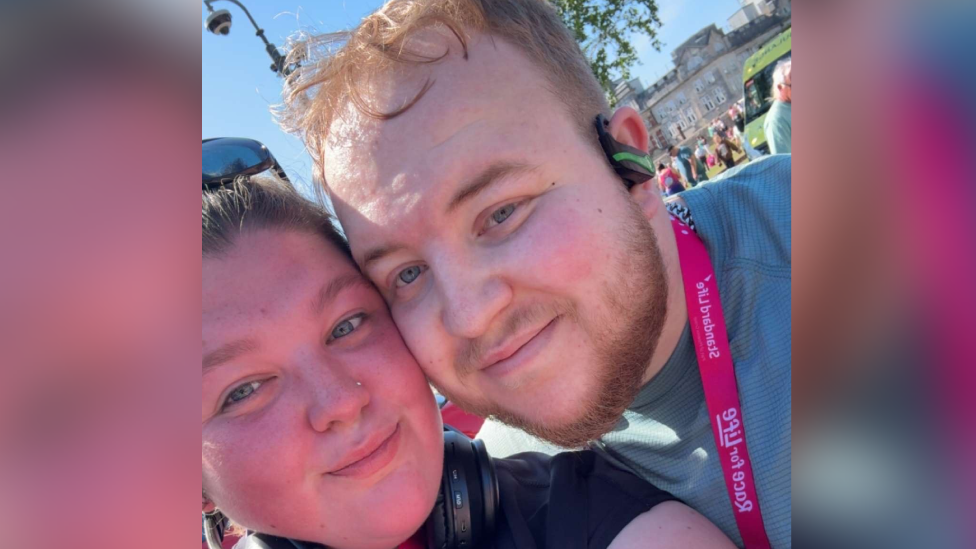
Richard Gallimore, a 23-year-old from Swansea, has been using AI for his fitness and diet plans. He claims he feels "the strongest I've ever been," having increased his bench press from 70kg (150lb) to 110kg (240lb). His journey began when he realized how unfit he had become, especially after walking a fundraiser run in May. "I just knew I needed to sort myself out," he said. Using an AI tool, Richard created a structured workout and diet plan that helped him reach his goals. He trains for about two hours a day and credits AI for helping him achieve his "full potential." For Richard, AI is not just a tool—it’s a daily necessity.
Leah Walsh, a 21-year-old from Aberdare, also found success through AI. She used an AI tool to prepare for her second half marathon, achieving a personal best. Leah appreciated the flexibility of being able to ask questions at any time, something she felt was lacking with a personal trainer. She described the process as quick and convenient, allowing her to tweak her training schedule to fit her lifestyle. This year, she opted for a more cost-effective AI tool, even though it lacked some features of the previous app. "If a personal trainer did a plan for you, you can't message them at midnight," she noted.
Despite the benefits of AI, some professionals believe it cannot fully replace human trainers. Dafydd Judd, a 37-year-old personal trainer from Cardiff with 12 years of experience, sees AI as a valuable tool that can speed up progress. However, he emphasizes the importance of the "human connection" and "accountability" that come with in-person coaching. "People still value the human element," he said. "They want the warmth from the understanding that is missing from a computer."
The financial aspect of fitness is another consideration. According to a Which? survey, the average UK gym membership costs £38 a month, with prices ranging from £23 to £132. Personal trainers typically charge between £30–£65 per session, depending on location. For many, these costs can be prohibitive, making AI a more accessible option. Richard chose AI over a personal trainer because it is free and allows him to work at his own pace. "I couldn't live without it," he said, highlighting how integral it has become in his routine.
Dafydd acknowledges that AI can educate clients, remove guesswork, and make coaching more effective. However, he believes that real commitment comes from showing up in person. "As useful as it is at 2am, a computer won't keep you accountable at 7am before work," he added. He also pointed out that for many, the gym is a place to disconnect from screens and focus on physical activity.
While AI continues to gain traction, the debate over its role in fitness remains ongoing. Some see it as a helpful supplement, while others believe the human touch is irreplaceable. As technology advances, the fitness industry will likely continue to evolve, blending the best of both worlds. Whether it's AI or a personal trainer, the goal remains the same: to help individuals achieve their health and fitness objectives.
Post a Comment