Era of Impunity Ends at Airports – FAAN Official Says
Assessing the Aviation Industry in 2025
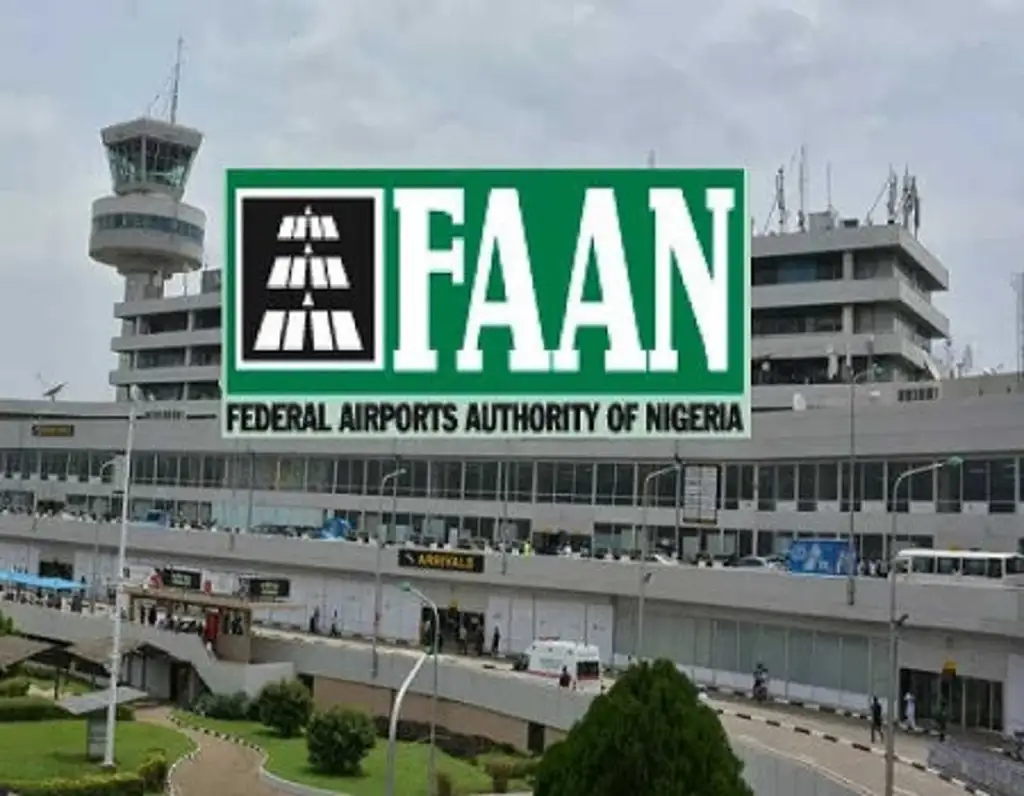
As 2025 comes to a close, the aviation industry in Nigeria has seen significant developments, particularly in airport operations. This year marked a turning point for the Federal Airports Authority of Nigeria (FAAN), as infrastructure renewal transitioned from planning to execution. A major milestone was the approval of the Renewed Hope Airport Upgrade Project, with Murtala Muhammed International Airport (MMIA) in Lagos serving as the flagship. The project represents a commitment to modernizing the country’s airport infrastructure and enhancing the overall travel experience.
Infrastructure Upgrades and Passenger Experience
FAAN has invested heavily in various aspects of airport operations, including terminal aesthetics, infrastructure upgrades, passenger facilitation, airside improvements, and quality assurance through the Airport Service Quality programme. The shift from reactive maintenance to proactive infrastructure renewal has been a key focus. This approach ensures that airports meet international standards and provide a seamless experience for travelers.
One of the main challenges FAAN faced this year was the issue of touting and begging at airports. To address this, a multi-agency task force was established under the leadership of Managing Director Mrs. Olubunmi Kuku. The initiative included technology-driven solutions such as QR code-based passenger feedback systems, which allow travelers to report incidents in real time. Stakeholder engagement with security agencies, terminal operators, and concessionaires has also been strengthened. These efforts have led to a noticeable reduction in the visibility of touts and an improved sense of safety among passengers.
Ongoing Refurbishment and Future Plans
The ongoing refurbishment of the airport is progressing well, with work already underway on the landside infrastructure. The construction of the temporary terminal building is nearly complete and is expected to be ready by mid-January 2026. This facility will temporarily accommodate staff, airlines, and other operations that are being relocated from the old Terminal 1. Once the relocation is complete, full-scale upgrade works will begin, ensuring that passenger operations continue without disruption.
There have been concerns about the planned apron expansion affecting some charter operators’ hangars. However, FAAN has taken a collaborative approach, engaging with affected operators to identify and resolve issues through consultations. Relocation plans are already in place, and the goal is to create a more efficient, safer, and commercially viable airport environment for all stakeholders.
Preparing for 2026
With 2026 now underway, Nigerians can expect a more efficient and technology-driven passenger facilitation process, especially at MMIA. The temporary terminal will complement the new Terminal 2 during the upgrade phase, and deeper stakeholder collaboration will lead to improved service quality and better terminal ambience. Passengers are encouraged to adopt behaviors that promote cooperation and compliance with procedures, such as respecting queue systems and using feedback platforms.
Ensuring Smooth Operations During Festive Periods
In anticipation of increased passenger traffic during the festive season, FAAN has implemented several measures to ensure smooth operations at high-traffic airports like MMIA. These include enhanced passenger support, inter-agency coordination, arrivals management, and infrastructure contingency planning. Dedicated augmentation teams have been deployed to provide real-time information and manage queues effectively. Coordination with security and border control agencies has also been strengthened to streamline processes and minimize delays.
These operational strategies are being applied across all FAAN-managed domestic terminals, with reinforced ground staff and continuous monitoring of facility management systems. Domestic airline operators are also involved in managing check-in queues and mitigating the impact of flight delays.
Addressing Complaints and Unethical Conduct
To address service failures and curb illegal solicitation, FAAN has adopted a two-tiered approach: procedural management and passenger empowerment. Incident management includes ensuring basic amenities are available and facilitating communication between passengers and airlines. The authority maintains a zero-tolerance policy against illicit solicitation, with active surveillance and enforcement, as well as campaigns to raise passenger awareness.
Multiple reporting channels, including QR codes linked to direct complaint lines, have been introduced to enable real-time reporting of issues. Collaboration with security agencies has also been intensified to maintain a balance between security and efficiency during peak travel periods.
Final Message
FAAN remains focused on execution rather than excuses, acknowledging the challenges posed by its extensive infrastructure development programme. The outcome will be significantly upgraded facilities, and the authority appeals for the understanding and patriotism of passengers. The goal is to ensure every traveler experiences a safe, secure, and increasingly efficient gateway.
Post a Comment