Eat More, Lose Weight: Experts Reveal the Power of Volume Eating
The Challenge of Traditional Dieting
Many people make bold resolutions at the start of the year, such as losing weight and keeping it off. However, traditional dieting often focuses on calorie restriction, which can lead to feelings of hunger, dissatisfaction, and a lack of motivation. While the day might begin with a nutritious breakfast, by lunchtime, many feel the need for something more satisfying, and by dinner, they're left feeling even hungrier.
This cycle can leave millions feeling helpless in their efforts to manage their weight. Some individuals may even consider extreme measures like bariatric surgery or costly weight loss treatments. According to Dr. Federica Amati, a leading nutritionist and scientist behind ZOE nutrition, there's a better approach: volume eating.
The Concept of Volume Eating
Volume eating involves consuming more food, but not necessarily more calories. It's about choosing foods that are low in calories per bite, allowing you to feel full without overeating. This method works by focusing on nutrient-dense foods that provide more volume and satisfaction.
Dr. Amati explains that traditional diets often focus on reducing calories, which can trigger the body's defensive mechanisms. Metabolism may slow down, hunger hormones increase, and satiety hormones decrease, making it harder to stick to the diet. Psychologically, rigid dieting is difficult to maintain, leading to cycles of restriction and overeating.
Benefits of Volume Eating
One of the key benefits of volume eating is its ability to increase fiber intake. The NHS recommends adults consume around 30g of fiber daily, but the average Briton only gets about 20g. Fiber plays a crucial role in digestion, helping food move through the digestive system and supporting the gut microbiome.
Low-fiber diets are linked to higher rates of bowel cancer and weight issues. A recent report highlighted a nearly 40% rise in type 2 diabetes due to the obesity crisis in the UK. Fiber helps slow gastric emptying and digestion, contributing to sustained fullness after meals.
Practical Food Swaps
Experts recommend several easy swaps to incorporate volume eating into your daily routine:
Breakfast: Swap Sugary Cereals for Porridge
Sugary cereals are high in added sugar and low in fiber. Porridge, on the other hand, is more filling and supports blood sugar balance. Adding fresh fruit, nuts, and seeds can enhance its nutritional value.
Lunch: Swap Sandwiches for Salads or Grain-Based Bowls
Supermarket sandwiches are often packed with empty calories and additives. Opting for salads or grain-based bowls can save calories and provide more protein. Pairing these meals with lean meats or nuts can boost protein intake and keep you fuller longer.
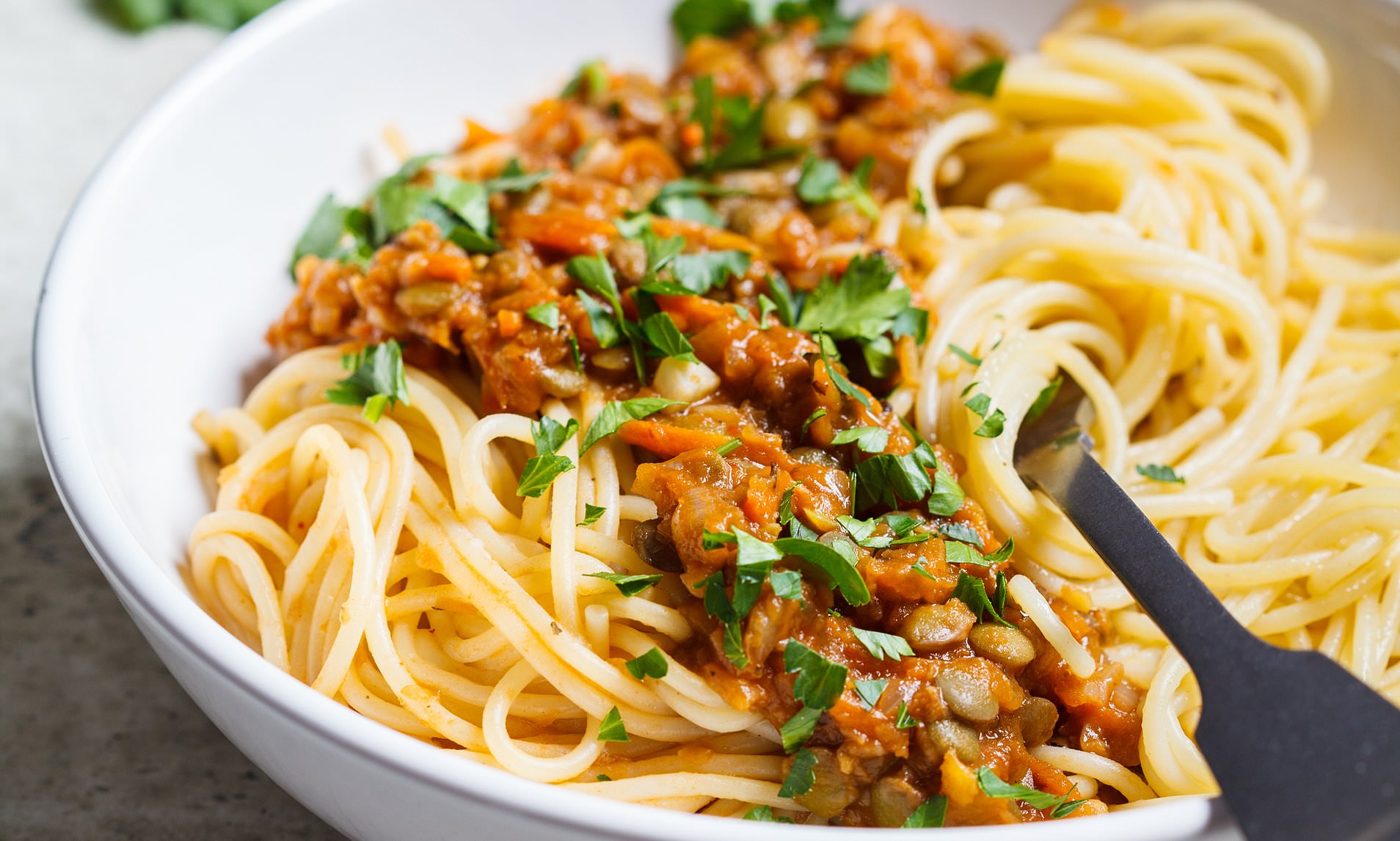
Dinner: Add to Your Pasta and Swap Rice for Lentils
Red lentils are significantly lower in calories than rice, allowing you to eat more while consuming fewer calories. Adding vegetables, pulses, or whole grains to familiar dishes can increase fiber and texture without restricting food types.
Snacks: Swap Biscuits for Popcorn
Popcorn is a healthier alternative to chocolate biscuits, offering more fiber and controlling hunger. The additional fiber helps slow digestion, making it a better choice for maintaining satiety.
Conclusion
Volume eating offers a sustainable and effective way to manage weight without feeling deprived. By focusing on whole foods, fiber, and water-rich ingredients, individuals can enjoy satisfying meals while naturally consuming fewer calories. This approach supports gut health, blood sugar control, and long-term adherence, making it a promising alternative to traditional dieting methods.
Post a Comment