Daily Mail exposes top bottled waters with cancer-linked chemicals
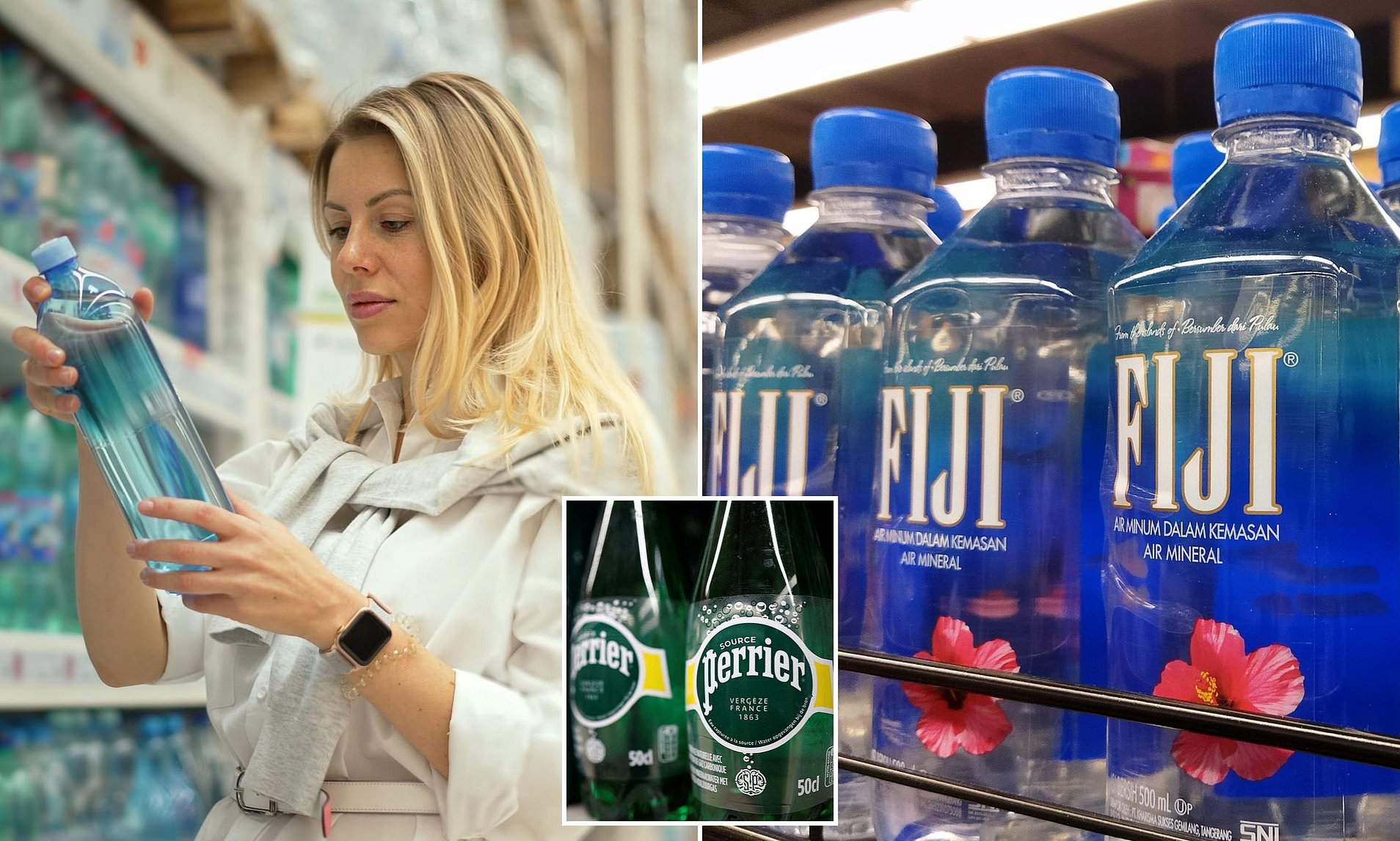
The Hidden Dangers of Bottled Water
Bottled water is often considered a safer alternative to tap water, as it is typically filtered and free from lead, agricultural pesticides, and industrial pollutants that may not be fully removed by municipal water systems. However, recent lab tests have revealed a surprising truth: the price of a bottled water does not necessarily correlate with its purity.
Tests commissioned by the consumer watchdog app Oasis Health found that plastic-derived 'forever chemicals' are widespread in bottled water, regardless of brand or price. These chemicals, known as PFAS (per- and polyfluoroalkyl substances), are used to coat the inside of plastic bottles and their caps to prevent leaks. They are byproducts of plastic production and can take decades or even centuries to break down in both the environment and the human body.
Over time, these chemicals accumulate in the environment and the body, seeping into the water and food supply. When PFAS accumulate in the body's tissues, they disrupt essential biological processes. This includes interfering with hormone regulation, sabotaging the body’s ability to clear out bad cholesterol, promoting cancer-causing inflammation, and, in pregnant women, disrupting fetal development, potentially leading to learning and developmental delays later on.
Many people choose glass bottles to avoid the toxins associated with plastic, but testing has shown that even water in glass bottles can be contaminated with PFAS. This contamination can occur during the purification process, when water is stored or filtered through plastic systems.
The Environmental Protection Agency (EPA) sets a PFAS exposure limit at 0.4 parts per trillion (ppt), but most researchers agree on a lower health guideline of 0.1 ppt. Oasis analysts scored thousands of bottled water brands, including Deer Park, SmartWater, Dasani, and Fiji, among others. Their scoring methodology uses a comprehensive, points-based system. For each product, a base score out of 100 is adjusted using penalties for risks and bonuses for transparency. The closer the ranking gets to 100, the less contaminated the product is.
Bottled water is penalized for missing third-party lab reports, the presence of contaminants, unsafe packaging materials like certain plastics, or sourcing from municipal supplies. Bonuses are awarded for brand transparency, such as publishing test data. The final score places the product into a clear risk band, from ‘Excellent’ (90–100) to ‘Very Poor’ (below 60), providing a standardized, science-backed way for consumers to compare the health safety of products within the same category.
In most instances, Oasis analysts did not specify the types of forever chemicals found in different bottles. PFAS is a category that encompasses hundreds of molecules, each with its own risk profile, some known and some unknown. Without knowing the specific chemical involved, it is difficult to gauge the risk associated with picking up a bottle of that water at the store.
PFOA, a type of PFAS, has strong links to kidney and testicular cancer, as well as liver damage and thyroid disease. PFOS, another type of forever chemical, is most closely associated with kidney and thyroid cancer, as well as liver damage and high cholesterol.
Many of the worst performers contained PFAS concentrations of about 0.2 ppt, which is roughly double the health guideline for the chemicals agreed upon by environmental scientists across a wide body of research. However, there were two standouts with even worse scores. Topo Chico had 3.9 ppt, and Perrier had 1.7 ppt, which is 39 times and 17 times the safe limit, respectively. Deer Park had PFAS concentrations at 12 times the safe limit.
Essentia, Dasani, Smartwater, and Aquafina also each contained PFAS at a level of 0.2 parts per trillion (ppt). Fiji was the only product that didn't exceed PFAS levels, with 0.05 ppt, but it did test positive for arsenic. While this trace amount is extremely low, it is still twice the EPA's stringent 0.004 ppt health advisory goal for PFOA, one of the most toxic PFAS chemicals. This indicates that even waters marketed as pure or enhanced contain these persistent industrial pollutants.
Most alarming was Perrier Sparkling Water's high concentration of HFPO-DA (also known as GenX), a common PFOA replacement. Research, though less extensive than for PFOA or PFOS, indicates concerning health effects of GenX exposure. Animal studies have pointed to an elevated risk of liver toxicity, lesions in the kidneys, and atrophied pancreas. GenX is likely carcinogenic in humans, according to the EPA, based on animal studies that have linked the chemical to liver, pancreas, and testicular tumors.
Many public health experts and organizations argue that there is no truly safe level of exposure to PFAS like PFOA and PFOS due to their extreme persistence, bioaccumulation, and toxicity at very low doses. The problem is escalating as scientists link harmful health effects to increasingly minuscule PFAS concentrations. As a result, official ‘safe’ limits for these chemicals in drinking water become obsolete almost as soon as they are set.
For example, the EPA's recommended limit for PFOA alone has plummeted from 400 ppt in 2009 to 70 ppt in 2016; today, some states enforce limits as low as 0.1 ppt. This drastic tightening applies to just one of thousands of PFAS compounds. Research shows people typically carry a mixture of multiple PFAS in their bodies simultaneously. It is now believed that over 200 million Americans have PFAS in their tap water.
Post a Comment