Big Shifts Ahead for Electric Vehicles in Australia This Year – Key Info Revealed
The Rise of Electric Vehicles in Australia
Australia is witnessing a significant shift in its automotive landscape, with more electric utes, sports cars, and hatchbacks expected to hit the roads. This trend is driven by increasing consumer demand and the introduction of new models that are both affordable and high-performing. The cheapest EV car on the market is set to start at $23,990, making it an attractive option for budget-conscious buyers.
Experts predict that the Australian electric vehicle (EV) market will see substantial changes in 2026, including potential regulatory upheaval. A road-user charge is being considered as part of the national agenda, along with a review of tax exemptions for electric vehicles. These changes could significantly impact the local automotive industry and affect Australia's goal of reducing emissions by between 62 and 70 per cent by 2035.
In 2025, over 153 electric and plug-in hybrid cars were available for sale in Australia, with many more models set to arrive this year. This includes several models from BYD, such as an electric hatchback poised to break price records at $23,990. Additionally, Polestar is launching a high-end luxury sports car that promises to reach 100km/h in less than four seconds.
Traditional auto brands are also expanding their electric offerings. Mazda has announced plans to launch its 6e sedan, while Toyota has reduced the price of its bZ4x SUV update and confirmed the launch of an electric HiLux ute. These developments signal a growing commitment from established manufacturers to embrace electric mobility.
Professor Hussein Dia from Swinburne University's future urban mobility department highlights that the market is moving in the right direction, with more lower-priced models becoming available. He notes that some of these launches may be influenced by the New Vehicle Efficiency Standard introduced in January, which encourages automakers to avoid penalties for exceeding emission targets.
Sales of new electric, plug-in hybrid, and hybrid vehicles have all increased in recent years, according to the Federal Chamber of Automotive Industries and the Electric Vehicle Council. However, petrol and diesel car sales have declined. Regulatory changes could alter this trajectory, as Federal Treasurer Jim Chalmers announced a review of tax exemptions for electric cars that have been in place since 2022.
Almost 100,000 electric cars have been purchased through the exemption, surpassing expectations. A road-user charge is also under consideration, which could apply to electric vehicle drivers who currently do not pay fuel excise. Prof Dia warns that introducing charges and removing discounts before electric cars make up 30 per cent of new car sales could slow adoption and hinder environmental goals.
"I hope it doesn't end up being just an electric vehicle tax and that it will be an opportunity to revisit the whole taxation system," he said. "We would like it applied to all vehicles."
A public consultation into the electric car discount will be open until February 5.
10 Electric Cars Arriving in 2026
- BYD Atto 1 ($23,990): This hatchback could be the cheapest electric car on the market when it arrives in Australia, with the base model promising a range of 220km and fast-charging.
- Polestar 5 ($171,000): This Porsche rival packs in plenty of luxury features. The base model comes with two motors and will hit 100km/h in 3.9 seconds.
- Hyundai Elexio: Due early in the year, this mid-sized SUV features a futuristic design and a battery that promises to travel more than 500km per charge.
- Honda Super-ONE: It might look like a toy car but this compact vehicle is real, designed for urban driving, and will launch in the second half of 2026.
- Mazda 6e: The popular Japanese car brand will add an electric sedan to its fleet in mid-2026. The 6e will feature a rear motor and a range of more than 500km.
- Toyota HiLux EV: Australia's most popular car brand will deliver an electric version of its HiLux ute in the first half of 2026. Its price is tipped to fall between $90,000 and $100,000.
- Kia PV5: An electric van will join Kia's line-up of SUVs and sedans late in 2026, and promises a range of up to 412km from its base model.
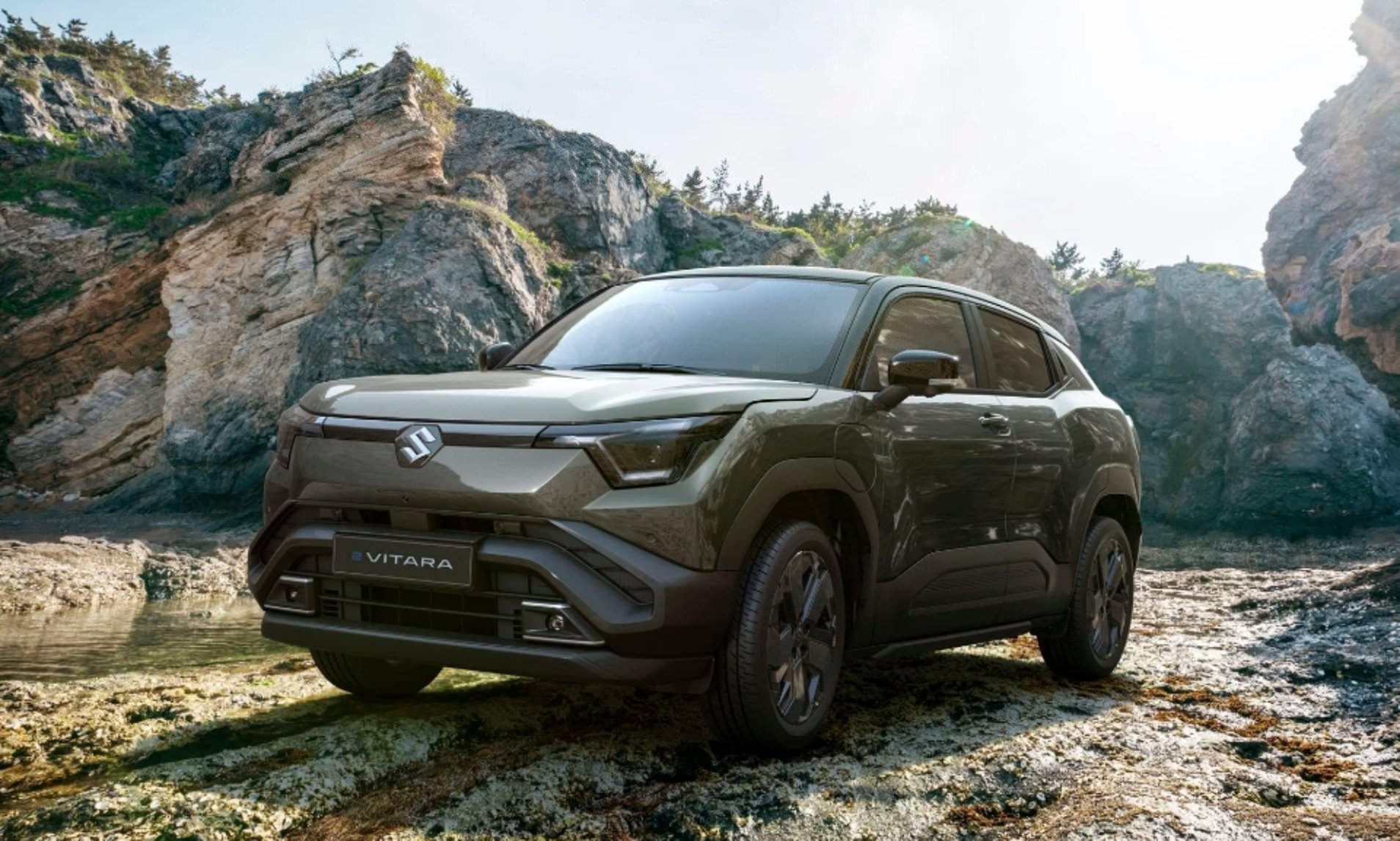
- Suzuki e-Vitara: Suzuki's first mass-produced electric vehicle will arrive early in the year and in the shape of an SUV. Its price is yet to be revealed but its base model could feature a 400km range.
- XPeng X9: Seven seats will be available inside the latest vehicle from this Chinese brand – a people-mover that is expected to arrive on roads in the second half of the year.
- Leapmotor B05: One for the compact spots, the B05 is a five-door electric hatchback due midway through the year. It will feature a rear-wheel motor and 361km base range.
Future of the Australian EV Market
The arrival of these new models raises questions about the future of the Australian EV market. Could Chinese car brands finally electrify the Australian market with budget-friendly models, shattering Tesla's longstanding dominance? Could Chinese car giants reshape Australia's roads with affordable, quality electric vehicles that have industry experts buzzing with excitement?
Will Polestar electrify the car industry amidst rapid changes and EV surges in Australia? Can Tesla's premium models withstand the aggressive rise of BYD's cost-effective masterpieces in the sizzling Australian EV market? Will Australians be forced to pay exorbitant prices for their next hybrid or petrol vehicle thanks to new EV policies?
Post a Comment