Whisky Industry Endures Tough Winter with Tariffs and Stalling Exports
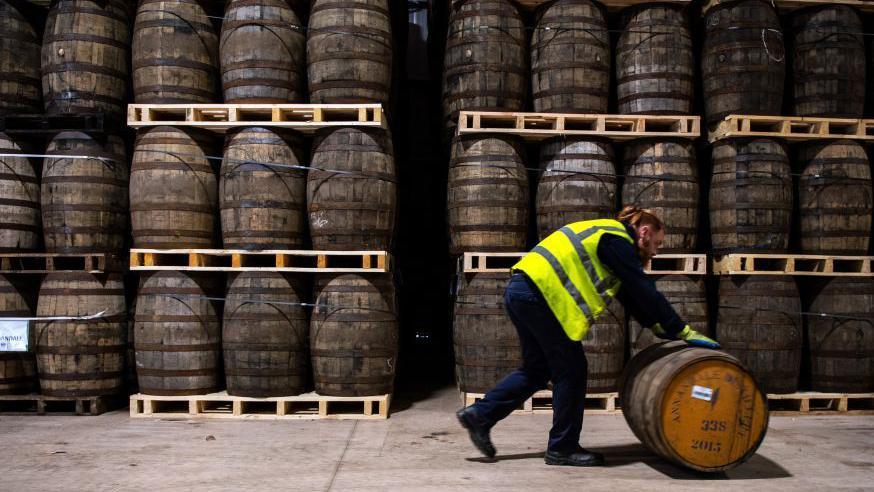
Challenges Facing the Scotch Whisky Industry
The Scotch whisky industry is currently navigating a period of significant challenges, marked by declining production and shifting market dynamics. These difficulties are driven by a combination of external factors, including trade tariffs, fluctuating demand, and rising operational costs. The situation has led to widespread concerns among producers, suppliers, and farmers, all of whom are feeling the impact of these changes.
One of the most pressing issues is the resurgence of US tariffs on Scotch whisky. Although these duties were suspended four years ago, they are expected to return next spring with an additional 25% charge, unless a deal can be reached. This development comes at a time when the US remains one of the largest export markets for single malts, which are sold at premium prices. The potential increase in costs could further strain an already struggling industry.
The downturn is not limited to the US market. Weakening demand is being observed across various regions due to economic constraints, reduced consumer spending, and increased regulatory burdens. For example, shipments to China fell by 31% last year, causing the country to drop from the fifth to the tenth largest market for Scotch. While there has been a 1% increase in the value of exports this year, the volume has declined by nearly 4%. The effects of the US tariffs may take some time to fully manifest, as distillers have been building up stocks in anticipation of the new tax.
Tariff Reductions in India Offer Hope
Despite the current challenges, there is some optimism in the form of tariff reductions in India, the world’s largest whisky market. In the past year, India overtook France as the biggest importer of Scotch by volume. A recent trade deal between the UK and India includes a staged reduction in tariffs from 150% to 40%, offering potential relief for exporters. However, the ratification process in both countries is expected to take time, and this change is seen as too distant to mitigate the short-term slump.
Impact on Farmers and Suppliers
The ripple effects of the downturn are being felt throughout the supply chain. One of the most notable impacts is on barley farmers, whose demand has significantly declined. Projections for next year suggest a reduction in malted barley usage from 900,000 to 1 million tonnes to 600,000 to 700,000 tonnes. Many farmers are struggling to secure contracts for their harvests, leading some to switch to other crops like wheat and rapeseed.
Jack Stevenson, chair of the crop committee of the National Farmers Union in Scotland, highlighted the difficulties faced by merchants and end users. He noted that while dialogue with the whisky industry continues, the current situation is bleak, with many farmers facing financial uncertainty.
Production Cuts and Strategic Adjustments
Distillers are also making strategic adjustments to cope with the downturn. Diageo, the largest producer of Scotch whisky, has halted work at its Roseisle Maltings until at least next June. Other companies, such as Glenmorangie and Ardbeg, have paused production for several months, citing forecasted demand as the reason. These measures are aimed at maintaining the premium status of their products and avoiding price erosion.
Similarly, Brown-Forman, the parent company of Glenglassaugh and Benriach, has been operating only one of its Scottish distilleries since the start of the year. The company has also slowed production at its Glendronach distillery, despite the long maturation period required for single malt whisky. This decision reflects the need for careful planning in an uncertain market.
Rising Costs and Supply Chain Strain
Rising costs are another major concern for the industry. Machinery expenses have surged, pushing the break-even point for barley beyond £200 per tonne. With spot prices falling to £160 per tonne, farmers are finding it increasingly difficult to justify their investments. Additionally, the closure of a maltings plant in Pencaitland has resulted in the loss of around 20 jobs, highlighting the broader impact on local communities.
Government and Industry Response
The industry has expressed frustration with the UK Treasury's alcohol duty, which adds pressure to an already strained sector. The Scotch Whisky Association (SWA) has called for more stable and reliable contracts for barley to support the supply chain. A spokesperson for the SWA emphasized the importance of collaboration between producers and farmers to address shared challenges and ensure the resilience of the industry.
As the industry continues to navigate these challenges, the focus remains on adapting to changing market conditions and maintaining the premium status of Scotch whisky. While the road ahead is uncertain, efforts to stabilize the supply chain and foster stronger partnerships will be crucial in overcoming the current downturn.
Post a Comment