What's Your Driving Theory Test Score?
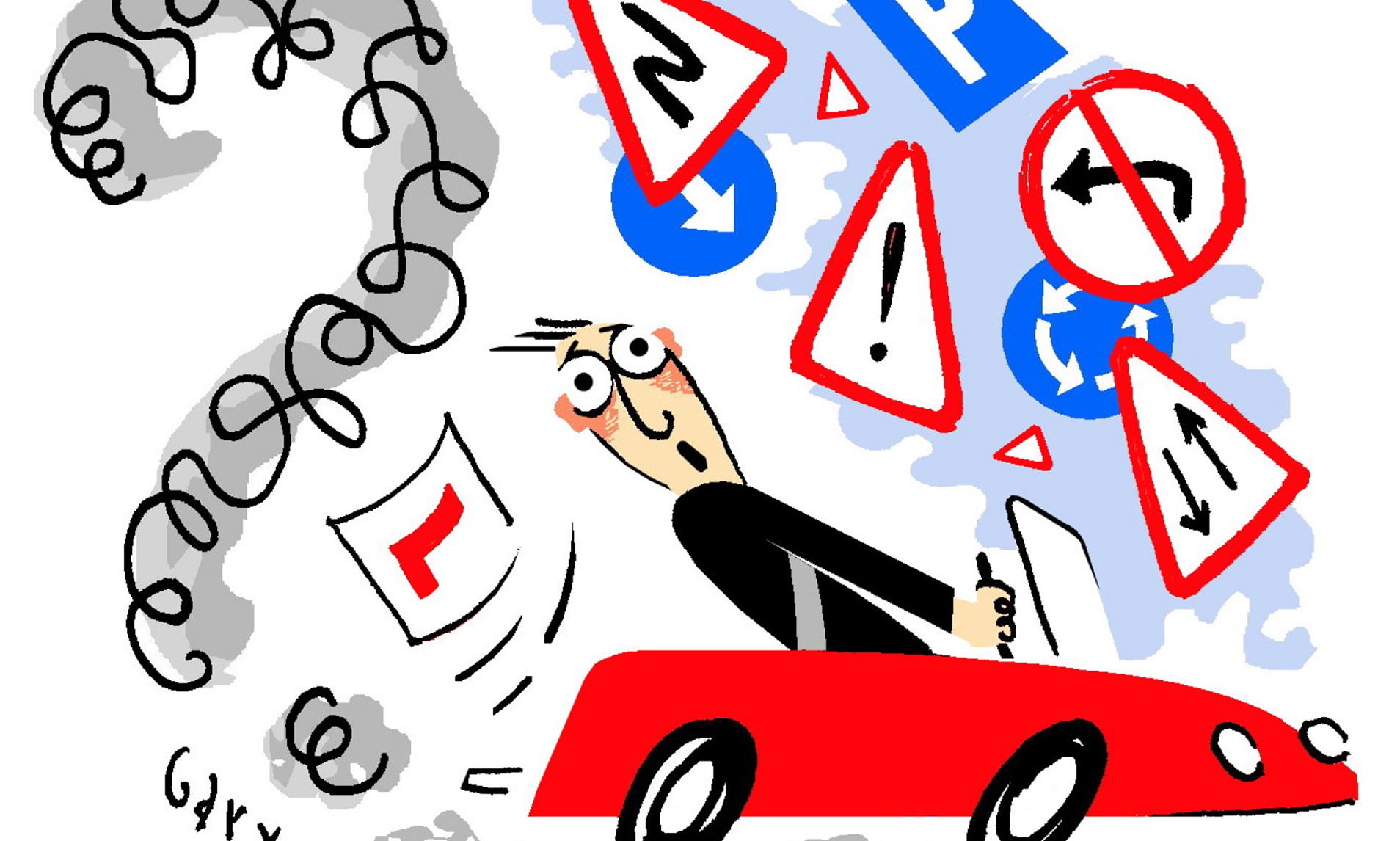
The Challenges of the UK Driving Theory Test
Getting a full driving licence is often considered a significant milestone in life. However, for many learners, the journey to obtaining this license is fraught with challenges. Recent data from the AA Driving School highlights just how difficult it can be to pass the theory test, with some individuals attempting it over a hundred times and spending thousands of pounds without success.
One learner reportedly took the theory test 128 times, costing nearly £3,000, while another spent £1,725 before passing on the 75th attempt. These figures reveal a growing concern among drivers about the difficulty of the test. In fact, some learners resort to unethical methods, such as hiring impersonators to take the test on their behalf. According to the Driver and Vehicle Standards Agency (DVSA), over 2,000 cases of attempted cheating were recorded in the 2023-24 period.
The theory test, which costs £23, was introduced in 1996 and must be passed before the practical test can be taken. It consists of a 50-question multiple-choice exam that must be completed in 57 minutes. To pass, at least 43 questions must be answered correctly. The questions are randomly selected from a large bank of topics, including road signs, emergency procedures, and the Highway Code.
Despite its importance, the pass rate has fluctuated over the years. It peaked at 55.7% in 2020-2021 but dropped to 44.9% by 2024-2025. This decline has raised concerns about the increasing difficulty of the test.
For those interested in testing their knowledge, here are some of the trickiest practice questions analyzed by the AA Driving School:
- You have stopped in an emergency area. What must you do before you rejoin the carriageway?
- a) Use the emergency telephone
- b) Give an arm signal as you are moving off
- c) Switch on your vehicle's headlights
-
d) Move away with your hazard lights on
-
Where can you find reflective amber studs on a motorway?
- a) Separating the slip road from the motorway
- b) On the left-hand edge of the road
- c) On the right-hand edge of the road
-
d) Separating the lanes
-
What will happen if your car's wheels are unbalanced?
- a) The steering will pull to one side
- b) The steering will vibrate
- c) The brakes will fail
-
d) The tyres will deflate
-
What should you do when you park at night on a road that has a 40mph speed limit?
- a) Park facing the traffic
- b) Leave parking lights switched on
- c) Leave dipped headlights switched on
-
d) Park near a street light
-
You've broken down on a two-way road. You have a warning triangle. At least how far from your vehicle should you place the warning triangle?
- a) 5 metres (16ft)
- b) 25 metres (82ft)
- c) 45 metres (147ft)
-
d) 100 metres (328ft)
-
Where may you overtake on a one-way street?
- a) Only on the left-hand side
- b) Overtaking isn't allowed
- c) Only on the right-hand side
-
d) On either the right or the left
-
When are you allowed to overtake another vehicle on their left?
- a) When you're in a one-way street
- b) When approaching a motorway slip road where you'll be turning off
- c) When the vehicle in front is signalling to turn left
-
d) When a slower vehicle is travelling in the right-hand lane of a dual carriageway
-
What does the solid white line at the side of the road indicate?
- a) Traffic lights ahead
- b) Edge of the carriageway
- c) Footpath on the left
-
d) Cycle path
-
A single carriageway road has this sign (below). What's the maximum permitted speed for a car towing a trailer?
- a) 30mph
- b) 40mph
- c) 50mph
-
d) 60mph
-
Why is travelling in neutral for long distances (known as coasting) bad driving technique?
- a) It will cause the car to skid
- b) It will make the engine stall
- c) The engine will run faster
- d) There won't be any engine braking
-
What should you do if you park on the road in fog?
- a) Leave the main-beam headlights on
- b) Leave dipped headlights and fog lights switched on
- c) Leave parking lights switched on
- d) Leave dipped headlights switched on
-
When should you sound your vehicle's horn?
- a) To greet other road users
- b) To allow you right of way
- c) To signal your annoyance
- d) To alert others to your presence
-
You're being overtaken by a long, heavily laden lorry. What should you do if it's taking a long time for it to overtake?
- a) Hold your speed
- b) Change direction
- c) Slow down
- d) Speed up
-
Which vehicle should you give extra room as you overtake?
- a) Bicycle
- b) Tractor
- c) Lorry
- d) Road-sweeper
-
What should you do if the left-hand pavement is closed due to street repairs?
- a) Watch out for pedestrians in the road
- b) Speed up to get past the roadworks more quickly
- c) Position close to the left-hand kerb
- d) Use your right-hand mirror more often
-
How can you avoid wheelspin when you're driving on an icy road?
- a) Drive in a low gear at all times
- b) Brake gently and repeatedly
- c) Drive at a slow speed in the highest gear possible
- d) Use the parking brake if the wheels start to slip
-
Which vehicles aren't allowed to use the right-hand lane of a three-lane motorway?
- a) Vehicles towing a trailer
- b) Motorcycles
- c) Motorcycle and sidecar outfits
- d) Small delivery vans
-
Why should you use your mirrors when you see a hazard ahead?
- a) To assess how your actions will affect the traffic behind
- b) To check what's happening on the road ahead
- c) Because you'll need to accelerate out of danger
- d) Because you'll need to brake sharply and stop
-
You're driving your car. When may you use a hand-held mobile phone?
- a) When you're driving at 30mph
- b) When you have parked safely
- c) When you're receiving a call
- d) When your car has an automatic transmission
-
How can you make sure that a satnav system doesn't distract you when you're driving?
- a) Set it before starting your journey
- b) Choose a voice that you find calming
- c) Only set the destination when you're lost
- d) Turn it off while you're driving in built-up areas
-
What should you do when you're approaching traffic lights that have been green for some time?
- a) Maintain your speed
- b) Brake hard
- c) Accelerate hard
- d) Be ready to stop
-
What does the term 'blind spot' mean?
- a) An area not covered by your headlights
- b) An area not covered by your left-hand mirror
- c) An area not covered by your right-hand mirror
- d) An area not visible to the driver
-
You're driving on a wet road. What should you do if you have to stop your vehicle in an emergency?
- a) Keep both hands on the steering wheel
- b) Apply the parking brake and footbrake together
- c) Give an arm signal
- d) Select reverse gear
-
Where should you avoid overtaking?
- a) Approaching a dip in the road
- b) In a one-way street
- c) On a dual carriageway
- d) Just after a bend
-
What should you do just before making a U-turn?
- a) Look over your shoulder for a final check
- b) Check road markings to see that U-turns are permitted
- c) Select a higher gear than normal
- d) Give an arm signal as well as using your indicators
These questions highlight the complexity of the driving theory test and the need for thorough preparation. As the pass rate continues to fluctuate, it's clear that understanding the rules of the road is more important than ever.
Post a Comment