US Update: Trump's 50% Steel Tariffs Take Effect
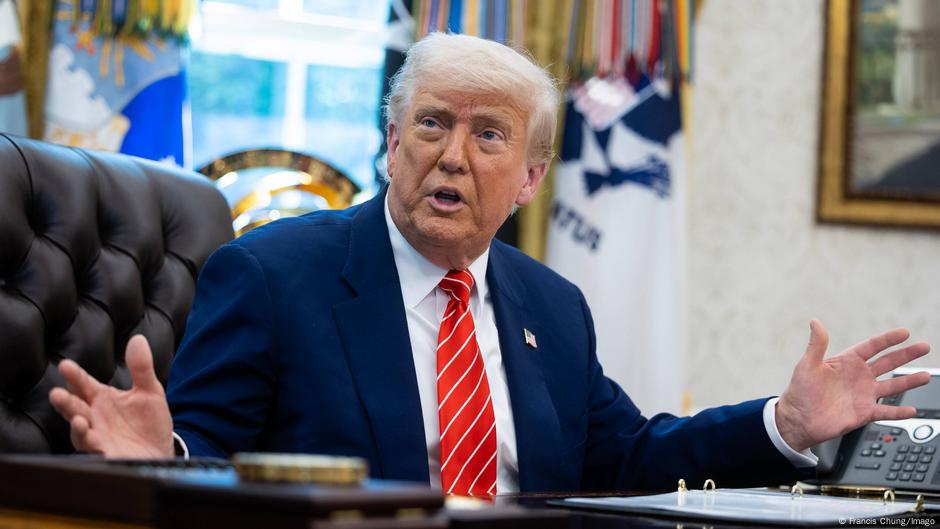
US Tariff Hike on Steel and Aluminum Sparks Global Concerns
The Trump administration has announced a significant increase in tariffs on steel and aluminum imports, raising them from 25% to 50%. This move is aimed at protecting the domestic steel industry and preventing foreign countries from flooding the U.S. market with low-cost metals. The decision has sent ripples across global trade relations, with several countries expressing concerns over the potential economic fallout.
British steel will remain under the 25% tariff rate, pending a trade deal, while Japan has voiced its dissatisfaction, claiming it was not given an opportunity to negotiate an exemption despite a recent U.S.-Japanese steel agreement. Meanwhile, the European Union has warned of retaliatory measures against the new tariffs, which could further strain transatlantic trade relations.
Trump's Criticism of the Federal Reserve
In addition to the tariff hike, President Donald Trump has continued to pressure the Federal Reserve to lower interest rates. His criticism came after a weak jobs report showed that private sector hiring in May fell below expectations. The ADP payroll data revealed only 37,000 new jobs added, the lowest figure in over two years. Trump took to his social media platform, Truth Social, to demand that Fed Chair Jerome Powell lower rates, calling him "unbelievable."
Despite the pressure, the Federal Reserve remains independent and has been hesitant to cut rates due to fears of worsening inflation. The current federal funds rate stands between 4.25% and 4.5%, and the central bank has maintained a cautious approach in response to economic uncertainties.
Impact on German Mechanical Engineering
German mechanical engineering companies have reported a decline in orders for April, citing uncertainty caused by U.S. tariff policies. The Association of German Mechanical and Plant Engineering (VDMA) noted a 6% year-on-year drop in orders, although the first quarter of 2025 saw a slight increase compared to the previous year. VDMA’s chief economist, Johannes Gernandt, attributed the decline to the unpredictability of U.S. trade policies and the ongoing tariff threats from the Trump administration.
EU and U.S. Trade Talks
European Union Trade Commissioner Maros Sefcovic described recent talks with U.S. Trade Representative Jamieson Greer as "productive." The discussions are part of ongoing efforts to resolve the tariff conflict, which includes the 50% U.S. tariffs on steel and aluminum, 25% on cars, and reciprocal tariffs on most goods from the EU. The EU is currently facing these levies, with some tariffs temporarily paused until July.
Abortion Access Policy Reversal
In another controversial move, the Trump administration revoked a health guideline introduced under the Biden administration that protected emergency abortions when medically required. The directive, issued in 2022, interpreted the Emergency Medical Treatment and Active Labor Act (EMTALA) to supersede state abortion laws if necessary to protect pregnant individuals. The Centers for Medicare and Medicaid Services stated that the guidance was inconsistent with the current administration’s policy and will no longer be enforced.
Japan's Response to U.S. Tariffs
Japan has denied receiving a formal request from the U.S. to submit trade proposals amid the steel tariff tensions. Chief Cabinet Secretary Yoshimasa Hayashi told media that no such letter had been received, even as the White House urged trade partners to present their best offers. This comes as Nippon Steel’s planned acquisition of U.S. Steel faces political scrutiny, with both Trump and former President Joe Biden opposing foreign ownership of the iconic American steelmaker.
Economic Challenges in Africa
Trevor Manuel, chair of the G20 expert panel on Africa, highlighted that high debt costs and unpredictable U.S. policy shifts are stifling African economic growth. He pointed out that many African countries face higher risk premiums, leading to increased debt servicing costs. Manuel also criticized U.S. policies, including Trump’s tariffs, which have affected countries like Lesotho and Madagascar. Additionally, the termination of USAID programs is expected to have severe consequences for the continent.
Musk's Criticism of Tax Bill
Billionaire Elon Musk strongly criticized Trump’s proposed tax and spending bill, calling it a “disgusting abomination.” The bill, which extends 2017 tax cuts and increases defense and border security funding, is projected to add $3.8 trillion to the federal debt. Musk argued that the bill negatively impacts green energy subsidies, affecting companies like Tesla. He also called for the removal of politicians who supported the bill, stating, “In November next year, we fire all politicians who betrayed the American people.”
Mexico's Request for Exemption
Mexico has announced plans to request an exemption from the U.S. steel tariffs, similar to the United Kingdom. Economy Minister Marcelo Ebrard criticized the levy as unfair, pointing out that the U.S. exports more steel to Mexico than it imports. With 80% of its exports going to the U.S., Mexico is particularly vulnerable to the impact of Trump’s trade wars.
Continued Trade Tensions
The U.S. has doubled its tariffs on most steel and aluminum imports, marking a significant escalation in Trump’s trade policies. The move is intended to counter foreign countries that continue to flood the U.S. market with low-cost metals. The White House claims the increase will help secure the domestic steel industry and eliminate national security threats posed by imported steel and aluminum articles.
As the U.S. continues to implement these tariffs, the global trade landscape remains uncertain, with many countries bracing for potential economic repercussions.
Post a Comment