Try These Cheese, Cracker, and Chutney Pairings for a Healthy Festive Board
The Role of Cheese in a Balanced Diet
Cheese has long been a staple in many cultures, often celebrated for its rich flavors and versatility. However, it's also known for being high in saturated fat and salt, which can be concerning for those looking to maintain a healthy lifestyle. Despite this, cheese is not inherently bad. It provides essential nutrients such as calcium, protein, and various vitamins that are beneficial for overall health.
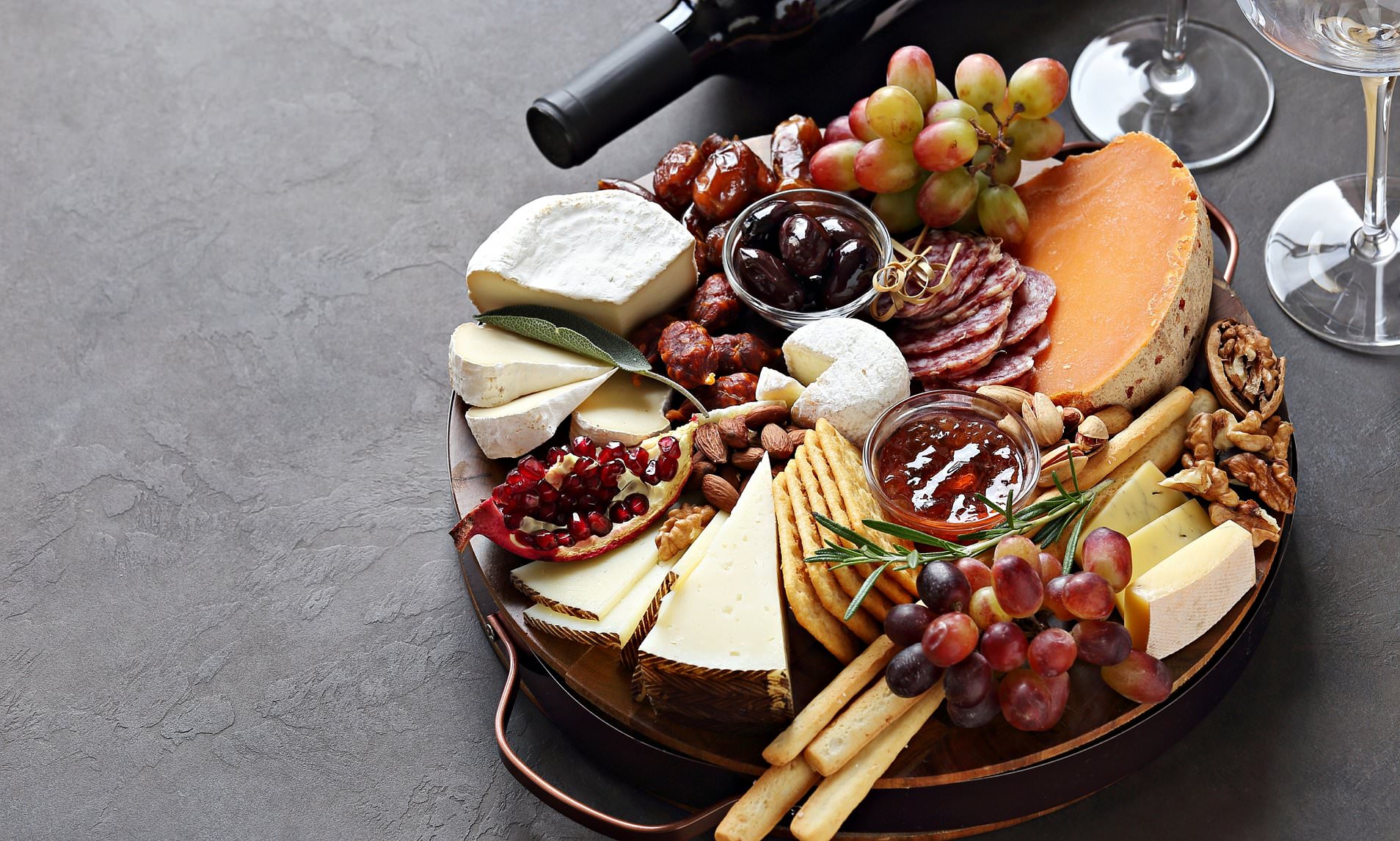
The NHS recommends consuming around 30g of cheese daily, but many people find it challenging to measure out portions when indulging in a festive cheeseboard. A cheeseboard can be the highlight of holiday meals, offering a variety of options that can be enjoyed as a buffet, a dessert alternative, or a snack during movie marathons. From creamy brie to gooey camembert and aged parmesan, these cheeses often serve as a 'last hurrah' before New Year's resolutions kick in.
While the festive season may encourage overindulgence, there are ways to make your cheeseboard healthier. Understanding the nutritional content of different cheeses can help you make informed choices.
Nutritional Benefits of Cheese
Dietary fats are crucial for a balanced diet, providing essential fatty acids that the body cannot produce on its own. However, excessive intake of saturated fats, commonly found in cheese, can raise cholesterol levels and increase the risk of heart disease. Despite these concerns, some studies suggest that cheese might even have health benefits, including potential longevity.
Registered nutritionist Rob Hobson emphasizes that cheese is a nutrient-dense food, rich in high-quality protein, calcium, phosphorus, vitamin B12, and vitamin A. These nutrients support bone health, muscle repair, and energy metabolism. While aged cheeses like mature cheddar and parmesan are high in sodium, they also offer unique benefits such as live bacteria that may support gut health.
Building a Nutrient-Dense Cheeseboard
Creating a nutritious cheeseboard involves more than just selecting quality cheeses. Adding variety with fiber, protein, and healthy fats can enhance the nutritional value of your spread. Here are some tips:
- Crackers: Opt for seeded, rye, or wholegrain crackers instead of traditional ones. They provide more fiber, healthy fats, and protein.
- Nuts: Walnuts, almonds, and other nuts add crunch, protein, and fiber, helping to slow digestion and stabilize blood sugar levels.
- Fruits and Vegetables: Sliced apples, pears, and fresh figs offer natural sweetness and fiber, while crudités like carrots and cucumbers add color and crunch.
- Charcuterie: Leaner options like roast turkey or prosciutto are better choices than processed meats like salami and ham, which are high in salt and saturated fat.
Healthy Pairings and Moderation
When it comes to pairing cheese with other foods, balance is key. For example, adding fruits and vegetables can reduce the blood sugar response associated with cheese consumption. Similarly, choosing spreads like Boursin or using wholegrain crackers can enhance the nutritional profile of your cheeseboard.
It's also important to consider the type of cheese you're serving. Hard cheeses like cheddar, Comte, and parmesan are higher in protein and calcium, making them excellent choices for supporting bone health. Softer cheeses, while lower in protein, can still be part of a balanced meal, especially for those with smaller appetites.
The Impact of Additives and Sauces
Sauces and condiments can significantly affect the healthiness of your cheeseboard. Cranberry sauce, for instance, is naturally high in polyphenols, which are beneficial antioxidants. However, store-bought versions often contain added sugars, so it's best to choose reduced-sugar alternatives or make your own at home.
Chutneys and pickles, while flavorful, can be high in salt. Using them in moderation and balancing them with fiber-rich foods can help mitigate their impact on your health.
Conclusion: Enjoying Cheese in Moderation
While cheese can be a delightful part of the festive season, it's important to consume it in moderation. The recommended portion size of 30g per serving aligns with guidelines for limiting saturated fat intake. By making mindful choices and incorporating a variety of healthy ingredients, you can enjoy a cheeseboard that is both delicious and nutritious.
Remember, the key to a healthy diet lies in balance and variety. With thoughtful planning, you can savor your favorite cheeses without compromising your health goals.
Post a Comment