Solarizing the 24-Hour Economy Initiative
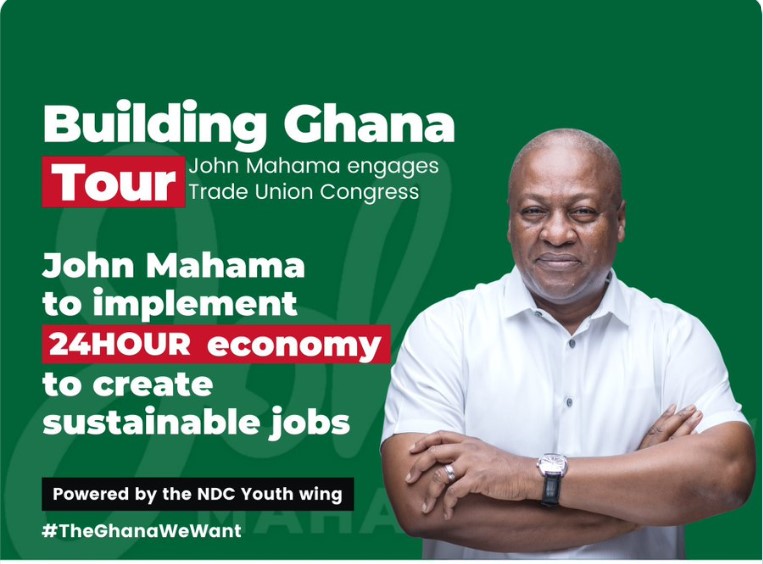
The 24-Hour Economy and the Role of Solar Energy in Ghana
Ghana’s 24-Hour Economy initiative marks a significant shift in the nation's approach to productivity, industrial capacity, and service sector competitiveness. As the country moves toward uninterrupted economic activity across various sectors such as manufacturing, logistics, healthcare, agriculture, retail, and public services, energy reliability becomes a critical factor for success. A stable, cost-efficient, secure, and environmentally sustainable energy system is essential to support continuous operations.
The current reliance on grid electricity presents several challenges, including rising costs, occasional capacity constraints, and structural limitations that hinder Ghana’s ability to maintain its competitive edge in a continuously operational economy. To address these issues, the strategic deployment of solar energy within the 24-Hour Economy framework offers a technically viable and economically superior solution. With high solar irradiation levels across the country, Ghana has a natural comparative advantage that remains underutilized.
Solar Resource Potential and Technical Feasibility
Ghana lies within a high solar irradiation corridor, receiving an annual average between 4.5 and 5.6 kilowatt hours per square metre daily, depending on the region. These levels place the country among the most technically advantageous locations in West Africa for photovoltaic deployment. Compared with other renewable options, solar is modular, rapidly deployable, and geographically flexible, making it especially suitable for decentralized power supply across commercial zones, industrial parks, agricultural estates, municipal facilities, and energy-intensive service delivery environments.
The 24-Hour Economy demands consistent energy availability during both daytime and nighttime periods. This requires the adoption of combined solar and battery systems that can provide peak generation during sunlight hours and stored dispatchable energy at night. Advances in lithium iron phosphate battery systems, improved cycle efficiency, reduced degradation rates, and declining costs have enhanced the viability of solar storage solutions even for medium and large-scale industrial and commercial operations.
Integrating solar with mini grid and micro grid architectures further strengthens technical reliability. When configured into hybrid systems, solar installations can support critical processes even during grid disturbances through automatic switching, load balancing, and real-time energy management. This reduces downtime and protects equipment sensitive to voltage variations. With proper inverter sizing, power conditioning equipment, smart metering, and supervisory control and data acquisition integration, solar systems can achieve utility-grade stability suitable for continuous operations in factories, retail chains, hospitals, transport terminals, and public sector facilities.
Economic Rationale for Solar Integration
The economic argument for solarising Ghana’s 24-Hour Economy is anchored on two primary considerations: reducing long-term energy costs and enhancing competitive advantage. Grid electricity tariffs for commercial and industrial consumers have risen in recent years due to underlying generation costs, fuel price fluctuations, operational inefficiencies, and financial sustainability mechanisms within the power sector. For enterprises operating throughout the day and night under the new national economic model, the cumulative energy expenditure becomes a determinant of profitability.
Solar power presents a cost structure that differs substantially from the grid. Once installed, solar photovoltaic systems have minimal operational and maintenance costs and no fuel cost exposure. The levelized cost of solar energy in Ghana has fallen consistently over the past decade due to global manufacturing improvements, economies of scale, and increased competition. For medium and large facilities, solar can displace a significant portion of grid energy consumption, thereby reducing overall tariff exposure. When combined with storage, solar becomes a controllable and predictable cost component, which improves financial planning for continuous production cycles.
Additionally, solar deployment enhances resilience against potential tariff escalations and supply constraints. In a 24-Hour Economy, any disruption in energy supply translates directly into lost productivity. By reducing dependence on the national grid, solar systems insulate enterprises from external cost pressures. Over the lifespan of solar installations, which often exceed 25 years, the cumulative savings become substantial.
Productivity Gains from Reliable Renewable Power
Productivity is the central pillar of the 24-Hour Economy concept. For continuous operations to translate into increased output, the energy supply must be dependable, low risk, and cost-efficient. Solar systems supported by storage increase productivity by reducing downtime that would otherwise occur from grid disturbances or peak load constraints.
Manufacturing plants benefit most from stable voltage and uninterrupted operations. Sudden power outages can damage equipment, disrupt sensitive continuous processes, and lead to material wastage. Solar-powered hybrid systems allow smooth switching and voltage optimization, ensuring that production lines maintain operational integrity. The long-term result is a measurable reduction in operational losses and improved asset utilization rates.
Service-based enterprises such as retail centers, banks, hospitality businesses, and digital service providers require reliable energy for lighting, cooling, security, and information systems. Solar power integrated with smart energy management reduces reliance on diesel generators, which continue to be a major cost component for businesses that operate for extended hours. Eliminating generator dependence reduces operational noise, environmental pollution, and fuel logistics challenges, which indirectly enhances the working environment and overall productivity.
In agriculture, extended post-harvest processing, cold storage, and irrigation activities under a 24-Hour economy are more feasible with decentralized solar energy. Cold chain facilities that operate continuously benefit from predictable energy costs, while agro-processing plants reduce losses associated with spoilage during power interruptions. Solar-powered mechanization improves labor productivity and increases the competitive position of Ghana’s agricultural exports.
Policy Alignment and Government Priorities
Solarising the 24-Hour Economy aligns strongly with Ghana’s policy direction in energy diversification, climate resilience, and sustainable development. The Renewable Energy Master Plan emphasizes solar as a priority technology for increasing the share of renewables in the national energy mix. The framework for energy transition developed by the Ministry of Energy recognizes solar integration as a fundamental driver for decarbonization and energy security.
The government’s ambitions to expand production, stimulate private sector growth, and enhance competitiveness depend on an enabling energy environment. Under a 24-Hour Economy, solar power acts as a complementary resource that reduces strain on existing grid infrastructure. Peak demand pressures are moderated when large commercial and industrial facilities use self-generated solar energy during the day. This creates headroom for the grid to supply essential services, residential consumers, and sectors less capable of deploying their own solar systems.
The National Climate Change Policy and the Nationally Determined Contributions under the Paris Agreement emphasize greenhouse gas reduction and climate adaptability. Solar energy reduces emissions from thermal generation and diesel generator use. By integrating solar into the 24-Hour Economy, Ghana strengthens its compliance obligations while improving environmental quality in industrial and commercial centers.
Strategic Recommendations for National Scale Deployment
To maximize the benefits of solar in the 24-Hour Economy, an integrated deployment strategy is recommended. Industrial zones should adopt shared solar parks that supply multiple enterprises, reducing individual capital costs. Commercial clusters, markets, hospitals, and transport terminals should integrate rooftop solar systems as part of their infrastructure upgrade plans.
Government facilities that will operate on extended schedules should adopt renewable procurement policies mandating a defined percentage of solar energy in their consumption mix. Private sector enterprises should be encouraged through financing incentives to adopt solar storage systems for operational stability.
Distributed energy resources should be interconnected with smart metering infrastructure and supported by regulatory frameworks for grid interconnection. Research institutions and universities should be integrated into the national solar program to develop innovative solutions for energy management and storage optimization.
Solarising Ghana’s 24-Hour Economy is both a technical imperative and an economic opportunity. The country’s abundant solar resources provide a reliable, low-cost, and sustainable foundation for continuous productivity. Solar energy reduces dependence on the national grid, stabilizes operational expenditure, enhances resilience, and aligns with national policy goals for climate sustainability and energy diversification.
By integrating solar energy into the operational framework of the 24-Hour Economy, Ghana positions itself for a modern industrial transformation. The synergy between uninterrupted economic activity and renewable energy adoption strengthens competitiveness, accelerates job creation, and fosters long-term economic stability. Solar power is therefore not merely a supportive technology, it is a foundational pillar for achieving the vision of a productive, inclusive, and sustainable 24-Hour Economy.
Post a Comment