Record High Patient Diversion as A&Es Face Busiest Month Ever
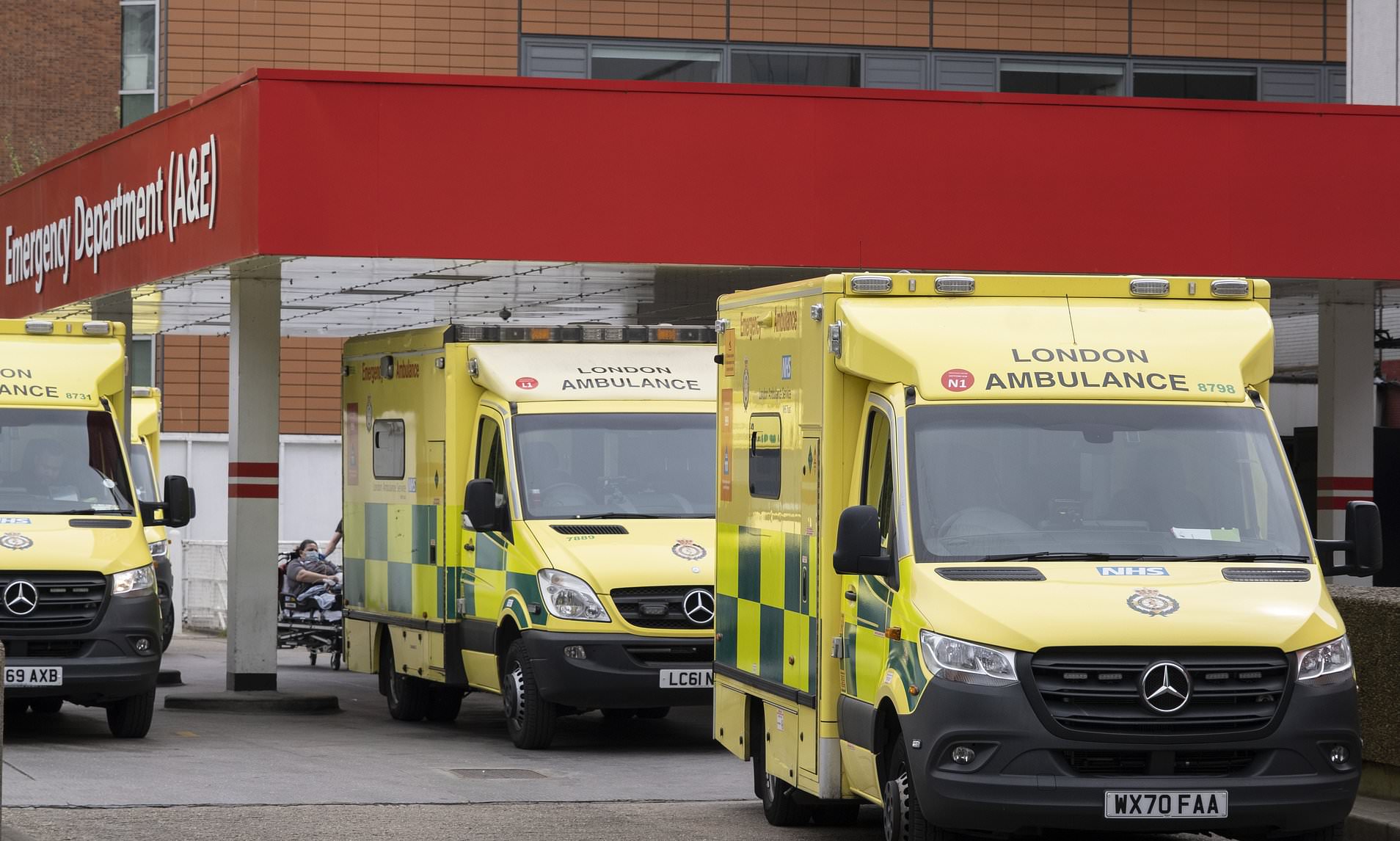
Record Demand and Critical Incidents in UK Hospitals
The NHS is currently facing an unprecedented challenge as hospitals across the UK grapple with a surge in flu cases, leading to record-breaking demand and critical incidents. Health officials have warned that this winter could be the worst-case scenario for the healthcare system, with emergency departments operating at full capacity and patients being turned away from their local hospitals.
In the last week alone, 57 A&E arrivals were diverted, marking a 60% increase compared to the same period last year. This figure surpasses the previous record of 55 set in January this year. The situation has been exacerbated by a record number of daily A&E attendances in November, with over 75,000 people arriving at hospitals each day. The total number of A&E attendances reached 2.35 million, which is more than 30,000 higher than in November 2024. Additionally, ambulance incidents rose by 48,814 compared to the previous year.
The strain on the NHS is evident in the fact that only seven out of ten patients are seen within the four-hour target time. Experts attribute this surge in demand to a significant rise in flu cases, particularly those caused by the H2N3 strain, often referred to as 'super flu.' This strain has led to an average of 2,660 patients per day being admitted to hospital beds due to flu, which is the highest ever recorded for this time of the year and represents a 55% increase from the previous week.
Professor Meghana Pandit, the NHS National Medical Director, expressed concern over the current situation, stating that the combination of record demand for A&E and ambulances, along with an impending resident doctors’ strike, is pushing the NHS to its limits. She emphasized that the number of patients in hospital with flu is extremely high for this time of year and that the peak is not yet in sight.
Several NHS trusts have reported particularly poor performance in meeting the four-hour target. NHS Shropshire, Telford And Wrekin Integrated Care Board had the worst performance, with only 61% of patients seen within the target time. Similarly, Herefordshire And Worcestershire Integrated Care Board saw just 64% of patients meet the target. Over 50,000 patients were waiting more than 12 hours to be admitted, with the highest proportion of such patients found in Shropshire and Herefordshire.
The latest figures come after several hospitals declared critical incidents. At least six hospitals in the West Midlands, including Birmingham, Solihull, Stafford, and Stoke-on-Trent, have declared critical incidents due to the increased flu cases. University Hospitals Birmingham NHS Foundation Trust, which oversees Queen Elizabeth, Heathlands, and Good Hope Hospitals, issued an alert due to 'extreme pressures.' Meanwhile, University Hospitals of North Midlands (UHNM) trust urged people to use A&E only for serious or life-threatening emergencies.
In Scotland, NHS Ayrshire and Arran has canceled routine visiting across all its hospitals due to the pressure caused by a sharp rise in viral respiratory infections, including flu. Mandatory mask rules have also been introduced in parts of hospitals in London, Berkshire, Surrey, Lincolnshire, Shropshire, and Oxfordshire, reflecting concerns about infection numbers.
Dr. Elizabeth Whittaker from Imperial College London noted that the flu statistics align with what is being observed in emergency departments and wards. She highlighted that the situation mirrors what was seen in Australia during their winter, where there was a significant increase in cases among children. Dr. Whittaker encouraged pregnant women and children who missed their school doses to get vaccinated to protect themselves for Christmas.
Experts warn that the pressures on the NHS could worsen in the coming weeks as another virus, RSV, begins to circulate. Dr. Lindsay Broadbent from the University of Surrey mentioned that RSV cases are increasing, posing a particular risk to young babies and older adults with underlying conditions. The combined impact of influenza and RSV is a growing concern for the NHS, which must manage the rising demand for services.
Despite these challenges, some improvements in NHS waiting times have been reported. At the end of October, 172,556 people in England were waiting more than a year to start routine hospital treatment, a decrease from 180,329 at the end of September. However, this figure is still significantly higher than the 234,914 recorded at the same time last year. The Government and NHS England aim to reduce this number to less than 1% by March 2026.
Post a Comment