Nigeria's Private Sector Drives HIV and Malaria Fight as Donors Withdraw
A New Era for Nigeria’s Health Response: Embracing Long-Term National Ownership
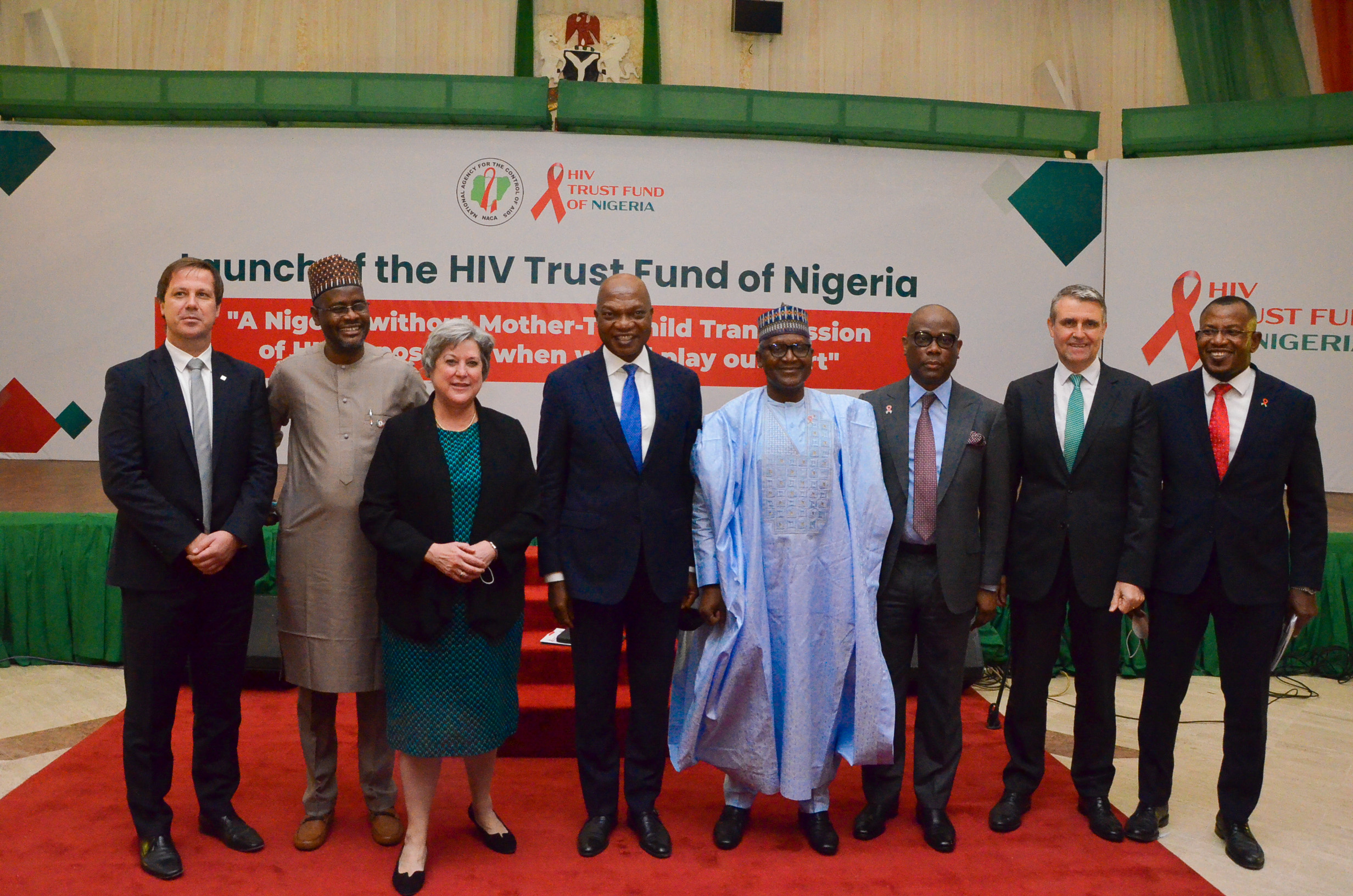
Nigeria is at a pivotal moment in its fight against HIV and malaria, with a new initiative aiming to shift the focus from external donor support to sustainable, national ownership of health programs. This landmark project, known as the Technical Assistance Support for the Alternative Delivery Model, was launched in Lagos and marks a significant step forward in the country’s efforts to build a resilient and self-sufficient health system.
The initiative, led by the Global Fund, the Society for Family Health (SFH), and key national health programs, seeks to reduce reliance on international donors and strengthen Nigeria’s ability to manage its own public health challenges. At the launch event held at the Dover Hotel in Ikeja, Lagos, Dr. Omokhudu Idogho, Managing Director of SFH, emphasized that the time has come for Nigeria to take full responsibility for its health programs.
Idogho pointed out that while Nigeria receives less than 1% of its total funding from overseas development assistance, up to 78% of the expenditure in the HIV response still comes from international donors. He described this situation as a “national security emergency,” highlighting the risks associated with continued dependence on external resources. The expert stressed that without a sustainable, mixed-market health system, decades of progress in combating HIV and malaria could be jeopardized.
The project is grounded in the Total Market Approach, which aims to harness the contributions of the public sector, private providers, and communities to create a more robust and long-term solution. By involving pharmacies, community health workers, and other private-sector actors, the initiative seeks to ensure that testing, treatment, and prevention services are accessible to all Nigerians.
Dr. Sidharth Rupani, Senior Advisor for Supply Chain Strategy and Policy at the Global Fund, expressed confidence in the project’s potential to catalyze change. He noted that the initiative will test financial sustainability models for HIV self-tests, oral PrEP, and malaria diagnostics within private-sector channels. Rupani emphasized the importance of integrating private pharmacies and PPMVs into national service delivery, ensuring that patients receive quality-assured products outside of public facilities.
Desmond Aso, representing the Director-General of NACA, highlighted the need for urgent leadership and financial commitment from the Nigerian government. He warned that the transition away from donor-driven funding requires a coordinated effort across all levels of government. Aso called for improved budgetary releases, greater efficiency, and structured participation from the private sector to ensure the sustainability of HIV, TB, and malaria interventions.
Dr. Hafsat Iyanda, representing the National Coordinator of NASCP, praised SFH for championing a “people-owned” initiative. She noted that the project would enhance private-sector engagement and foster collaboration across HIV, malaria, and TB programs. Similarly, Dr. Ahmad Njidda, representing the National Malaria Elimination Programme (NMEP), emphasized the critical role of private pharmacies and PPMVs in providing malaria services nationwide.
Pharm. Ene Daniel-Ebune, representing the Pharmacy Council of Nigeria, reiterated the importance of regulatory frameworks that support innovation in the private sector. She stressed that properly regulated community pharmacies and PPMVs have the capacity to expand access to quality healthcare. Sylvanus Onuoha, President of the Nigerian Association of Patent and Proprietary Medicine Dealers (NAPPMED), welcomed the initiative as a landmark step toward strengthening primary healthcare delivery.
Olufemi Akingbade, Executive Secretary of the Healthcare Federation of Nigeria (HFN), underscored the urgency of integrating private-sector contributions into national health planning. He noted that the private sector already bears a significant financial burden through out-of-pocket spending and must no longer operate in isolation from government systems. Akingbade reaffirmed HFN’s commitment to mobilizing its 400 member organizations to support the initiative.
Hope Ezenwoke, State Secretary of the Lagos State Medicine Dealers Association (LSMDA), pledged the support of Lagos-based PPMVs in expanding community access to quality diagnostics and treatment services. She added that the model holds great promise for improving coverage in underserved communities where public health facilities are limited.
Over the next three days, stakeholders will work together to design operational pathways, sustainability options, financial models, and regulatory mechanisms for the initiative. The project is expected to play a central role in Nigeria’s long-term transition from donor-dependence to a more resilient, country-owned HIV and malaria response, with private-sector providers now positioned as critical frontline actors.
Post a Comment