NHS Faces Collapse from 'Superflu' and Christmas Strikes, Warns Wes Streeting
The NHS Faces a Critical Winter
The National Health Service (NHS) in the UK is facing an unprecedented crisis this winter, with the dual challenges of a severe flu outbreak and planned strikes by medical staff. Health Secretary Wes Streeting has warned that the situation is more dire than anything seen since the pandemic, describing it as a "challenge unlike any it has seen." Hospitals are under immense pressure, with record numbers of patients admitted due to flu and concerns over the potential impact of strike action.
A Surge in Flu Cases
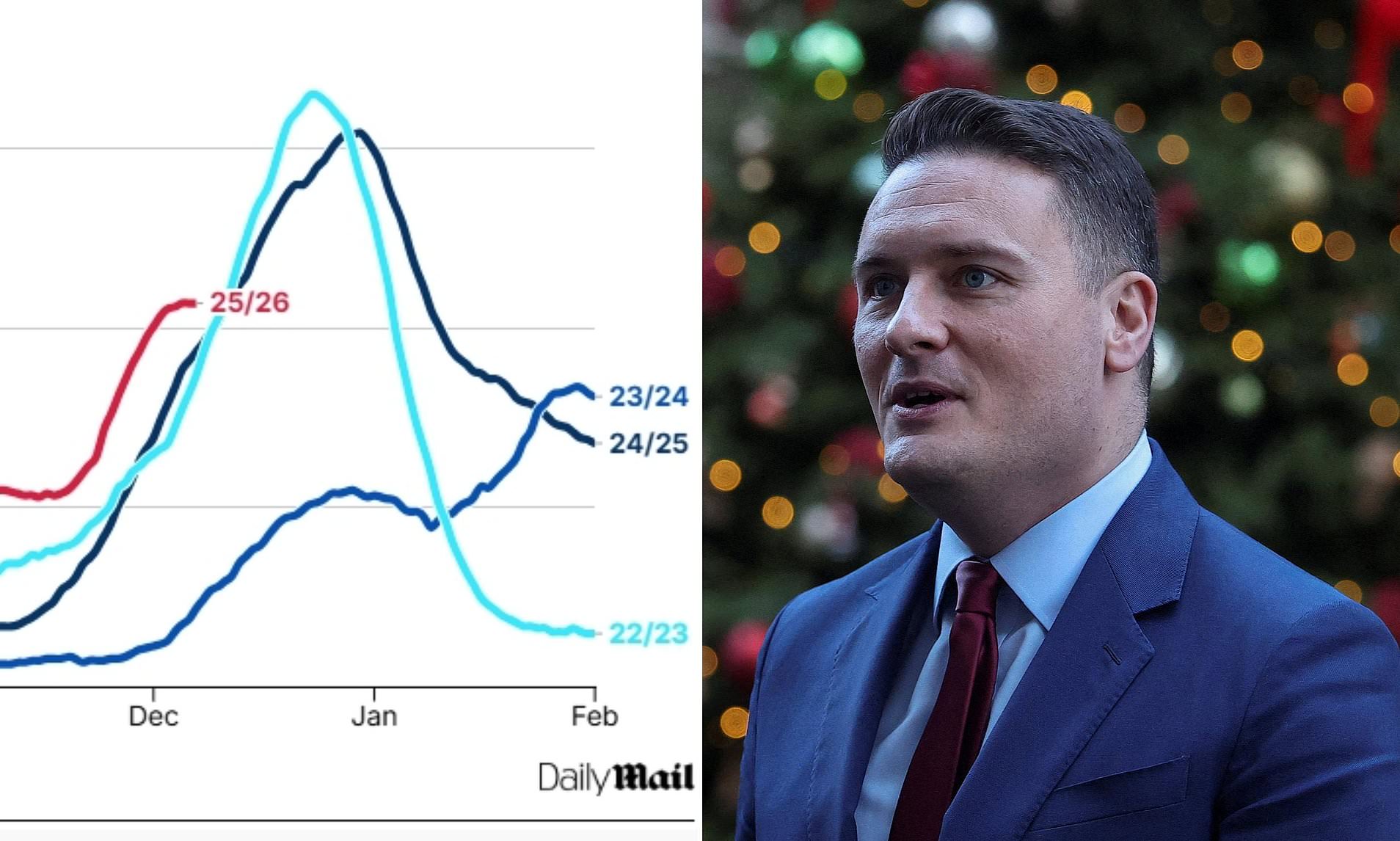
According to recent data, the number of flu patients in hospitals has surged dramatically. Last week alone, an average of 2,660 patients were admitted daily, marking a 55% increase from the previous week. This is significantly higher than the same period last year, when 1,861 patients were in hospital with flu, and even more so compared to 2023, when only 402 patients were affected. The current situation is being referred to as a "tidal wave of flu" that is overwhelming the healthcare system.
Streeting emphasized that the NHS is "effectively" at "one minute to midnight" regarding the risk of collapse. He expressed deep concern about the potential consequences if the planned strikes proceed, stating that he cannot guarantee patient safety in the coming week. The Health Secretary stressed that the combination of flu cases, strike action, and limited resources could lead to a catastrophic scenario for both patients and healthcare workers.
The Impact of Strikes
The planned strikes by resident doctors, previously known as junior doctors, have been a point of contention. These medics are demanding a 26% pay rise on top of a 28.9% increase over the past three years. However, Streeting has rejected these demands, arguing that the UK cannot afford such increases and that it would be unfair to other NHS employees who do not receive similar pay. Instead, he proposed measures to reduce the competitiveness of specialist training places, allowing more doctors to advance in their careers.
Despite his offer, the British Medical Association (BMA) has rejected it, leading Streeting to appeal directly to resident doctors to call off the strikes. He urged them to "begin a new era of partnership" and to prioritize the needs of the NHS during this critical time. Prime Minister Sir Keir Starmer echoed these sentiments, calling the BMA's actions "irresponsible" and urging them to reconsider the strike plans.
A System Under Strain
The situation is further exacerbated by the typical seasonal pressures on the NHS, including higher levels of staff sickness and holiday absences. With the flu outbreak continuing to grow, the NHS is facing an extremely challenging few weeks ahead. Professor Meghana Pandit, national medical director at NHS England, described the current wave of flu as an "unprecedented" threat, pushing staff to their limits and leaving the system in a worst-case scenario for this time of year.
Hospitals across the country are struggling to manage the influx of patients, with some resorting to using waiting rooms and cupboards as temporary clinical areas. NHS England has issued new guidance for clinicians on delivering corridor care safely and provided letters to explain why patients are being treated in corridors rather than in beds.
Public Health Measures and Vaccination Efforts
To mitigate the spread of flu, some hospitals have implemented face mask requirements for staff, patients, and visitors. Additionally, the UK Health Security Agency has noted that there is "less natural immunity" in the community against the dominant strain of flu circulating this winter. However, the available vaccine is effective in protecting against the virus.
Community pharmacies are working diligently to administer flu vaccines, but some are experiencing supply shortages. Janet Morrison, chief executive of Community Pharmacy England, acknowledged that while most pharmacies are managing well, some areas may experience delays in securing appointments. The Liberal Democrats have suggested expanding vaccination efforts to public spaces like pubs, churches, and supermarkets to increase uptake during this emergency.
Long-Term Challenges
Beyond the immediate crisis, the NHS is also grappling with long-standing issues, such as rising waiting lists for planned hospital treatments. New figures show that the waiting list for planned hospital treatment in England rose slightly to 7.40 million at the end of October, despite no strikes that month. This highlights the ongoing challenges the NHS faces in meeting its commitments to reduce waiting times.
As the winter progresses, the NHS will need to navigate these complex challenges with resilience and adaptability. The coming weeks will be critical in determining whether the system can withstand the combined pressures of a severe flu outbreak and industrial action.
Post a Comment