DiCaprio's Secret Pneumonia Struggle Sparks Expert Lung Infection Alert
The Rising Threat of Pneumonia and Its Impact on Public Health
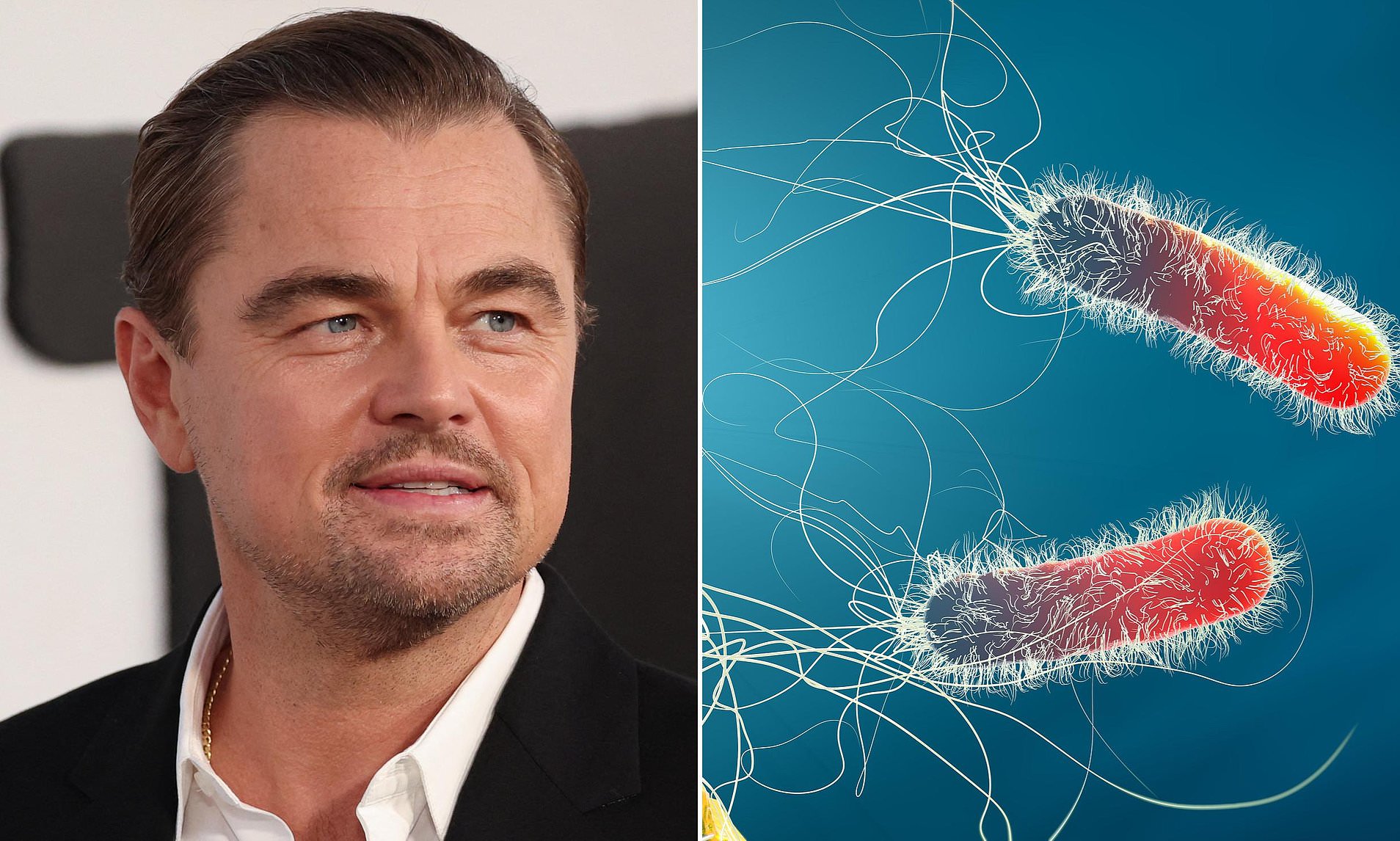
Leonardo DiCaprio, the renowned Hollywood actor, recently revealed that he was recovering from pneumonia while promoting his latest film. This news has sparked a broader conversation about the severity of the condition, especially as it affects individuals in the public eye. While DiCaprio chose to focus on his work and passion for conservation during his recovery, he did mention the passing of his former co-star Diane Keaton, who died from pneumonia in October. Though the exact circumstances of her illness remain unclear, DiCaprio shared heartfelt memories of their time working together.
Pneumonia is not just a concern for celebrities. It has become a growing public health issue, particularly among the elderly. Val Kilmer, the Top Gun star, succumbed to pneumonia in April this year, and more recently, Wayne Lineker, an Ibiza bar owner, was hospitalized with the illness. These cases highlight a troubling trend: pneumonia is increasingly affecting people of all ages, but it remains most dangerous for those with weakened immune systems or pre-existing health conditions.
Historically, pneumonia was referred to as the "old man's friend" because it often affected older adults. However, modern medical research shows that it can be just as deadly for younger individuals, especially when combined with other illnesses like the flu. Experts have warned that the current wave of influenza, sometimes called "mutant flu," is making people more susceptible to pneumonia.
Understanding the Causes and Risks of Pneumonia
Pneumonia is a type of chest infection that affects the tiny air sacs in the lungs, leading to difficulty breathing and, in severe cases, life-threatening complications. According to data from the Office for National Statistics (ONS), there were over 23,000 deaths in England and Wales in 2024 where both influenza and pneumonia were listed as the underlying causes.
Professor Paul Hunter from Norwich Medical School explained that one of the main reasons pneumonia is so dangerous is its connection to the flu. He noted that the flu virus damages the lining of the upper respiratory tract, which weakens the body’s natural defenses against bacteria. This makes it easier for pneumonia to develop, especially in vulnerable populations.
Dr. Simon Clarke, an associate professor at the University of Reading, added that aging populations and lifestyle factors contribute significantly to the risk of pneumonia. Older adults often have weaker immune systems and are less active, which increases their susceptibility. Additionally, people who are ventilated for long periods, such as during surgery, are also at higher risk.
The Many Faces of Pneumonia
Pneumonia is not a single disease but a broad term used to describe a range of symptoms caused by infections in the lungs. It can result from bacterial, viral, or fungal infections, and even from inhaling foreign substances like vomit. For example, people with HIV or compromised immune systems are more likely to contract Pneumocystis pneumonia, a fungal form of the illness.
Another misconception is that pneumonia always leads to death. In reality, many people recover fully, especially if they receive timely treatment. Dr. Clarke emphasized that the severity of pneumonia depends on the cause of the infection and the individual's overall health. Some cases may require hospitalization, while others can be managed with rest and medication.
One of the most serious complications of pneumonia is sepsis, a life-threatening condition where the blood becomes infected and toxic. Sepsis can lead to multiple organ failure and is responsible for a significant number of pneumonia-related deaths. However, not everyone who contracts pneumonia will develop sepsis, and early intervention can prevent the worst outcomes.
Preventing Pneumonia and Protecting Vulnerable Populations
While some risk factors, such as age, cannot be changed, others can be addressed through lifestyle modifications. Smoking, obesity, and lack of physical activity all increase the likelihood of developing pneumonia. Making healthy choices, such as quitting smoking, maintaining a balanced diet, and staying physically active, can help reduce the risk.
Vaccinations are also a critical tool in preventing pneumonia. The pneumococcal vaccine and annual flu shots can provide protection against common strains of the disease. For individuals with chronic health conditions, these preventive measures are especially important.
Despite the dangers associated with pneumonia, it is essential to understand that it is not always fatal. With proper care and treatment, many people can recover and return to normal life. However, the rising number of cases, particularly among the elderly, underscores the need for continued awareness and research into this complex condition.
As the world continues to face new health challenges, including emerging viruses and changing population demographics, the fight against pneumonia remains a critical public health priority. By understanding the risks, recognizing the symptoms, and taking preventive measures, individuals can better protect themselves and their loved ones from this potentially deadly illness.
Post a Comment