Benue Cassava Farmers Face Sudden Market Crisis
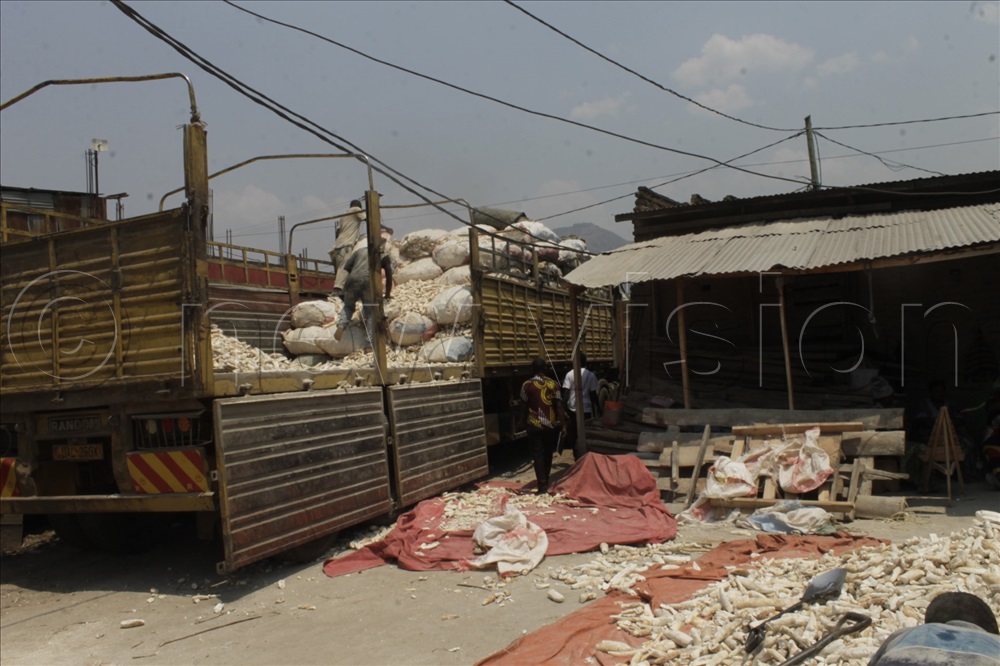
The Crisis of Cassava Farmers in Benue State
Cassava farmers in Benue State are currently experiencing a severe economic crisis, as market prices for their primary crop have plummeted to unprecedented levels. This sharp decline has left many farmers struggling to recover from their investments, with some even considering abandoning the industry altogether.
One farmer, Maryann Anyebe, expressed her frustration over the situation. She had planted cassava with the hope of improving her financial situation, but the sudden drop in prices has made it impossible for her to achieve her goals. “We planted hope but harvested loss,” she said, emphasizing the emotional and financial toll of the crisis. Anyebe also mentioned that her dream of sending her son to higher education is now on hold due to the minimal returns from her harvest.
The impact of the price crash has been felt across the state, particularly in the 23 local government areas. Farmers like Anyebe have seen their earnings drastically reduced, making it difficult to cover basic expenses. Oche Yakubu, another farmer from the Benue South senatorial district, described the situation as devastating. He highlighted the high costs of farming inputs, labor, and transportation, which have not decreased despite the drop in cassava prices.
Yakubu pointed out that the price of a Keke-load of freshly harvested cassava has fallen to as low as N30,000. This drastic reduction has left many farmers questioning how they can make ends meet. He also noted that the value chain for cassava products, such as garri, has suffered significantly. In his village, a basin of garri now sells for only N2,000, compared to N32,000 or N40,000 last year.
Favour Elijah, who cultivates cassava on a large scale, expressed concern over the government’s approach to regulating food prices. He argued that while efforts have been made to lower the cost of foodstuffs, other essential items related to food production have not seen similar reductions. This imbalance has placed additional pressure on farmers, who are now facing high input costs without corresponding increases in revenue.
Omakwu Madaki, a commercial farmer from Umogidi village, shared a different challenge: insecurity in his region has prevented him from cultivating cassava this year. He explained that the lack of safety has led to the abandonment of his 600-hectare farm, resulting in significant losses. Attackers have destroyed previous harvests, leaving the land unproductive.
Terkimbi Ordue, who cultivated cassava in Mbayar, described the emotional pain of selling his produce at a fraction of its value. He mentioned that farmers bringing cassava to an ethanol-producing company along Gboko road have reported receiving less than N1.2 million for a trailer-load, a significant drop from previous years.
Local processors, such as Eba Adikwu, have also acknowledged the impact of the price drop. She attributed the decline in raw cassava prices to the reduced demand for processed products like garri. Adikwu noted that garri is now sold at a much lower price, and buyers from other regions have stopped purchasing in large quantities. Additionally, the shift in consumer preferences toward rice and other grains has further exacerbated the problem.
Comrade Aondongu Saaku, the national vice president of the All Farmers Association of Nigeria (AFAN), criticized the federal government for not addressing the challenges faced by farmers. He called for subsidies on agricultural inputs to help reduce production costs and prevent further losses.
As the situation continues to unfold, cassava farmers in Benue State find themselves at a crossroads. Many are unsure whether to continue farming or seek alternative livelihoods. However, they remain hopeful that the government will implement policies that support food production and protect their interests.
Post a Comment