What to Do After Receiving a Loved One's Ashes
Understanding What You Receive
Cremation is a process that transforms the body into fragments of bone, which are then ground into a fine, grayish powder. These remains, often referred to as ashes, have a texture similar to soft sand. The entire process typically takes between two to three hours and involves extremely high temperatures. Most funeral homes return the ashes within one to two weeks, depending on their schedule and local regulations.
Adults usually produce between two and four kilograms of ashes, with the exact amount varying based on factors like height, weight, and bone density. When you receive them, they are typically sealed in a temporary container unless you have purchased an urn. You will also receive a cremation certificate that confirms your loved one's identity and the date of the procedure. It’s important to take a moment to double-check the label and paperwork before leaving, as mistakes are rare but reassuring to verify.
For some, this moment can be grounding, while for others, it can feel unbearable. The ashes represent the last tangible piece of someone who was alive just days before. Taking time to breathe, sit down, or even speak with the funeral director before leaving can help manage the wave of emotions that may arise.
Legal and Practical Details
Once you’re home, you may start wondering what you're legally allowed to do with the ashes. Rules vary by location, so it’s wise to research the specific regulations in your area. In most countries, the person who authorized the cremation becomes the legal custodian of the remains. This means you can keep them, bury them, or scatter them, though there are still rules about where scattering is permitted.
Scattering ashes in public places often requires permission from a municipality or park authority. If you own private land, you can scatter them there, but if not, always get written consent from the property owner. Some families choose to scatter ashes in the ocean or a river, which is allowed in many places, but it’s important to check environmental guidelines first.
If you need to travel with the ashes, there are additional considerations. Airlines require that the ashes be packed in a non-metal container that can pass through airport scanners. Always carry the cremation certificate and death certificate with you, as customs officials may ask to see them.
If you prefer a permanent resting place, cemeteries and columbaria offer various options. Some have walls with small niches where urns can be stored, while others allow ashes to be buried in family plots or memorial gardens. Planning ahead helps reduce stress later, as even small details like urn size, engraving, or paperwork can feel overwhelming during grief.
The Emotional Weight of Receiving Ashes
The first time you hold your loved one’s ashes, you may experience a range of unexpected emotions. Some people feel calm, as if a circle has closed, while others find the experience shocking, heavy, or confusing. The size and simplicity of the container can make it hard to grasp that a whole life has been reduced to something so small.
There is no right way to react. Grief is personal and unpredictable. You might talk to the urn, cry, laugh, or sit in silence. Some people place it beside them at night for a while, while others can’t look at it at all. All of these reactions are normal, and everyone processes grief differently.
It helps to remember that you don’t have to decide anything immediately. You can keep the ashes in their temporary box while you process what feels right. Many families do this for months, even years. Grieving is not about speed; it’s about finding a path that feels bearable one step at a time.
Faith and Spiritual Views on Keeping Ashes
What to do with ashes often depends on personal or religious beliefs. For some, the ashes hold spiritual energy, while for others, they are simply a symbol. Understanding how different perspectives view this can help you decide what fits your values.
In Christianity, the body is considered sacred. While burial was traditionally seen as the proper way to honor this sacredness, cremation has become widely accepted. The Catholic Church allows cremation but recommends placing ashes in a consecrated space, such as a cemetery or columbarium. Other Christian traditions are more flexible, with many Protestant families choosing to keep ashes in their homes for a while before burial or scattering.
In Spiritism, death is seen as a transition from the physical world to a spiritual one. Followers believe that emotional ties from the living can influence the peace of the spirit. That’s why many Spiritists encourage placing ashes in nature or a designated resting place, as it is an act of release for both the living and the departed.
Modern spiritual views often mix personal beliefs from different traditions. Some see ashes as a bridge between physical and spiritual existence, with fire symbolizing rebirth. Scattering ashes in nature represents a return to the elements, while keeping a small portion in jewelry or keepsakes offers a way to stay connected.
Should You Keep the Ashes at Home?
Keeping ashes at home is a personal choice, not a moral one. Some find comfort in having their loved one nearby, while others find it difficult. If you keep the ashes, choose a peaceful spot, such as a small table or shelf with a candle or flowers. Avoid placing them somewhere you pass constantly, like beside your bed or on the dining table.
If you later decide to move or scatter them, that’s perfectly fine. Grief changes over time, and what feels comforting now might feel different in the future.
Scattering or Burying the Ashes
When you feel ready to let go, scattering or burying the ashes can be a healing experience. It marks a shift from holding on to allowing peace. Scattering can take many forms, such as standing on a mountain and letting the wind carry the ashes away, pouring them into the ocean, or digging a small trench in a garden.
If you plan to scatter them in a public place, make sure to get the necessary permissions. Parks, beaches, and lakes often have simple forms or designated areas for this. When scattering at sea, watch the wind direction carefully and check local laws.
Burying the ashes offers permanence. Cemeteries allow for urn burials, and columbaria have niches where families can visit. Biodegradable urns dissolve into the earth, returning your loved one to the soil. Planting a memorial tree or plant over the spot is a touching way to honor their memory.
Dividing or Sharing the Ashes
Sometimes, families decide to share the ashes among relatives. This can be comforting if several people want a tangible connection. However, it should be done with care. Some traditions discourage splitting ashes, believing it divides spiritual energy, while others see it as a way to spread love.
If you choose to divide them, use clean, labeled containers and treat each portion respectfully. Many people keep a small amount in jewelry, glass art, or keepsake urns, allowing everyone to hold a piece of the memory without carrying the full emotional weight of the main urn.
Before dividing, make sure everyone agrees. Family disputes over ashes can cause long-term tension. Having an open conversation about feelings and expectations helps avoid hurt later.
Caring for the Urn
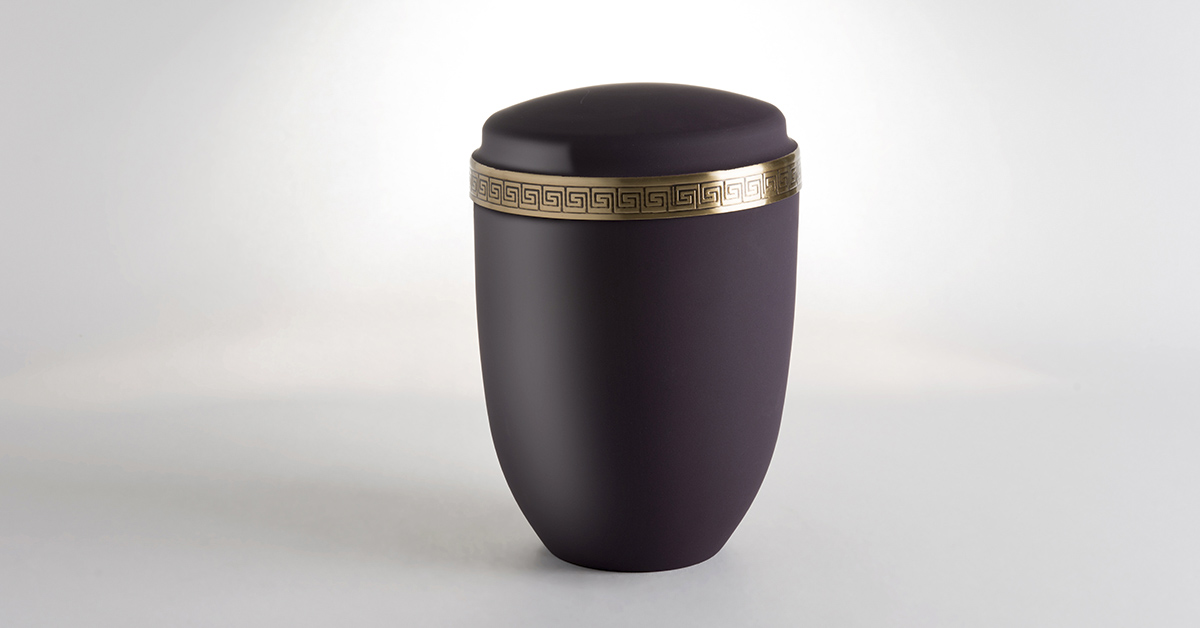
Urns come in different materials such as wood, ceramic, metal, and stone. Each needs different care. Metal urns are durable but may tarnish, so clean them gently with a soft cloth. Wooden urns should stay dry and away from direct sunlight. Ceramic urns are delicate and should be handled carefully, especially when moving.
Keep the urn in a cool, dry space. If it came with a temporary plastic bag, consider transferring the ashes into a sealed, permanent container. Some funeral homes will help with this. Label it clearly, especially if you plan to keep it for many years.
If you live in a humid climate, adding a small packet of silica gel inside the urn can help prevent moisture damage. Simple maintenance ensures your loved one’s remains are protected and treated with dignity.
Coping With Grief
Grief changes shape, but it never disappears entirely. When you receive ashes, it often feels like saying goodbye all over again. It can trigger sadness, anger, or even numbness. Don’t judge yourself for how you feel. Some days, you might want to talk about your loved one nonstop. Other days, you might want silence. Both are okay.
Creating small rituals can help. Light a candle on special dates. Write letters to your loved one and keep them near the urn. Share stories with others who loved them too. These acts turn pain into remembrance.
If you’re struggling, reach out for help. Grief counselors, support groups, or close friends and family can make a big difference. Talking often brings relief, even if it doesn’t solve the ache.
New Memorial Ideas
Eco-friendly and symbolic memorials are becoming more popular, especially for those who care about the environment. Some families mix ashes with soil to grow a tree. Others use special reef programs that turn ashes into coral structures to support marine life.
Creative options can make the process of letting go feel lighter. Some artists can mix ashes into paint or glass, creating artwork that keeps a sense of connection alive. Another option is to have the ashes made into a piece of jewelry or even a diamond. These modern forms of remembrance remind us that love can transform, just like matter itself.
If you choose a symbolic option, think about what best reflects your loved one’s spirit. Someone who loved the ocean might rest peacefully among coral reefs, while someone who adored gardening might live on in a blooming tree.
If You're Not Ready Yet
Not knowing what to do is normal. Many people keep ashes for months or years before deciding. Time helps bring clarity. You might plan a ceremony on a special date or simply keep them safely stored until you feel ready. Just make sure others know your wishes in case something happens to you. Write it down, even briefly. It avoids confusion later.
Final Thoughts
Ashes are not just remains. They’re symbols of transformation, memory, and connection. What you do with them should come from love, not pressure or guilt. Whether you keep them, scatter them, or bury them, the act is about meaning, not material. The love you shared still exists beyond any container. It lives in your memories, your habits, and the way you still speak their name.
Death changes love’s form, but it doesn’t erase it. The ashes simply remind us that even after loss, love remains a quiet, steady presence.
Post a Comment